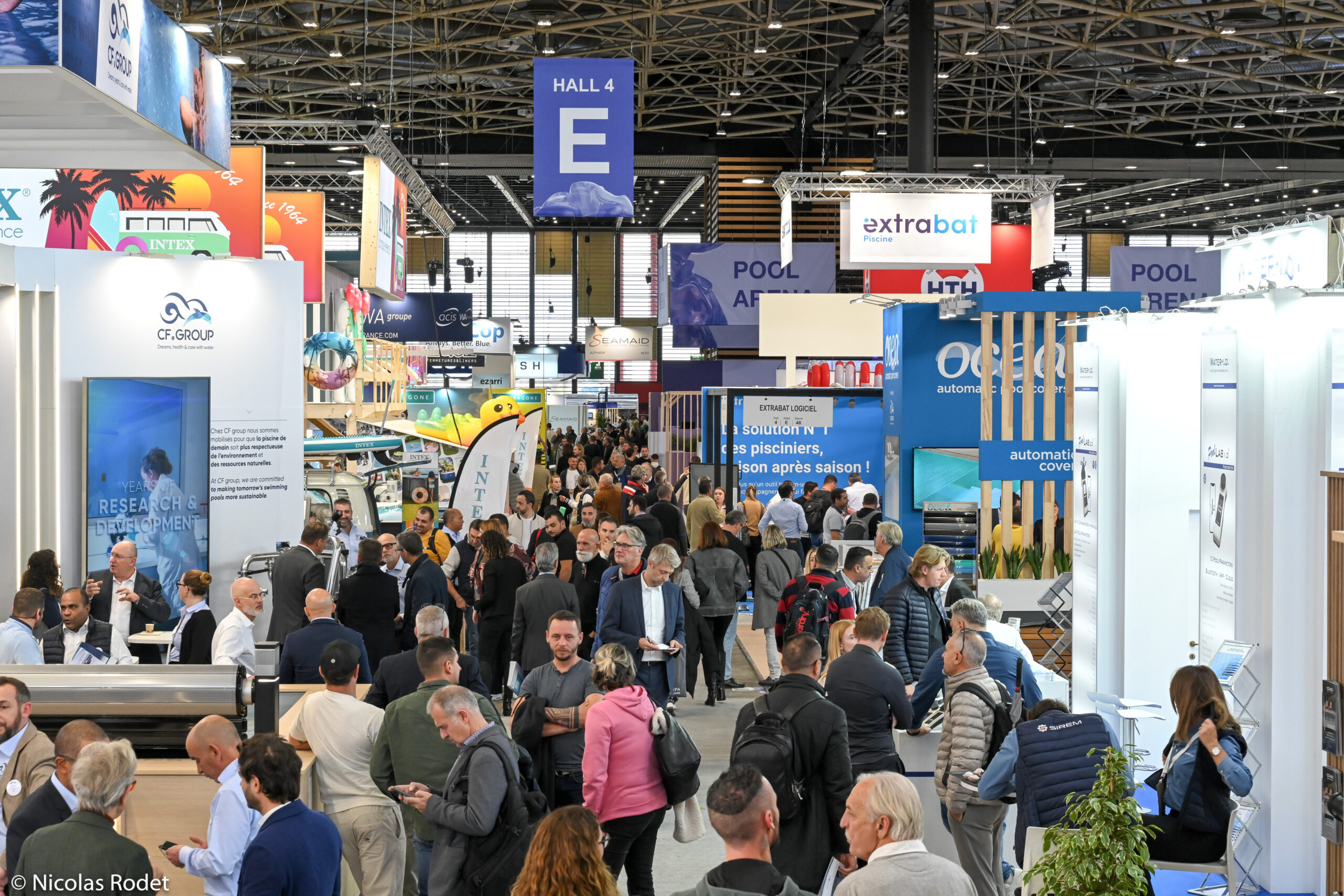
Who gets a say when a public pool is refurbished? Who cleans the robot after it has cleaned the pool? And where does the rain go when it lands on a pool enclosure? Three questions from Piscine Global in Lyon this week put the day-to-day work of running a pool in focus.
Give operators a say in the refurbishment
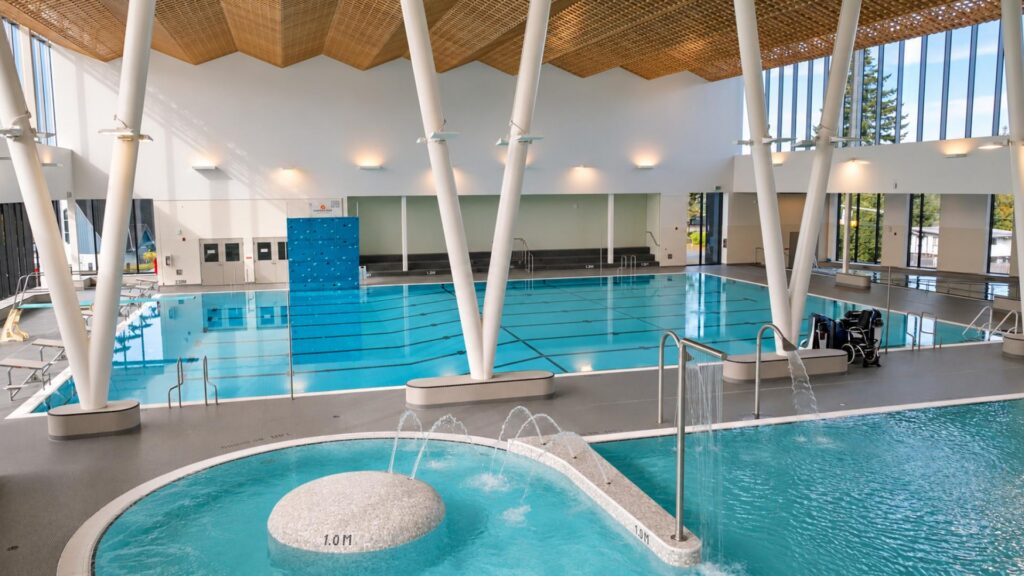
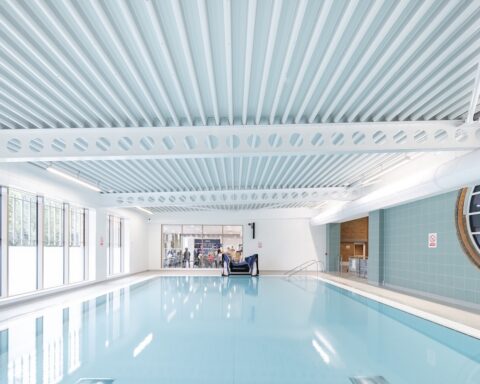
At Thursday’s Aqualie session, facility directors, architects and elected officials compared experiences of pool renovation projects. One issue was how well the people drawing up the plans talk to the teams who will eventually run the building. An earlier session on public pools gave that discussion a practical context. Water testing, inspection records and the ability to monitor several installations from one place were all on the agenda.
For anyone preparing a refurbishment brief, there is a useful place to start. Ask the operator to walk the design team through a normal shift. Where are samples taken? Where are the results recorded? Which readings can staff check from the control room, and which require a walk to the plant room? The answers give designers something concrete to work with before they specify equipment.
The next job for a pool robot is cleaning up after itself
A robot may finish its cleaning cycle while its owner still has two jobs left: lifting it out and rinsing the filter. Equipment shortlisted in Lyon tackles those tasks in different ways. One cleaner is designed to climb out of the pool and return to its dock. Another still needs someone to place it in the station, but the station then empties and rinses the filter before charging the unit.
That gives dealers a useful way to demonstrate the difference between models. Show the customer what happens during the five minutes after a cleaning cycle. For an owner who finds lifting difficult, getting the unit out of the water may matter more than an automatic rinse. Someone who regularly has to clear a dirty filter may well choose the other way round.
A second job for the enclosure roof
Rain falling on a closed pool enclosure usually runs off the roof. One design presented in Lyon puts that surface to work. Built-in flaps collect the runoff and direct it through a washable filter into the pool, where it can replace some of the water needed for topping up.
For a pool builder, the idea changes the enclosure conversation. Alongside dimensions, opening direction and access, there is now a reason to look at where rainwater goes on the site. The value to the owner depends on a simple question: how much rain falls when the pool actually needs topping up?
CEO Summary
Refurbishment. Involve operators before signing off on the design. A walkthrough of a normal shift can reveal where better access, sampling points or remote monitoring would make a difference.
Automation. When choosing pool cleaners for the product range, compare the work left to the customer after each cycle. Automatic retrieval and filter rinsing solve different problems.
Water use. Include rainwater recovery in enclosure proposals where local rainfall and seasonal top-up demand make it worthwhile.