When should a pool be winterised? Most owners answer with a month, usually October. Professionals answer with a number. According to the French pool and spa professionals’ federation, the basin goes into winter mode once the water temperature falls below 12 degrees Celsius. That single figure is worth putting at the top of every customer leaflet.
The reason is practical. One well known pool builder points out that algae can still develop if winterising starts while the water is above 12 degrees. A pool closed too early in a mild autumn can turn green under its cover, and the owner finds out in March. Professionals generally recommend waiting until the water stays durably under 12 degrees, which can mean different weeks in Lyon, Brittany or the Riviera. A few guides allow preparation to begin once the water settles below 15 degrees, but the 12 degree mark is the one most often quoted.
Active or passive, the region decides
Two methods exist, and the climate usually makes the choice. With active winterising, the pump keeps running a few hours a day. A common rule divides the water temperature by three to find the daily filtration time, so about 4 hours at 12 degrees and 3 hours at 9 degrees. Many installations also add a frost protection system that starts the pump automatically when the temperature approaches zero. The method suits mild regions, and it comes with an electricity bill all winter.
Passive winterising stops filtration altogether. It is recommended where temperatures regularly fall below zero, or for owners who prefer not to look after the pool during winter. A winter treatment product goes in, and the water level is adjusted according to the equipment and the manufacturer’s advice.
Two warnings customers still need
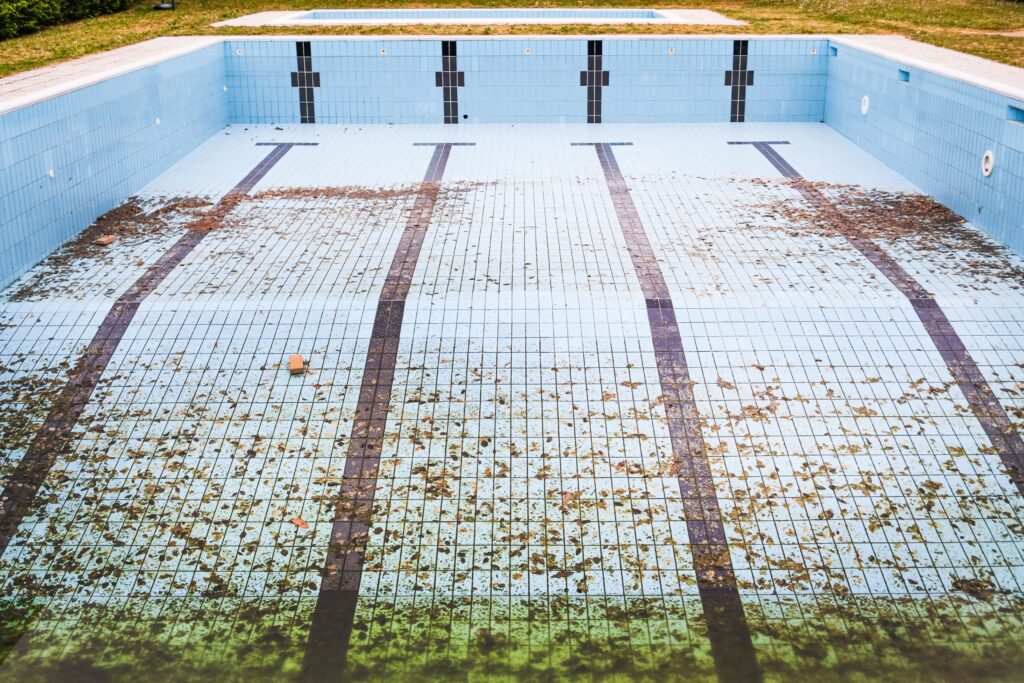
The first concerns draining. A pool should never be emptied completely, since ground pressure can damage the structure of the basin. The idea that an empty pool is a safe pool is still widespread, so it deserves a line in every conversation.
The second concerns salt electrolysers. They should not be run in water colder than 16 degrees. Owners who rely on one need to know when to switch it off, and a reminder from their installer is usually welcome.
Turning a question into a service
November is quiet for many pool businesses, and winterising happens to be the topic customers raise by themselves. A visit that combines a water check, a winter treatment and a look at the equipment is easy to explain and easy to price. A short guide sent by email, with the 12 degree rule at the top, covers the rest. It saves a few phone calls in January, and it leaves customers with the name of the company to call when spring arrives.