Inglés
 Español
 Francés
 Alemán
 Italiano
 Neerlandés

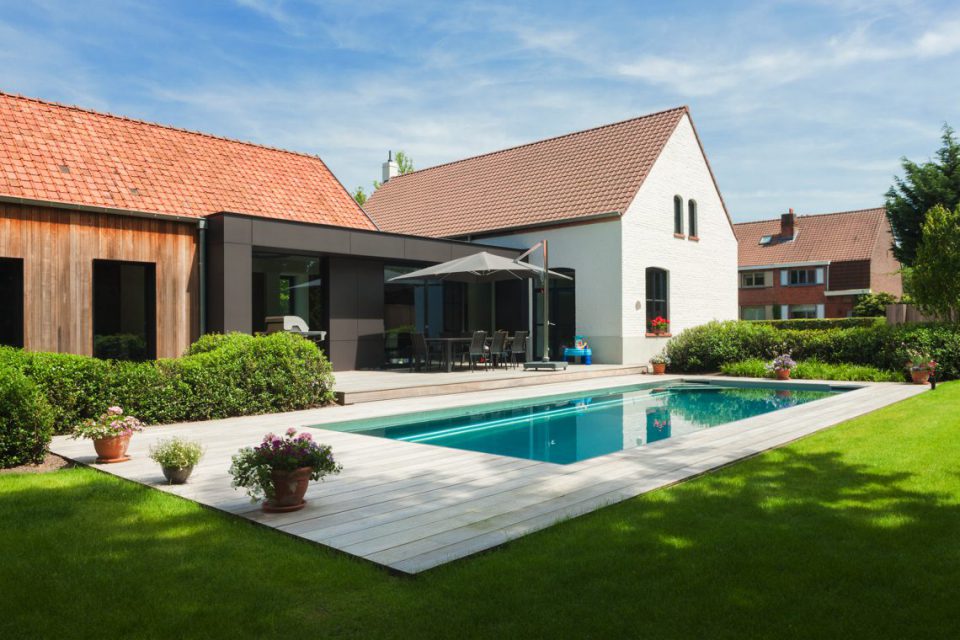
Como en muchos países de Europa, los confinamientos de 2020 y 2021 crearon auge en las ventas excepcionales. Pero hoy, el mercado de piscinas belga ha estado experimentando una desaceleración significativa desde 2024. Según la Federación Belga de Profesionales de Piscinas y Bienestar, aproximadamente 3.500 piscinas fueron construidas el año pasado, una cuarta parte menos que en el año anterior.
Las razones de esta disminución
El contexto económico europeo es desfavorable, lo que conduce a un aumento en los costos de construcción y, en consecuencia, en los precios de los materiales. La inflación global ha hecho que la inversión sea menos accesible. El costo promedio de una piscina nueva ahora oscila entre 65,000 € y 80,000 €*, en lugar de 30,000 € a 50,000 €** en 2019. Por supuesto, todos estamos también preocupados hoy por el aumento de los precios de la energía. Este aumento ha encarecido los costos de operación y calefacción de las piscinas, disipando el entusiasmo de las personas, ya que, como bien sabemos, una piscina sigue siendo, en definitiva, intensiva en energía. Pensamos en ello mucho menos, pero el clima juega un papel clave: varios veranos menos soleados también han acentuado la falta de interés en nuevas construcciones.
Con más restricciones económicas presentes y un parque de piscinas envejecido, la renovación es EL segmento principal.
Aunque estamos notando una cierta desaceleración en la construcción de nuevas piscinas, el mercado está experimentando una transformación completa y cambiando hacia nuevas prioridades: responsables, sostenibles e innovadoras. De ello hablan en cada entrevista (Cf. Entrevista a Sabrina Lebreton, Pentair): los actores de la industria de piscinas tienen solo una palabra en mente: ¡renovación! Con más restricciones económicas presentes y un parque de piscinas envejecido, la renovación es EL segmento principal. Los propietarios buscan cada vez más modernizar sus instalaciones integrando equipos más eficientes, económicos y duraderos.
Una demanda clara de los consumidores: entre sostenibilidad y eficiencia energética
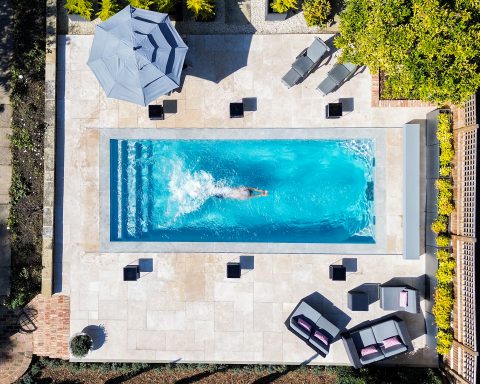
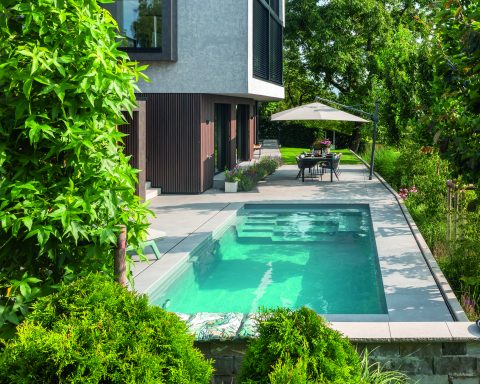
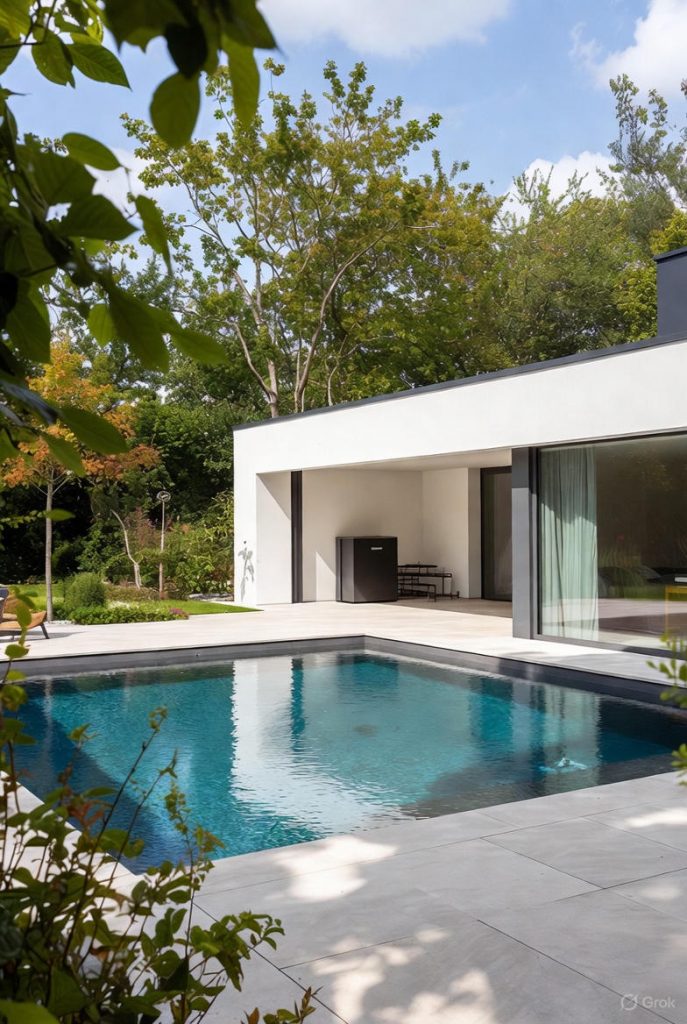
La eco-responsabilidad está en el corazón de las preocupaciones de los consumidores belgas, que ahora priorizan equipos energéticamente eficientes. Esto se traduce en el uso de bombas de calor efectivas y sistemas de aislamiento de tanques para limitar la pérdida de calor. Pero también, cubiertas y persianas automáticas de seguridad para reducir la evaporación y el consumo de energía. Otra solución más urbana es la aparición de mini piscinas. De hecho, estas piscinas más pequeñas están ganando popularidad, ideales para la ciudad: requieren menos agua y energía, y, lo más importante, se adaptan mejor a espacios restringidos. Por supuesto, también notamos una demanda creciente de soluciones con bajo cloro o sin cloro (hidrolisis, electrólisis).
Asociación de digitalización y confort
La tendencia más convincente hoy en día, con la llegada de la IA a nuestras vidas, es hacia piscinas conectadas y automatizadas. Hoy, los profesionales de la industria ya no venden solo una piscina, sino una experiencia “sin complicaciones”. Integran sistemas ultra inteligentes que gestionan todo: control de filtración, optimización de calefacción y ajuste de la calidad del agua, todo automáticamente. Claramente, el mercado se está moviendo hacia soluciones lujosas, llave en mano, que transforman el mantenimiento tedioso en una simple formalidad, para el máximo confort del usuario.
Lujo, diseño y voluptuosidad
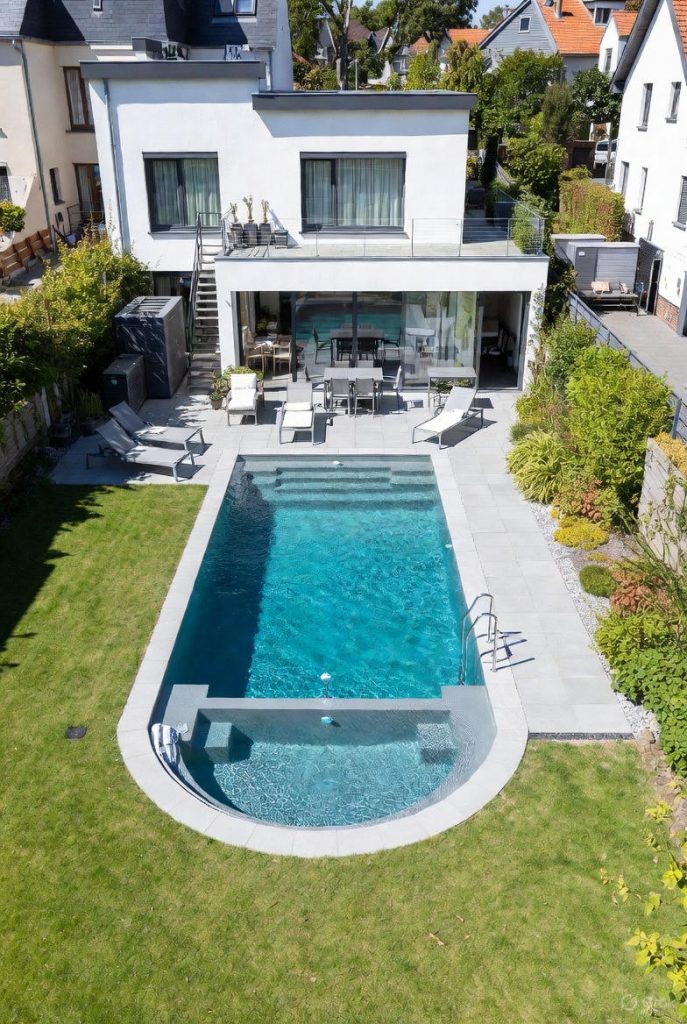
A pesar de la desaceleración del mercado, el segmento de alta gama sigue siendo un mercado dinámico. Los belgas continúan invirtiendo en proyectos arquitectónicos que combinan piscina, jardín y casa de piscina. La demanda en este nicho se centra principalmente en: piscinas de desbordamiento o espejos de agua por su efecto espectacular. Piscinas con suelo móvil, que permiten transformar el área de natación en una terraza más segura y aislante. Y lo último para deportistas y buscadores de emociones: la famosa piscina de carril que sigue creciendo en popularidad.
Así que, ¡no entres en pánico! Aunque el mercado belga se está desacelerando, está atravesando un breve período de ajuste. Ciertamente estamos construyendo menos piscinas nuevas, pero estamos consolidando valores clave para un futuro más responsable. Los profesionales de la industria siguen adaptándose, como siempre, y ofreciendo productos cada vez más innovadores, confiables y eficientes.
* Fuente: La Libre Eco fechado el 1 de abril de 2024.
** Fuente: Travaux.com