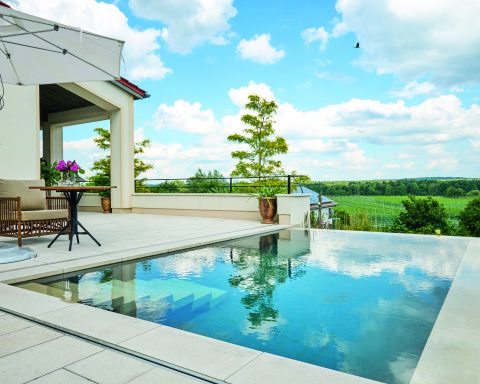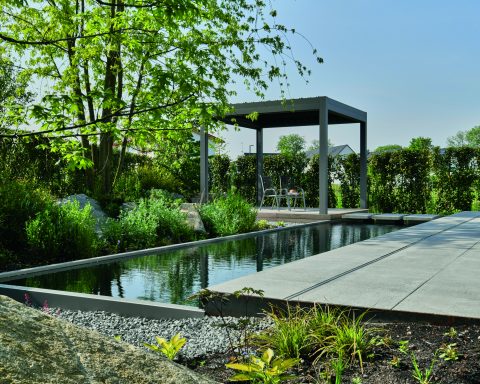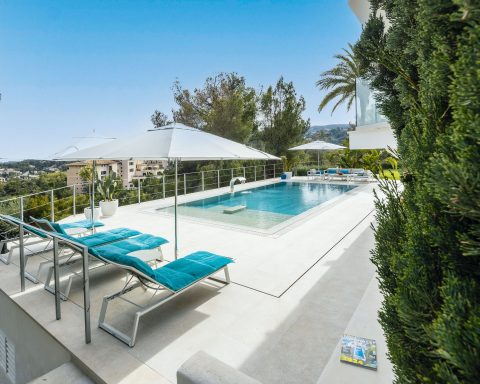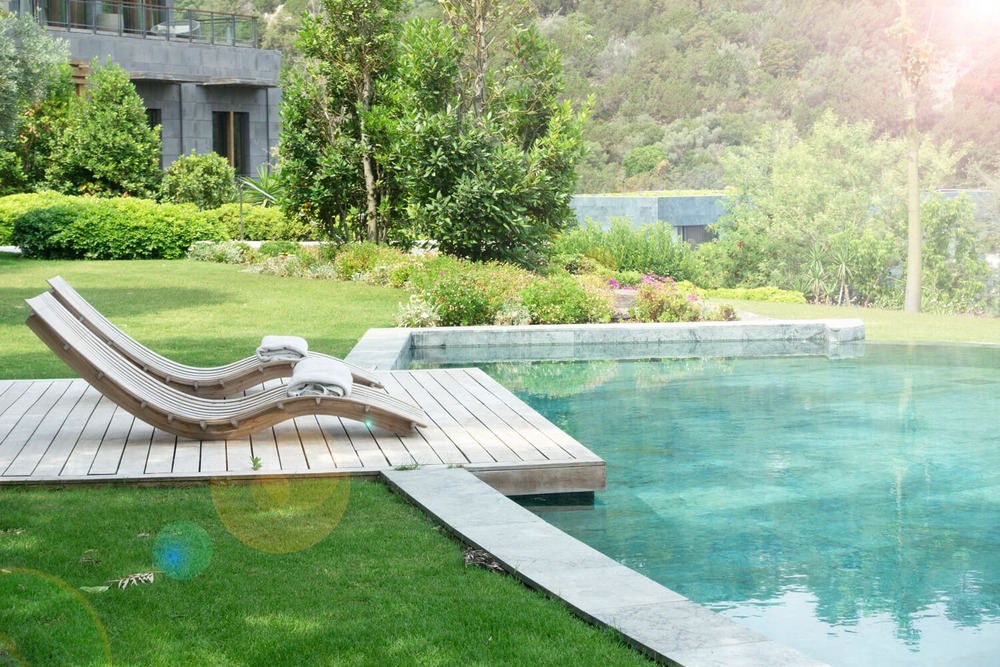
Il paesaggio delle piscine in Belgio e nei Paesi Bassi sta subendo una trasformazione senza precedenti guidata da una crescente consapevolezza ambientale. I proprietari dei giardini non sono più soddisfatti di una semplice piscina per rinfrescarsi, ma ora cercano di integrare la loro piscina in un ecosistema globale e rispettoso delle risorse. Di fronte a estati più secche e a una gestione dell'acqua sempre più regolamentata nel Benelux Due tendenze principali stanno emergendo per i professionisti del settore.
Questi includono la raccolta di acqua piovana per l'approvvigionamento della piscina e l'adozione massiccia di sistemi di disinfezione ibridi con basso contenuto di cloro. Questo approccio rende possibile conciliare il piacere di nuotare con l'etica del consumo sostenibile.
Nelle regioni in cui le piogge sono frequenti ma i periodi di siccità estiva stanno diventando critici, la raccolta dell'acqua piovana è diventata una strategia essenziale. Installare un sistema di raccolta ad alte prestazioni ora rende possibile compensare naturalmente l'evaporazione della piscina senza attingere alla rete di acqua potabile. Questo approccio è particolarmente apprezzato dai clienti belgi e olandesi che vedono questa soluzione come un modo intelligente per aggirare potenziali restrizioni di riempimento imposte durante le ondate di calore.
Per avere successo in questa integrazione, i professionisti devono installare un sistema di filtrazione a monte in grado di rimuovere impurità come foglie o polvere prima che l'acqua raggiunga il serbatoio di stoccaggio. Una volta filtrata e immagazzinata, l'acqua può essere gradualmente iniettata nella piscina tramite un sistema automatico di gestione del livello. Questo processo garantisce una base sana per il trattamento successivo e comporta risparmi significativi sulle bollette dell'acqua, preservando le acque sotterranee locali.
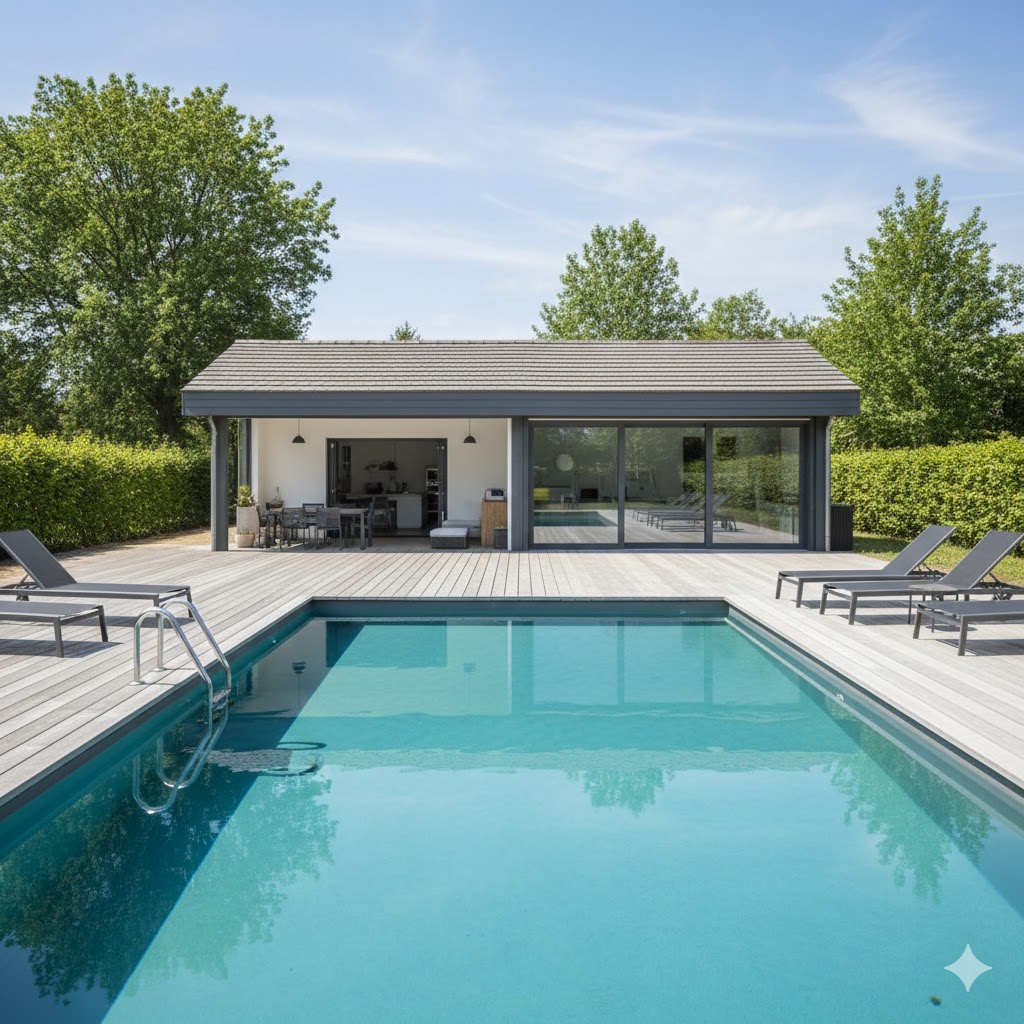
Il crescente successo delle tecnologie ibride e dell'idrolisi
Il desiderio di ridurre l'uso di prodotti chimici sta trasformando radicalmente abitudini di trattamento delle acque nel Nord Europa I trattamenti ibridi che combinano elettrolisi e idrolisi stanno guadagnando terreno perché consentono di disinfettare l'acqua con livelli di cloro quasi impercettibili.
A differenza dei sistemi tradizionali, l'idrolisi utilizza direttamente le molecole d'acqua per creare potenti ma effimeri agenti disinfettanti che non lasciano residui sgradevoli.
Questa tecnologia offre acqua estremamente morbida, ideale per persone con pelle sensibile o occhi fragili. Limitando l'odore caratteristico spesso associato alle piscine tradizionali, questi sistemi aumentano significativamente il comfort degli utenti. Offrendo queste soluzioni, i professionisti rispondono a una domanda crescente di nuoto più naturale che preservi la salute degli utenti, facilitando allo stesso tempo lo scarico dell'acqua di lavaggio dei filtri nel rispetto della biodiversità locale del giardino.
L'efficienza di una piscina ibrida o alimentata da acqua piovana dipende anche da una gestione eccellente della conservazione termica. In Belgio e nei Paesi Bassi l'isolamento delle piscine è una priorità assoluta per limitare le esigenze di riscaldamento durante le notti fresche tipiche dei nostri climi. La combinazione di coperture solari ad alte prestazioni e pompe di calore con tecnologia inverter mantiene una temperatura ideale con un'impronta di carbonio minima.
Questa visione olistica della piscina in cui ogni goccia d'acqua e ogni caloria sono preservate rappresenta il futuro del settore nei Paesi Bassi, in Belgio e in Lussemburgo. Non si tratta più solo di installare un prodotto, ma di progettare una macchina termica e idraulica ottimizzata. Questo è un punto di forza che rassicura i proprietari sulla durata del loro impianto di fronte ai futuri standard ambientali e all'evoluzione dei costi energetici.