What Is AquaMove?
AquaMove is a movable pool floor developed by T&A following the acquisition of the Belgian company Morgana Floor, a specialist in this type of technology. The system allows the depth of a swimming pool to be adjusted continuously by raising or lowering a submerged platform that can be locked at different levels depending on operational requirements.
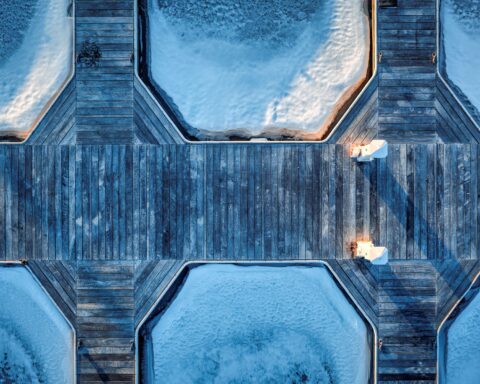
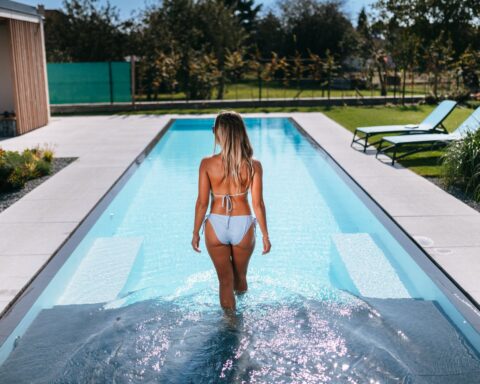
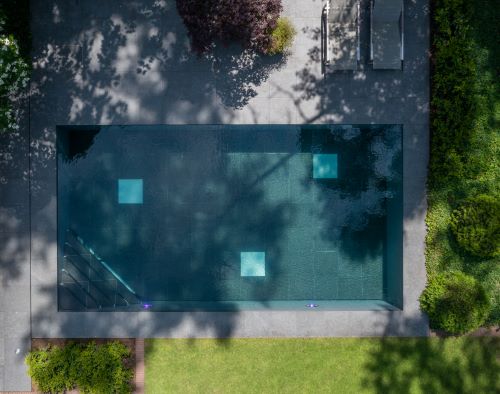
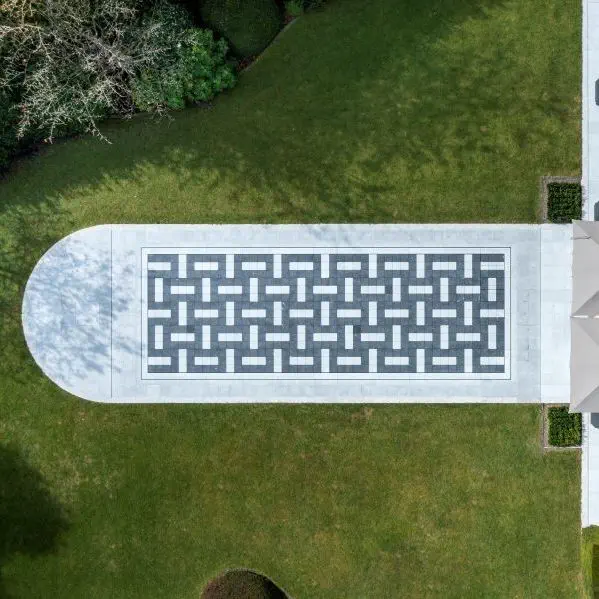
Unlike a conventional pool cover, a movable floor changes how the pool can be used. When the platform is raised to its highest position, it completely covers the pool, creating a walkable surface. At intermediate positions, it reduces the water depth, while in its lowest position, the pool regains its full depth.
These systems are increasingly used in residential pools, hotels, sports facilities, spas and wellness centres, where flexibility, energy efficiency and space optimisation are becoming key design considerations.
The Relationship Between Movable Floors and Water Treatment
Beyond adjusting pool depth, a movable floor also affects the way pool water is preserved. When the platform is closed, it limits the water’s exposure to the surrounding environment, reducing evaporation and preventing debris such as leaves, dust and insects from entering the pool.
These conditions help maintain more stable water quality by reducing fluctuations in temperature, pH and disinfectant levels. As a result, facilities may require less make-up water and fewer treatment chemicals. Reduced heat loss can also lower the energy required for heating systems, particularly in indoor pools and spas that operate throughout the year.
Thermal Insulation and Energy Efficiency
Thermal insulation was a major focus during the development of AquaMove. The platform incorporates an insulating layer with a U-value of up to 0.32 W/m²K, designed to minimise heat loss while the pool is covered.
Improved insulation can reduce the amount of energy needed to maintain water temperature, making the system particularly relevant for heated swimming pools, spas and wellness facilities where energy consumption represents a significant share of operating costs.
How the System Works
AquaMove operates by taking advantage of the natural buoyancy of water to raise and lower the platform smoothly and continuously. The design eliminates the need for drilling or fixing components to the pool walls, requiring only anchor points on the pool floor.
This approach simplifies installation across different pool designs while minimising the impact on the existing structure.
Available Models
AquaMove is available in two main versions.
Tento AquaMove Comfort model supports loads of up to 50 kg/m², allowing people to walk safely on the platform when the pool is fully closed.
Tento AquaMove Premium version includes an additional mechanical locking system, supports loads of up to 200 kg/m², and features PLC control together with remote monitoring capabilities.
Both models are suitable for skimmer and overflow pools with a surface area of up to 100 m² and are manufactured to suit the specifications of each individual project.
Applications in Swimming Pools and Spas
Movable pool floors are used in facilities where a single pool is expected to serve multiple purposes or where improving operational efficiency is a priority. In hotels, they allow the pool area to be repurposed when the pool is not in use. In spas and wellness centres, they make it possible to create different water depths for hydrotherapy treatments, relaxation areas or aquatic activities. Sports facilities can also benefit from adjustable pool depths for different disciplines, training sessions or user groups.
Their ability to reduce evaporation and retain heat also makes them a practical solution for projects where energy efficiency and effective water management are key considerations.
Installation and Maintenance
Each AquaMove system is manufactured to the specifications of the individual project and can be finished with a range of surface materials to blend seamlessly with the surrounding pool area. Installation is carried out by specialised technicians, and the manufacturer also offers preventive maintenance services, including periodic technical inspections to ensure the system continues to operate safely and efficiently over time.
Závěr
Movable pool floors have evolved beyond being a simple architectural feature. Today, they represent a practical solution for adapting pools to different uses while helping improve energy efficiency and supporting better water management.
By reducing evaporation, limiting heat loss and protecting the water from external contaminants, systems such as AquaMove can contribute to more stable water quality and lower operating demands for heating and water treatment equipment. These benefits are particularly relevant for indoor pools, spas, wellness facilities and other installations where maintaining water quality and controlling energy consumption are key priorities. As the swimming pool industry continues to focus on sustainability and operational efficiency, movable floors are becoming an increasingly important option for projects that seek to optimise both the functionality of the pool and the long-term management of water and energy resources.