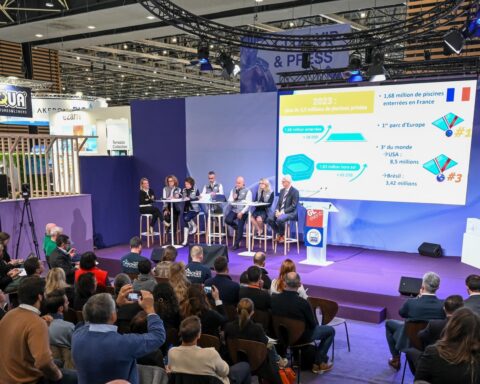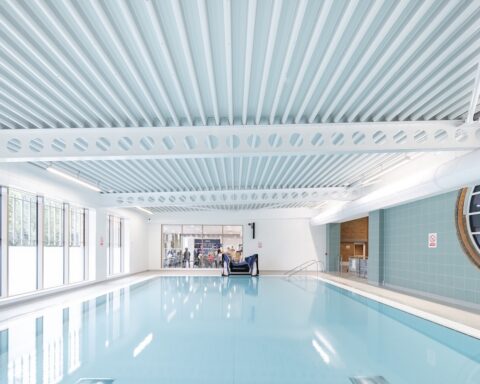
Demand is surging in early 2026, with over 3.7 million private pools in France and more than 8 million across Europe. However, industry professionals are hitting a wall, as over eight out of ten businesses can no longer find the technicians required to complete their projects.
It is a classic case of market growth turned into an operational bottleneck. On paper, every economic indicator looks promising. Phones are ringing again and order books are filling up fast, often securing nearly six months of guaranteed work ahead. Yet on job sites and in workshops, tension remains high as businesses lack the manpower to keep pace with demand.
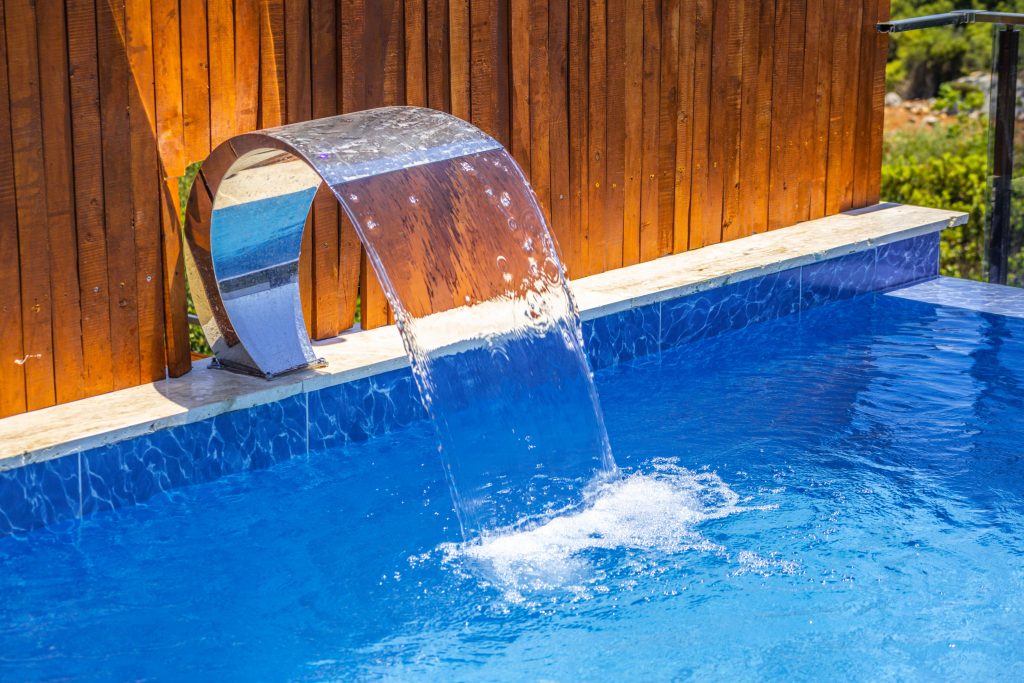
The numbers reveal a harsh reality, with over 80% of companies in the sector struggling to hire across France and Europe. In France alone, industry trade bodies estimate that around 15,000 job openings remain unfilled. This shortage is not limited to a single job role. From liner installers and water treatment specialists to smart technology technicians and showroom advisors, every link in the supply chain is affected.
Multiple factors have created this persistent pressure. The industry has long suffered from a poor image among young people who are unfamiliar with its career potential. High seasonal peaks also deter candidates seeking steady year-round employment. On top of that, the job itself has transformed dramatically. Modern installations now rely on connected pumps, automated filtration, and home automation, requiring advanced technical expertise. The average time to recruit a qualified technician now exceeds five months, making it remarkably difficult to find workers who are ready to hit the ground running.
How labor shortages hold back business growth
On a day-to-day level, this shortage creates serious operational hurdles for business owners. In France, nearly two-thirds of small and medium-sized pool enterprises report being forced to reject lucrative contracts or delay installations by several weeks due to a lack of staff.
Contractors often point out that after spending periods waiting for market demand to return, being forced to reject work due to a shortage of hands is deeply frustrating. Across the European Union, where technical installation and construction trades are experiencing elevated job vacancy rates, success is no longer measured by sales figures, but by the physical capacity to deliver the work.
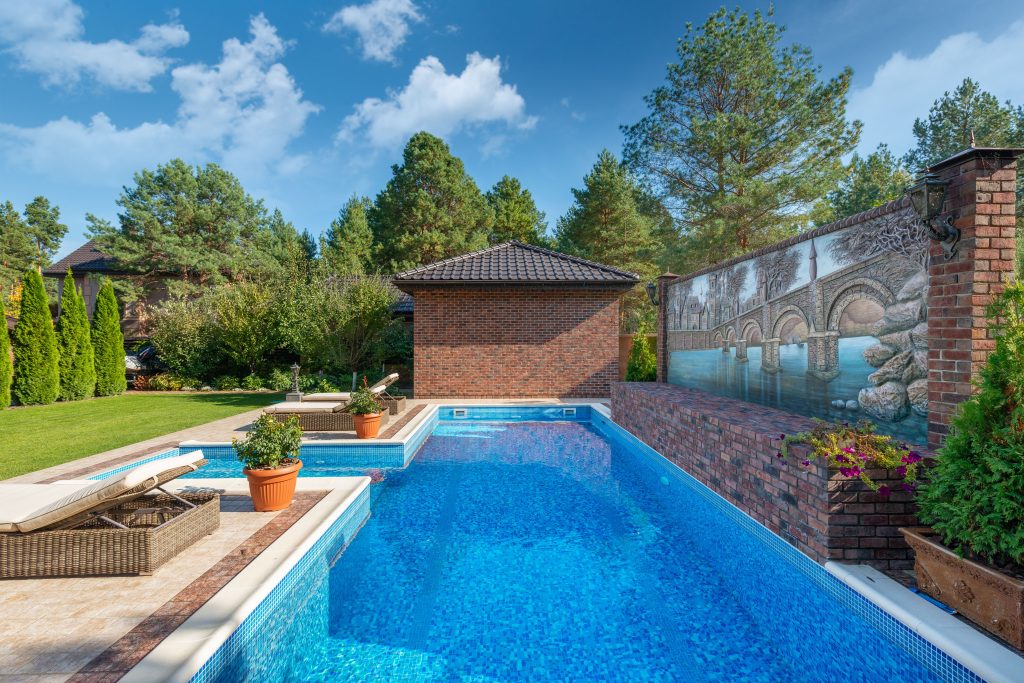
Retention, training, and competitive compensation
To overcome this obstacle, the industry is trying to bridge a significant gap in vocational training. While the French market alone requires approximately 2,500 new technicians annually, specialized training centers currently graduate only around 800 students per year, despite an immediate employment rate exceeding 90% for graduates.
To cope with this structural deficit, business owners are focusing heavily on keeping the staff they already have. To prevent skilled workers from leaving for competitors, employers are expanding continuous training programs, particularly around sustainable technologies and water management. They are also adjusting pay scales and improving day-to-day working conditions. At the same time, regional apprenticeship competitions highlight the technical skill involved in modern pool technology to attract younger applicants.
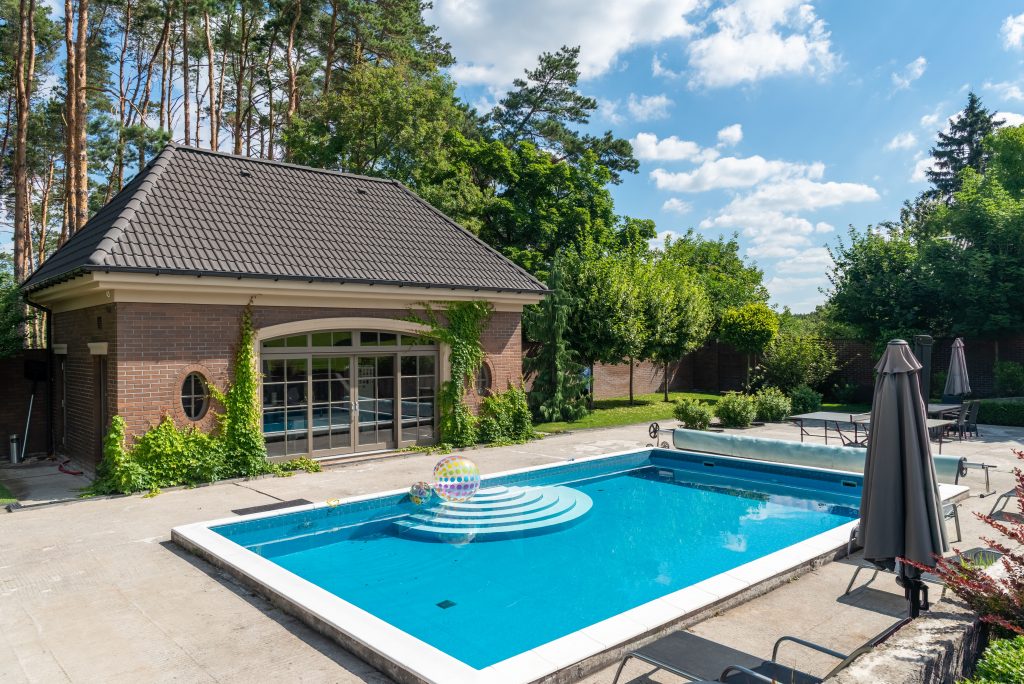
A joint European effort needed for long term growth
Individual company perks will not solve what has become a continent-wide challenge. As the European pool and outdoor wellness market continues to expand driven by home improvement demand, trade associations, vocational schools, and local businesses need to align their efforts. Without a unified strategy to promote these careers and train a qualified workforce, the industry risks missing out on the economic momentum of 2026.
Sources
- France Travail (ex-Pôle Emploi) & Observatoire des Métiers du Bâtiment : Labor Needs Surveys (LNS), labor shortages in technical trades in the construction and development sectors, and average hiring times (4 to 6 months).
- CAPEB (Confédération de l’Artisanat et des Petites Entreprises du Bâtiment)
- Eurostat