The Valencian Community is Spain’s second-largest swimming pool market, driven by its Mediterranean climate, thriving tourism industry and strong residential sector. With more than 250,000 pools across the region, the industry is evolving to meet changing expectations around design, technology, water quality and sustainability.
As the sector continues to grow, efficient water treatment and smarter pool management are becoming increasingly important.
A market with more than 250,000 pools
The Valencian Community has 254,792 swimming pools, accounting for 18.7% of Spain’s total of 1.36 million. With a population of 5.53 million, this represents 46 pools per 1,000 inhabitants, well above the national average of 27.
The distribution varies considerably across the region. Alicante has the largest share, with 132,227 pools, followed by Valencia with 102,720 and Castellón with 19,845.
The market is predominantly residential: private pools account for 89% of all installations, or 227,761 in total. The remaining 11% comprises commercial and public-use facilities. Alicante stands out in particular, with 113,714 residential pools. Along its coastline, just 13 municipalities are home to 51,633 private pools, representing 39% of the province’s total.
This extensive pool network has also encouraged the development of a specialised industry. The region is home to 343 businesses involved in pool construction, equipment and maintenance.
Tourism and hospitality drive demand
Tourism is one of the main forces shaping the regional pool market. In 2024, the Valencian Community welcomed 10.6 million international visitors and had more than 65,000 registered tourist accommodation properties. Its Mediterranean climate, with over 3,700 hours of sunshine a year, further strengthens demand for swimming pools and aquatic leisure facilities.
The hotel sector is another important part of this picture. The region has 1,076 hotels, and swimming pools are particularly common in Alicante: 54.4% of the three- to five-star hotels analysed have one. The figures stand at 36% in Castellón and 27.2% in Valencia.
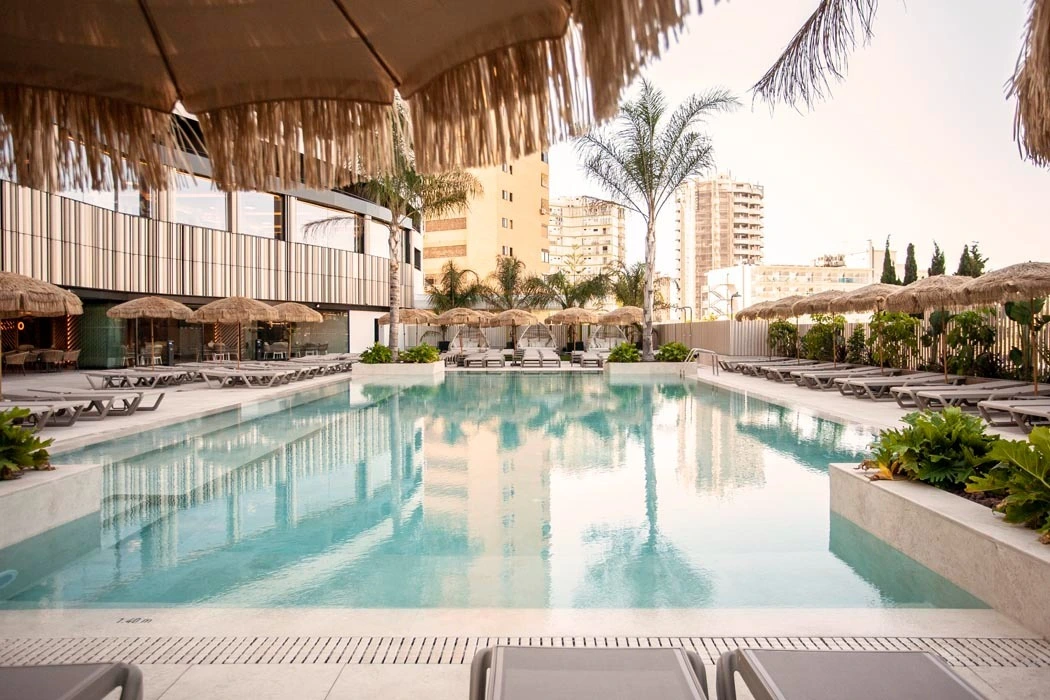
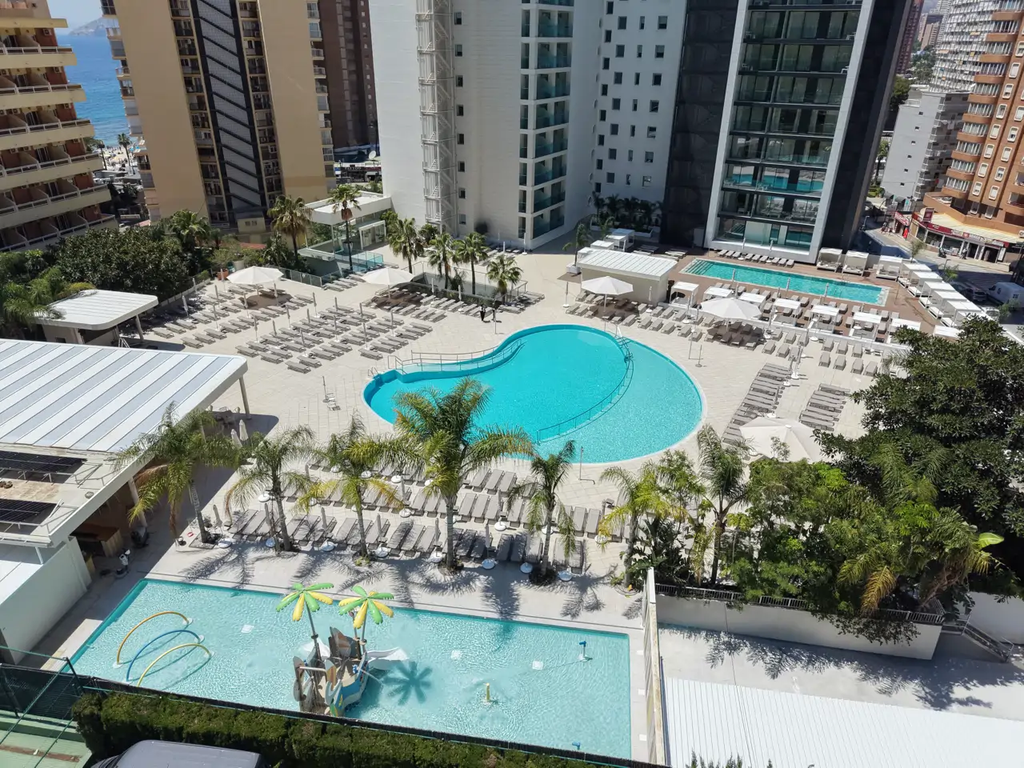
Beyond hotels, water parks, campsites and municipal swimming pools all contribute to the region’s aquatic leisure offering. In destinations such as Benidorm, these facilities help diversify the tourism experience, attract international visitors and extend the holiday season.
Technology is changing pool maintenance
The pool industry is becoming increasingly sophisticated. Electronics, automation, heat pumps, smart control systems and advanced water treatment technologies are playing a growing role in both new installations and existing facilities.
These developments are changing how pools are managed and maintained. Automated systems can help monitor operating conditions, while modern treatment solutions make it easier to maintain consistent water quality and optimise resource use.
They are also creating opportunities to renovate older pools and replace outdated equipment with more efficient alternatives. For pool owners and operators, investing in modern technology can mean more reliable operation and better control over maintenance.
Public pools: another key part of the market
Residential pools may dominate the Valencian market, but public facilities also represent a significant part of the sector.
The region has 629 municipal swimming pool basins, equivalent to 10.5% of Spain’s total. Valencia leads with 359, followed by Alicante with 155 and Castellón with 115.
These facilities serve large numbers of users and therefore require reliable water treatment, regular monitoring and well-planned maintenance. Keeping water quality under control is essential not only for the swimming experience but also for the safe operation of shared facilities.
Water as an element of design and wellbeing
The role of swimming pools goes beyond leisure and functionality. Water is increasingly being considered an integral part of architectural design, with pools conceived as extensions of the home and their surrounding landscape.
Architect Ramón Esteve describes water as another material in architecture, to be incorporated into a project alongside elements such as stone, timber, light and shade.
In Mediterranean architecture, water has traditionally been used to cool spaces, reflect light and create a sense of calm. From this perspective, a swimming pool becomes a place for relaxation, social interaction and connection with the outdoors.
Efficiency and responsible water use: the challenges ahead
The Valencian Community’s pool industry faces an important challenge: balancing continued growth with more responsible use of resources.
Energy efficiency, automation, smart maintenance and reduced water consumption are set to play an increasingly important role. As awareness of water scarcity grows, pool owners and operators will need solutions that help them manage resources more effectively without compromising water quality or the user experience.
This creates opportunities for advanced water treatment systems, efficient equipment and smarter pool management practices. Innovation will be essential to ensuring that the region’s pool industry remains competitive while adapting to changing environmental demands.
Looking ahead to Piscina Barcelona 2027
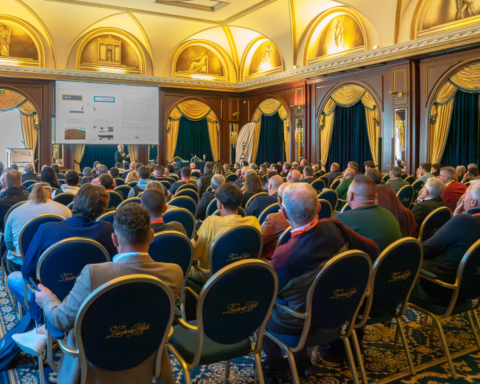
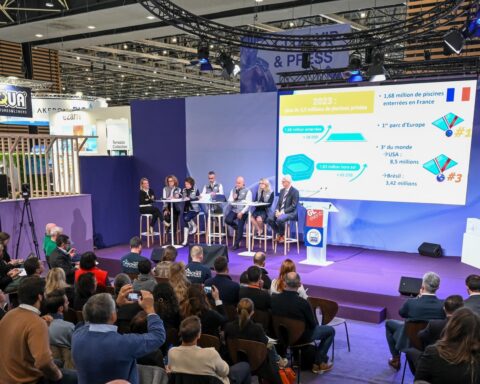
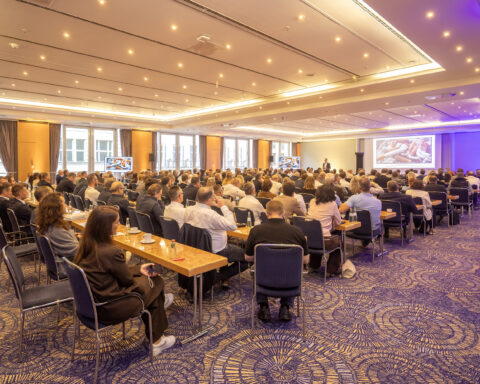
The Valencian Community’s pool market will be among the areas explored through Regional Focus, an initiative by Piscina Barcelona designed to examine the characteristics, needs and opportunities of Spain’s main regional markets.
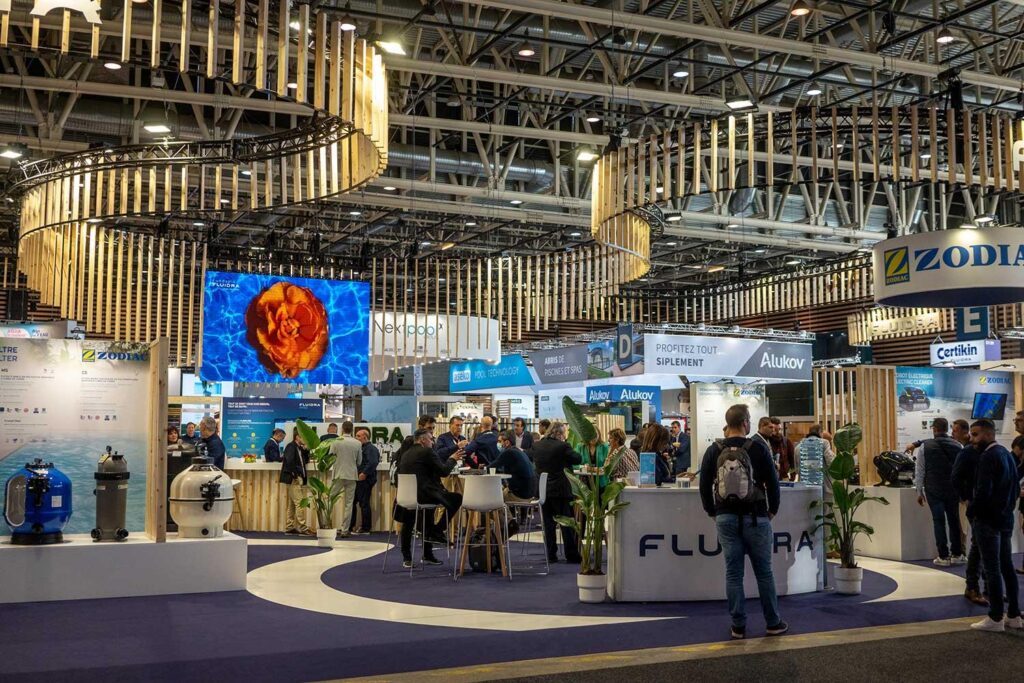
The programme brings together market research and direct input from businesses, industry associations, installers, professionals, tourism operators, public authorities and specifiers. Its findings will help shape the content of Piscina Barcelona 2027, including conferences, case studies, debates and networking sessions. Organised by Fira de Barcelona in collaboration with ASOFAP, the trade show will take place from 15 to 18 November 2027 at the Gran Via venue. It expects to welcome more than 450 exhibitors from 30 countries and over 20,000 trade visitors, showcasing the latest developments in swimming pools, wellness and outdoor living.