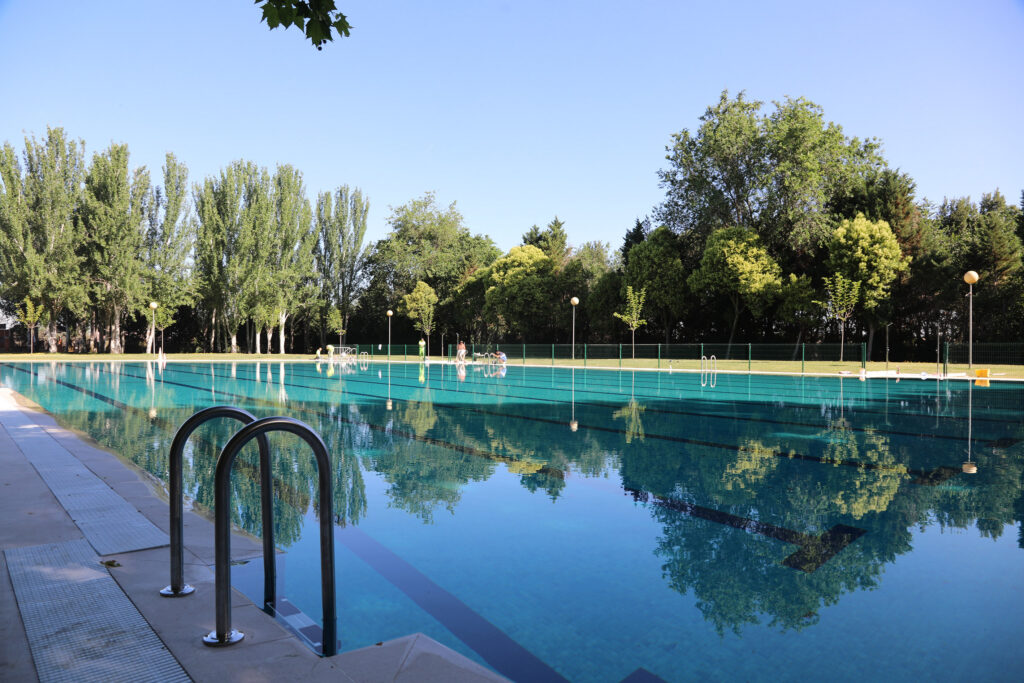
Strong market demand, rising investment in residential pools and the renovation of existing facilities are driving the Spanish swimming pool industry forward.
A Market on the Rise
Spain’s swimming pool industry has delivered an impressive performance in the first half of 2026, with turnover increasing by 7.7% year on year to exceed €1.8 billion. According to the latest Spanish Swimming Pool Industry Barometer, prepared by the Spanish Association of Swimming Pool Professionals (ASOFAP), this represents the sector’s strongest growth since the pandemic.
The figures point to an industry that continues to benefit from growing public interest in swimming pools, favourable economic conditions and weather that has supported demand. Businesses have not only increased their sales but also improved their profit margins, suggesting that the expansion has translated into healthier financial performance.
The results underline the importance of swimming pools in Spain’s leisure, residential and public infrastructure markets, while highlighting the opportunities emerging for manufacturers, installers and maintenance specialists.
What Is Fueling the Industry’s Growth?
Several factors have contributed to the sector’s strong performance. Spain’s economy grew by 2.3%, while favourable weather conditions helped stimulate activity during the first six months of the year.
Together, these conditions supported the delivery of more than 14,400 swimming pools, reflecting sustained demand across the market.
The latest results also continue a positive trend observed in recent years. The sector recorded growth of 6.23% in 2025, 3.25% in 2024, 2.64% in 2023 and 5.24% in 2022. With a 7.7% increase in the first half of 2026, the industry has surpassed these recent annual growth figures, demonstrating renewed momentum.
However, performance varies depending on the type of business. Manufacturers and wholesale distributors reported growth of 8.04%, while builders, installers, maintenance companies and retail outlets recorded an increase of 5.22%.
Despite these differences, expectations remain broadly positive across both groups.
Residential Pools Take Centre Stage
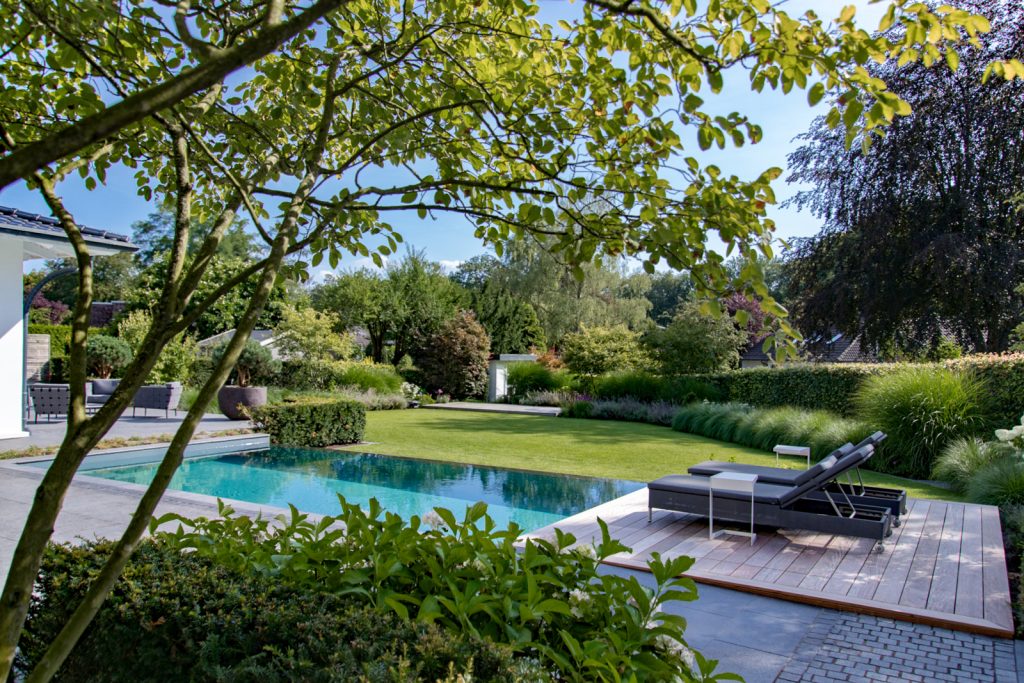
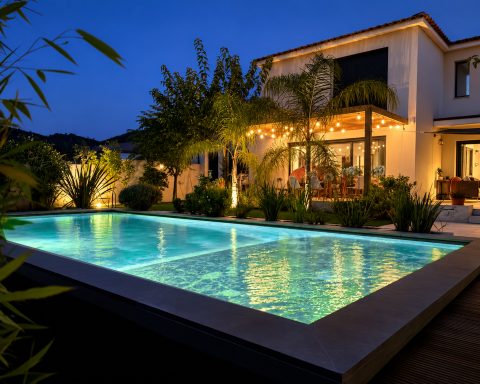
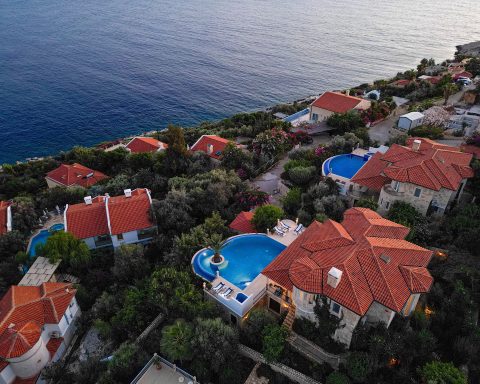
One of the most notable developments in the first half of 2026 has been the increased importance of residential swimming pool projects compared with communal and public installations.
This shift reflects the continuing appeal of private pools as homeowners invest in outdoor living spaces and ways to make the most of warmer weather. For the industry, it creates opportunities across the entire value chain, from construction and equipment supply to renovation and ongoing maintenance.
Public and communal pools, meanwhile, remain an important part of the market, although renovation has played a particularly prominent role in this segment.
Many collective-use projects have focused on upgrading existing facilities rather than building entirely new ones. These improvements help modernise infrastructure and respond to growing demand for accessible places to cool off during increasingly prolonged periods of high temperatures.
This combination of residential investment and public-facility renovation illustrates how the market is evolving to meet different needs.
Renovation and Maintenance: Essential Parts of the Picture
New construction is only one part of the swimming pool industry’s activity. Renovation and maintenance services also account for a substantial share of the market.
The Barometer points to a strong pipeline of projects involving both new pools and the refurbishment of existing installations. Across the residential and public segments, more than 14,300 newly built pools had been delivered during the first quarter, while approximately 17,000 additional pools had been renovated or refurbished. The report also records around 36,200 maintenance services during the first half of the year.
Looking ahead, the figures indicate further activity in both construction and refurbishment, alongside continued demand for regular maintenance.
Renovation is particularly significant: the report estimates that refurbishment accounts for 52.2% of the combined volume of new and renovated pool projects, compared with 47.8% for new construction.
These figures highlight the importance of maintaining and upgrading the existing pool stock. For industry professionals, this creates opportunities to improve facilities, extend equipment life and introduce more efficient technologies.
Efficiency and Sustainability Shape Purchasing Decisions
As the market expands, pool owners are increasingly interested in solutions that simplify maintenance and help control energy and water consumption.
The Barometer identifies several products that are attracting demand, including salt chlorinators, variable-speed pumps, pool covers, LED lighting, heat pumps and automatic pool-cleaning robots. High-quality materials, attractive design, connectivity and digital solutions are also expected to influence future purchasing decisions.
These technologies address practical concerns that go beyond the initial installation. Efficient pumps can help manage electricity use, covers can reduce evaporation and heat loss, and suitable automation can make day-to-day maintenance more convenient.
Nevertheless, sustainability-related features were included in 34.8% of pool projects during the period, down from 40.3% in 2025. Pool covers or enclosures remained the leading sustainability-related product category in the report, accounting for 44.6%, although their sales had declined by June. Variable-speed pumps and LED lighting also stood out as relevant efficiency solutions.
The findings suggest that interest in resource efficiency remains an important part of the market, while the adoption of individual technologies can vary over time.

Business Confidence Remains Positive, but Caution Persists
The sector’s growth has contributed to a positive outlook among swimming pool businesses. The Barometer places the business confidence index at +44.2 points, with expectations for the second half of 2026 standing at +35.6 points.
Although these figures indicate continued optimism, companies are approaching the remainder of the year with greater caution.
Geopolitical and economic uncertainty could push up raw material and manufacturing costs, while inflation may affect domestic consumption. Manufacturers, in particular, remain concerned about the possibility of further rapid increases in raw material prices.
These pressures could influence purchasing decisions, project budgets and profit margins in the months ahead. For businesses across the sector, careful cost management and the ability to adapt to changing market conditions will remain essential.
The Skills Challenge: Why Qualified Professionals Matter
Despite the industry’s strong financial performance, the shortage of qualified workers remains one of its most significant challenges. The Barometer also highlights professional intrusion, particularly in pool maintenance, as a concern for businesses.
Inadequate maintenance can affect the operation of an installation, compromise water quality and equipment performance, and damage confidence in the services provided by the sector as a whole.
Professional training and accreditation are therefore important not only for individual careers but also for maintaining service standards across the industry.
From January 2027, the Professional Certificate in Swimming Pool Maintenance is expected to become a key reference point for distinguishing appropriately qualified professionals. ASOFAP has been promoting this qualification and continues to support training and accreditation initiatives to address the industry’s skills needs.
As the number and complexity of pool installations grow, access to properly trained maintenance professionals will be essential to protecting owners’ investments and ensuring that facilities are managed responsibly.
What Does the Second Half of 2026 Hold?
The outlook for the remainder of the year is encouraging, although uncertainty remains. Businesses anticipate continued activity across construction, renovation and maintenance, supported by the sector’s established demand and the need to modernise existing facilities.
The industry’s next stage of growth will depend on how effectively businesses navigate cost pressures, attract and train skilled workers, and respond to customers’ changing expectations.
Energy efficiency, convenient maintenance and the renovation of ageing infrastructure are likely to remain important areas of opportunity. At the same time, companies will need to balance investment with affordability as economic conditions evolve.
A Strong Industry with Opportunities Ahead
The 7.7% increase in turnover during the first half of 2026 confirms the Spanish swimming pool industry’s strong momentum. With revenue exceeding €1.8 billion, more than 14,400 pools delivered and continued investment in renovation and maintenance, the sector has demonstrated its ability to respond to sustained demand.
Yet long-term success will depend on more than sales growth alone. Efficient technologies, well-maintained installations and a skilled professional workforce will all play a central role in shaping the market’s future.
For manufacturers, installers, retailers and maintenance specialists, the latest Barometer offers a positive signal: Spain’s pool industry is growing, evolving and creating new opportunities, even as it prepares to navigate the challenges ahead.