English
 Español
 Français
 Deutsch
 Italiano
 Nederlands

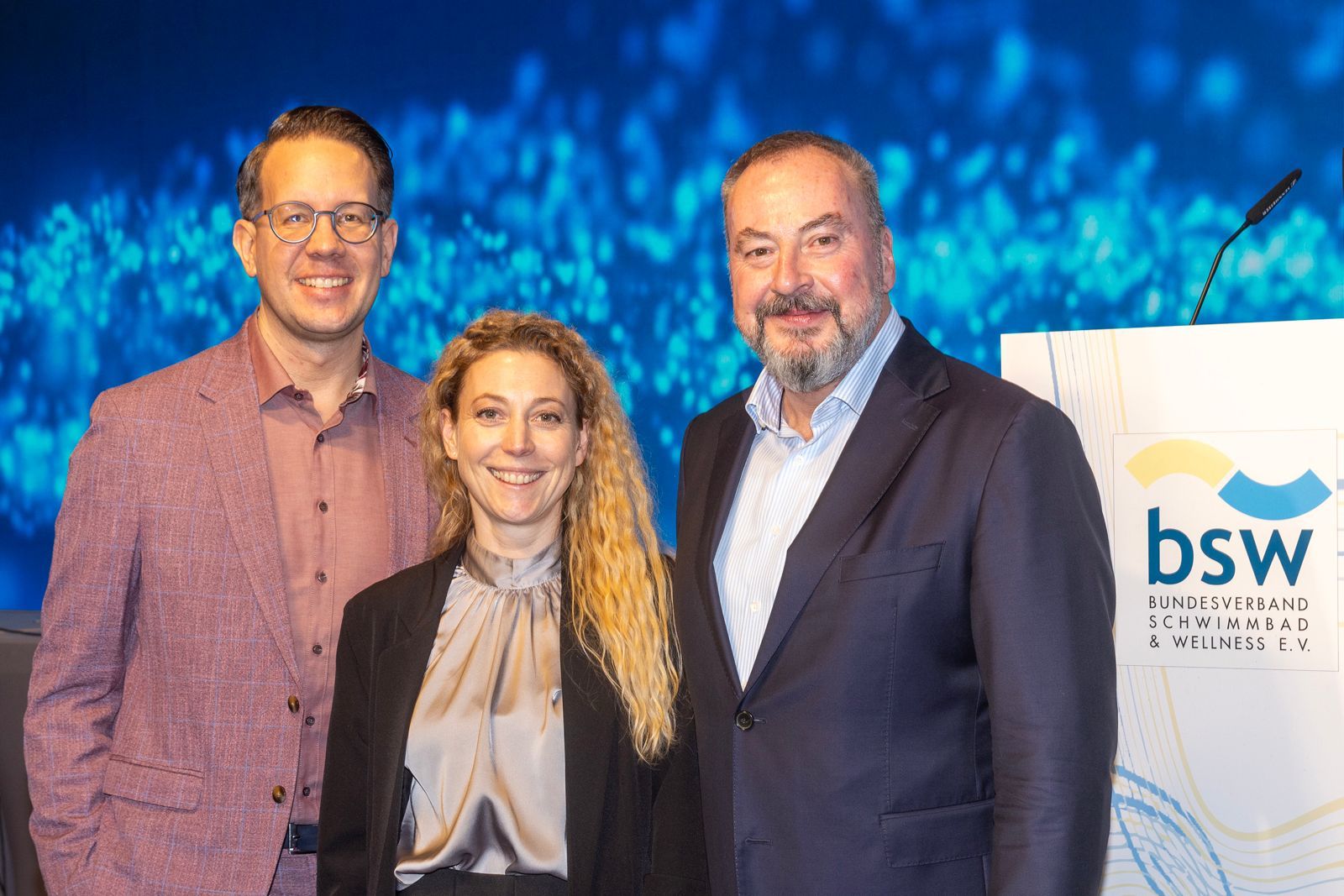
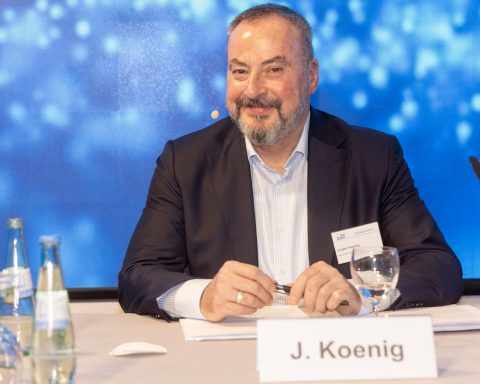
In an exclusive interview with poolbiz, Jürgen Koenig, President of the bsw, the German Federal Association of Swimming Pool and Wellness, explains how the industry is growing closer together, how market conditions are changing and why pools are increasingly becoming places for wellbeing and everyday relaxation.
Mr. Koenig, the bsw sees itself as a network and advocacy body for companies in the swimming pool and wellness industry. How has this self perception evolved in recent years?
The pandemic had a significant impact on our industry, and in many ways a positive one. During that period, the sector moved noticeably closer together. What followed were further challenges that placed considerable pressure on many businesses. Especially in those phases, manufacturers, specialist retailers and pool builders worked more closely and supported one another.
The awareness that we share responsibility for the sustainable development of the industry has clearly grown. The network mindset is far more firmly established today than it was a few years ago.
What role does the association play today in the interaction between medium sized specialist companies, industry and increasingly digital information platforms?
Personal relationships remain the foundation of our industry. Direct exchange between manufacturers, retailers and pool builders is still essential. Through our information days, conferences, training sessions and other formats, we ensure that these personal connections are maintained and strengthened.
At the same time, digitalisation has naturally become part of the market. We are therefore continuously expanding our digital services. Through our online platform, we provide specialist information, guidelines and practical resources. Forward looking companies use these tools intensively. At the same time, many businesses continue to operate in a more traditional way and prioritise personal contact. Both approaches are valid and complement each other very well.
Looking back at the past 24 months, which development has shaped the industry most strongly from your perspective?
Planning has become considerably more difficult. The market is less predictable and far more fragmented than it used to be. Customer behaviour changes more quickly. Businesses that once operated consistently now experience fluctuations, while others that were previously less visible are coming into focus.
The competitive environment has also intensified. Projects are compared more closely and quotations are examined in greater detail. It is now common for several suppliers to be approached simultaneously. This increases pressure and requires a high level of professionalism in consultation, pricing and execution.
There is also a stronger tendency to question and negotiate every detail. Many companies did not previously have to deal with this level of scrutiny. Today, it has become part of everyday business.
Private pools and wellness areas are increasingly associated with quality of life, health and the home as a place of retreat. How do you perceive this shift from the association’s perspective?
This is a central aspect of our work, as we are primarily active in the private sector. Our marketing campaigns deliberately address this development. I often say that the swimming pool has reached the centre of society. It is no longer perceived solely as a luxury product but as a realistic option for many households, depending on the chosen specification.
A private pool represents independence and personal freedom. No opening hours, no travel time, no restrictions. People can decide for themselves whether exercise, relaxation or shared family time takes priority. This form of quality of life has gained considerable importance in recent years.
The idea of investing in a private “holiday at home” experience has become firmly established. We observed similar tendencies after the financial crisis in 2008. Today, this mindset is much more broadly anchored.
Here’s a glimpse into the current marketing campaign:
At the same time, companies are facing issues such as energy efficiency, regulation and skilled labour shortages. Where do you see the greatest challenges and opportunities?
Energy efficiency remains a dominant topic. Consumers have become more sensitive, and expectations towards businesses have increased accordingly. Technologies such as pool covers, heat pumps and heat exchangers make an important contribution to optimising energy consumption. This helps counter the perception of the pool as an energy intensive product.
Regulatory requirements, particularly standards such as DIN, present challenges for many companies. At the same time, these standards include safety relevant aspects that must not be neglected. A project must not only be aesthetically convincing but also technically sound and safe.
The shortage of skilled labour remains a structural issue. Despite fluctuations in project numbers, qualified personnel are still scarce. Through campaigns and initiatives, we aim to make the profession of pool builder more visible and attractive. In the long term, however, stronger vocational training structures will be necessary.
What significance do quality standards such as the „Energy-Guide“ or the „Water-Guide“ have for market stability and credibility?
Our guidelines for the German market are important tools for providing well founded information. Specialist companies can use them to communicate objectively and factually about issues such as water consumption or energy use.
The goal is to provide verifiable and reliable information. This strengthens the credibility of the industry and builds trust among end consumers.
Both guidelines can be viewed here:
How can technical foundations be aligned with the emotional world of pool and wellness?
The key task is to combine technology and emotion. Technical standards must be observed to ensure safety, efficiency and durability. At the same time, a pool is always an emotional product. It stands for quality of life, aesthetics and personal freedom.
A successful project unites both aspects. Technical precision forms the foundation, while emotional design gives the project its appeal.
What role do digital platforms such as Poolbiz play in visibility and knowledge transfer?
Online research has become standard practice. Both end consumers and professionals gather information digitally. Platforms such as Poolbiz bundle industry specific content and make it accessible in a structured way. The decisive factor is the professional quality and timeliness of the information.
Social media also continues to gain importance. Visual content generates attention and increasingly leads to concrete enquiries. The pool as a product is highly suited to visual communication. It represents sport, leisure, family life and style. This emotional dimension can be conveyed very effectively through digital channels.
As the European market becomes more closely connected, is it sufficient to strengthen national structures or is more intensive European coordination required?
Stronger European cooperation is meaningful in certain areas, particularly in marketing initiatives and overarching industry topics. At the same time, many standards have developed historically and cannot simply be unified. Climatic, economic and technical conditions differ across countries.
Where possible, synergies should be used. European products can be positioned more consciously without promoting protectionism. What matters is a shared understanding of quality and responsibility.
Looking three to five years ahead, what should the bsw stand for in this phase?
The association should stand for having stabilised and further developed the industry in a sustainable way. The swimming pool should be firmly anchored in the mindset of consumers as a health promoting and socially accepted product, available in different forms and price categories.
At the same time, cohesion within the value chain should have been strengthened further. Personal relationships and mutual support will remain essential pillars.
On a personal level, what motivates you to actively shape the future of the industry?
I have been in the industry for over 25 years and have experienced its development closely. The swimming pool as a product combines aesthetics, functionality and emotional value. It enriches the home and creates spaces for movement, relaxation and community.
What motivates me most is the exceptional sense of cohesion within the industry. The respectful interaction, even among competitors, and the shared ambition to deliver high quality projects are distinctive features.
There is enough potential for all of us, and we can only unlock it together.