HCM Summit 2026 in London pointed to where the industry is heading: prevention, healthy aging and partnerships with healthcare. For aquatic facilities, it is a chance to move beyond fitness alone and become a credible health resource for the community.
On 22 October in London, operators, investors and healthcare professionals put prevention at the top of the agenda at HCM Summit 2026. Brain health, healthy aging and longevity services were among the recurring themes. So was a broader role for exercise in each person’s health journey.
The message for pool operators echoes many signals already coming from the market. Gyms and pools are not clinics, but they can become credible prevention hubs. To do so, they need to build new skills and partnerships that go beyond simple exercise.
The pool joins the “co-location” model
In its official report on the event, Alliance Leisure places water mainly within the concept of co-location: the integration of health, wellbeing and community infrastructure. According to the document, the pool is increasingly a central element in how public health spaces are being rethought.
The report cites Clay Cross Active (UK), where the pool operates alongside NHS maternity clinics, medical consultation rooms and counselling centres.
This is more than shared space. It is an ecosystem designed to ease the anxiety of people starting to exercise. Patients who already visit the facility for clinical reasons feel comfortable and safe joining guided exercise programmes, in the water or in the gym.
Beyond the traditional leisure centre
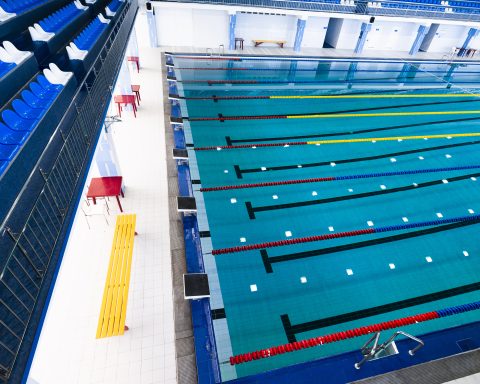
The Summit also made clear that the classic leisure centre model needs to evolve. In the new projects cited, the 25-metre main pool and the learner pool sit alongside wellbeing suites for older adults (known as Live Well suites), fitness areas and social spaces.
This approach supports the vision London has been championing in recent times. It combines the benefits of aerobic exercise, such as aquatic training, with preventive and rehabilitative pathways for managing long-term conditions.
A trend worth embracing
Pools are seen less and less as a recreational service and more as health infrastructure. For operators, this points to three areas that deserve attention: partnerships with the local healthcare system, specific expertise in groups such as older adults and people with chronic conditions, and spaces designed to welcome those who start out feeling fragile or apprehensive. Operators who move first can position themselves as a stable partner for their local community.
Source: https://allianceleisure.co.uk/
Image by magnific