Dublin City Council has approved a new EUR 43 million swimming pool. Transport Infrastructure Ireland is paying for it in full. The move shows how the MetroLink infrastructure giant is also taking responsibility for the city’s public services.
The approval of a new EUR 43 million public pool in Ringsend, on the outskirts of Dublin, tells more than a simple story about sports facilities. The most interesting detail isn’t the lanes or the sauna planned for the new centre. It’s who is paying for it: Transport Infrastructure Ireland (TII), the body behind the country’s largest infrastructure project, MetroLink.
A Demolition That Triggers a Rebuild
The Markievicz Centre on Townsend Street is a historic Dublin swimming facility. It is set for demolition to make way for the Tara Street station on the future 19km metro line. That line will connect Swords in the north with Charlemont in the south of the capital.
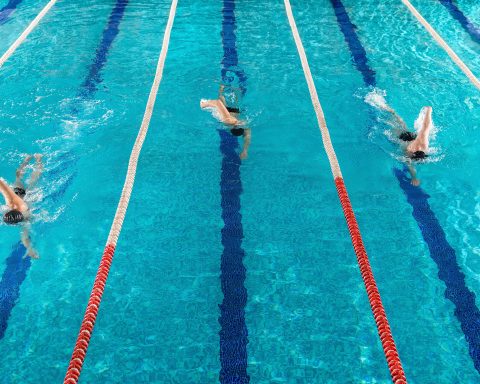
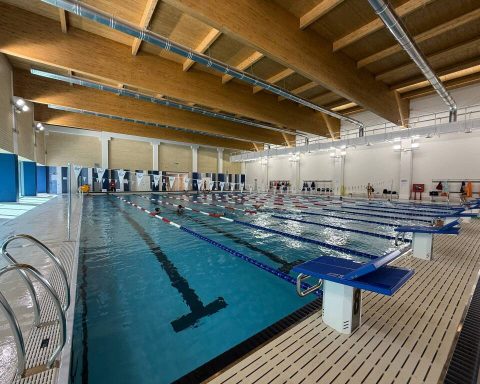
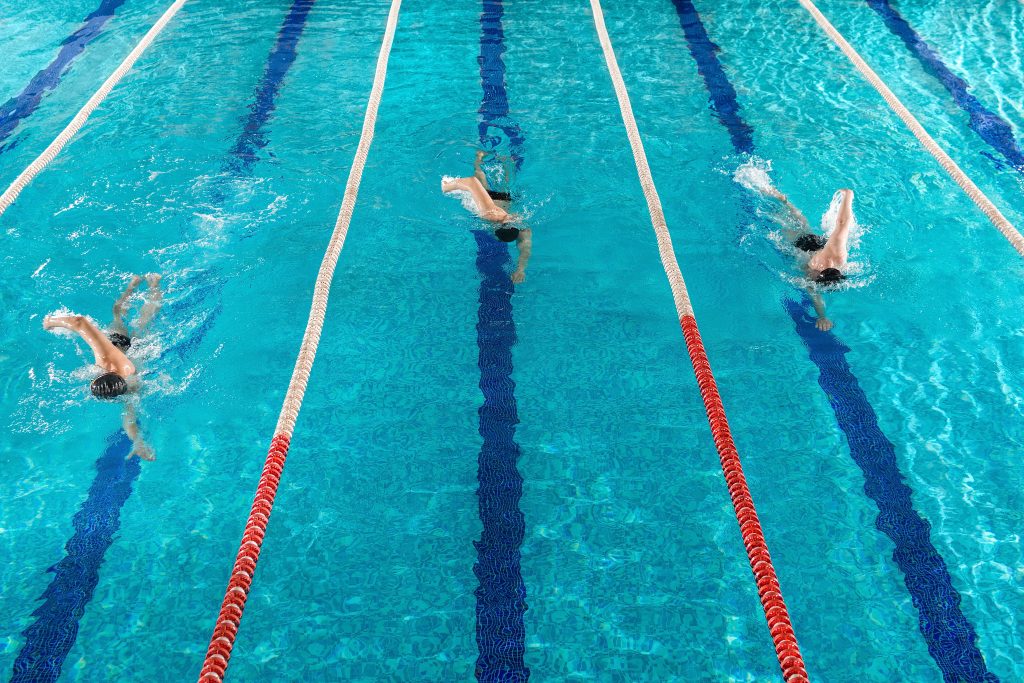
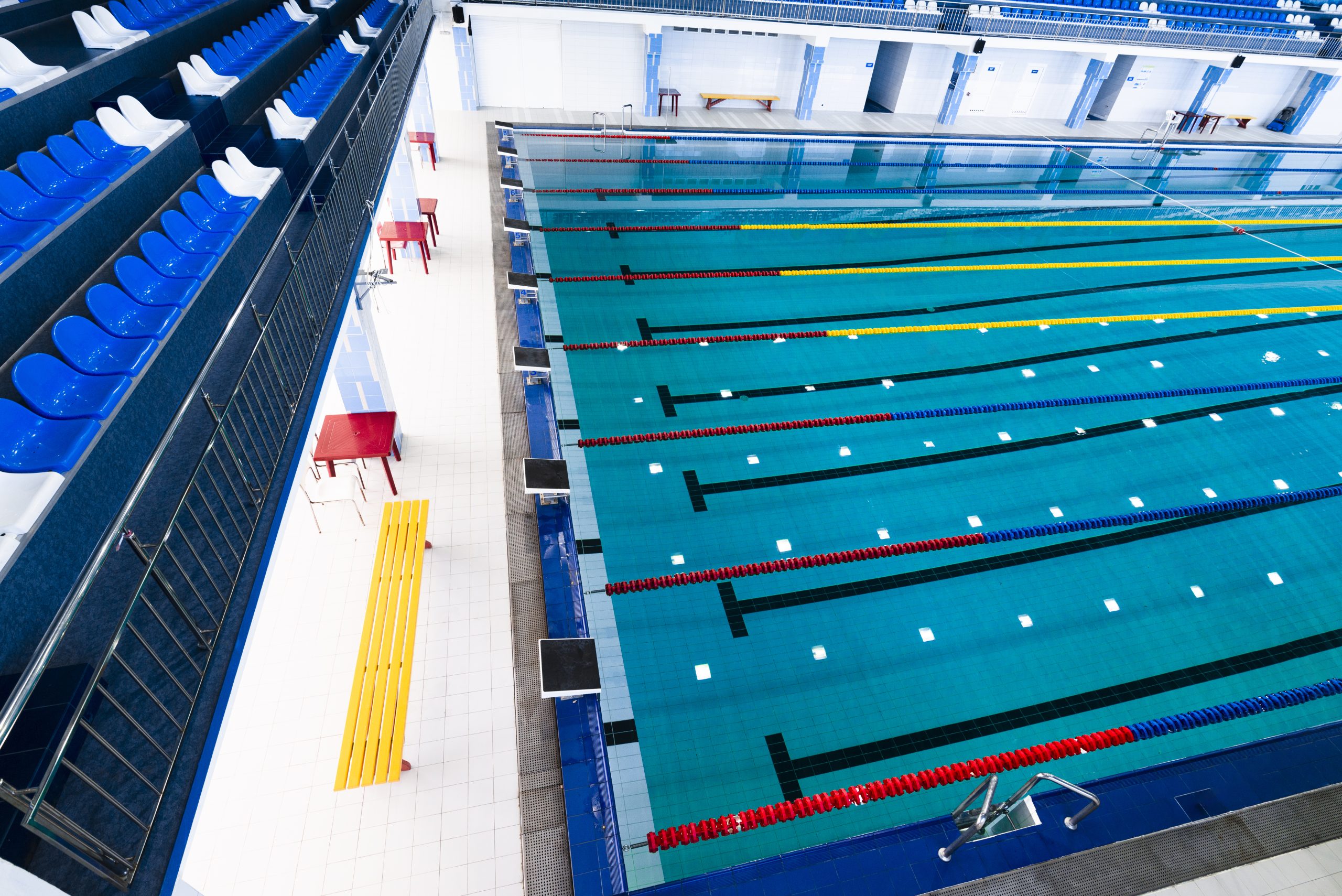
A new complex will replace the current council-run sports centre. It will rise at Irishtown Stadium by the third quarter of 2029. The facility will include a 25m six-lane pool, an additional training pool, and wellness areas.
According to the project plan, the new centre will open before the old Markievicz Centre closes. This will ensure continuity of service for the people who use it today.
Transport as a Guarantor of Public Services
What makes this story significant is the logic behind its funding. TII isn’t just building tunnels and stations. It is acquiring land, residential buildings, and now sports facilities too, as part of a series of property deals tied to the metro’s construction. This year alone, the agency expects to have spent almost EUR 750 million on preparatory work, even before excavation begins.
In this context, a transport authority funding a new swimming pool marks a shift in approach. Mobility infrastructure no longer just moves people. It also takes on the task of rebuilding what its own development puts at risk, protecting services seen as essential to the community.
The pool has thus become an essential piece of the urban fabric. TII’s public funding of it amounts to an implicit admission: a major transport project can’t be judged on tracks and stations alone. It must also be judged on what it gives back to, or takes away from, everyday city life.
The Question of Overall Project Costs
This attention to the social fabric comes against an uncertain financial backdrop. The Irish government is due to decide within the month whether to allow TII to tender for construction of the full line. That decision rests on new cost estimates, not yet published, expected to range between EUR 14 billion and EUR17.5 billion.
Still, amid the billions tied to a project that could well exceed its original costs, the €43 million earmarked for the Ringsend pool carries real political weight. It reflects a transport project taking responsibility for renewing public services, recognising the pool as infrastructure the local area cannot do without.
Source: irishtimes.com
Image by magnific