What will define the private pool of tomorrow? Šimon Janča, Managing Director of NIVEKO, talks about changing customer expectations, flexible pool design and the growing demands on specialist partners.
Looking at the European pool market today, which developments do you believe are having the greatest impact on the industry?
We see several trends converging. Customers are paying much closer attention to operating costs, energy consumption and the level of maintenance a pool will require over its lifetime. At the same time, expectations regarding design and personalisation have increased.
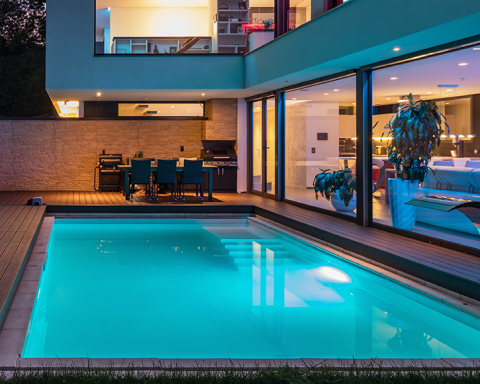
A pool is increasingly seen as part of the overall living environment rather than as a separate feature in the garden. Customers want a solution that complements their architecture, suits their lifestyle and reflects how they actually intend to use the pool.
For us, this is a natural direction. NIVEKO has always focused on individually designed pools rather than standardised solutions.
Have customer expectations changed in recent years? What do pool owners expect today that was less important five or ten years ago?
Definitely. Customers today are much better informed and often come to us with a very clear idea of what they want. They also ask more questions about what happens after installation. They expect simple operation, less maintenance, lower running costs and technology that works reliably in the background.
Five or ten years ago, the initial purchase price often played a greater role in the decision-making process. Today, especially in the premium segment, customers are more likely to view a pool as a long-term investment.
Design and architecture are playing an increasingly important role in private pool projects. How is this influencing the way pools are planned and manufactured?
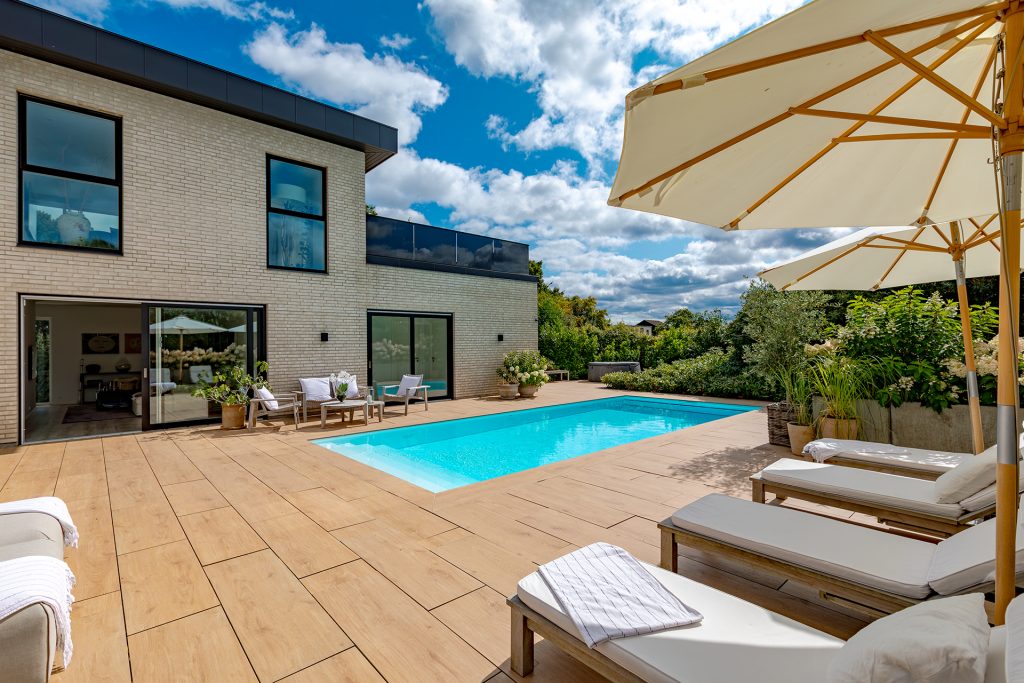
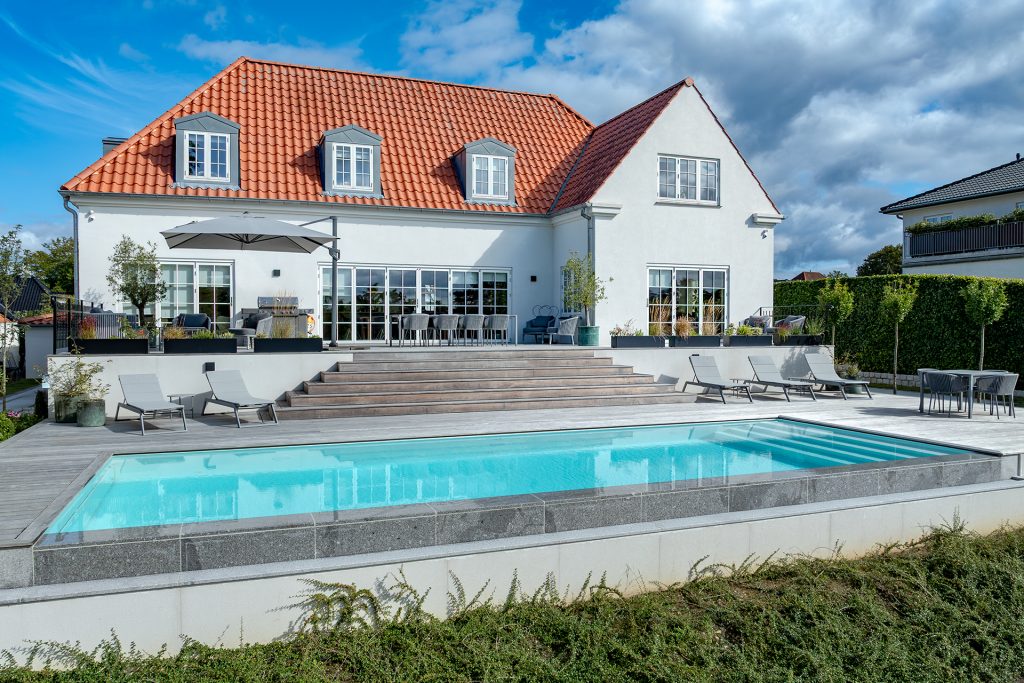
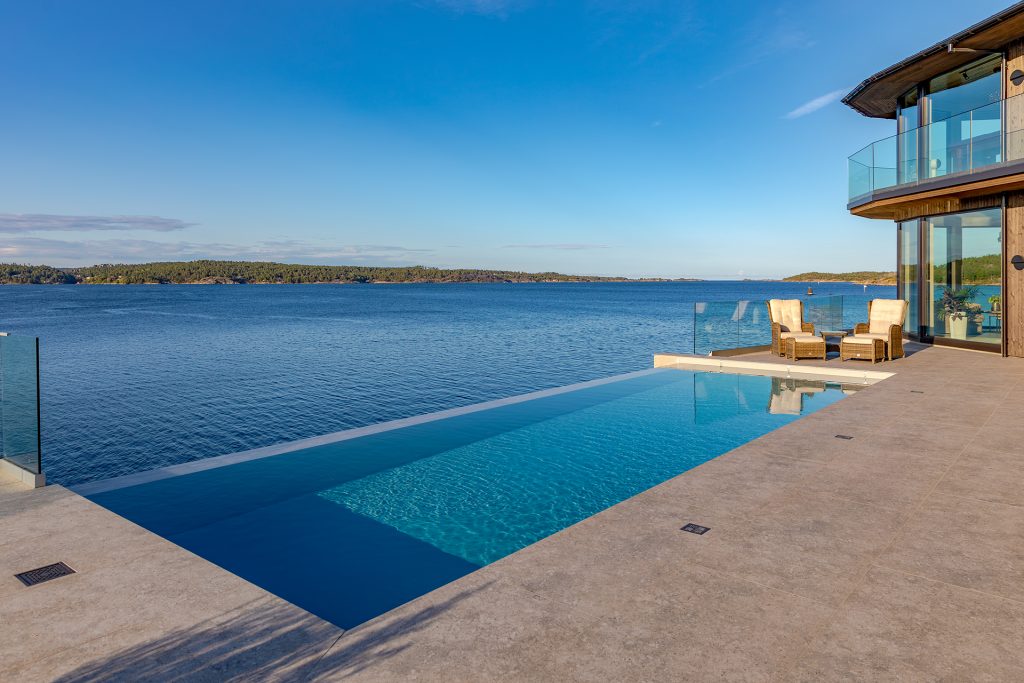
Today, the pool is much more often designed as part of the overall architectural concept. It is no longer only about its shape or dimensions. We also consider sightlines from the house, the height of the terrace, surrounding materials, the position of stairs and benches, and the way technical elements are integrated.
For the manufacturer, this requires a higher level of precision before production even begins. The more individual the project, the more important it is to resolve every detail in advance.
At the same time, flexibility and multifunctionality are becoming increasingly important. Do you see a trend towards pools that can adapt more closely to different uses and changing lifestyles?
Yes, and I believe this will become increasingly important. A private pool occupies a considerable part of the garden, yet traditionally that area has served only one main purpose.
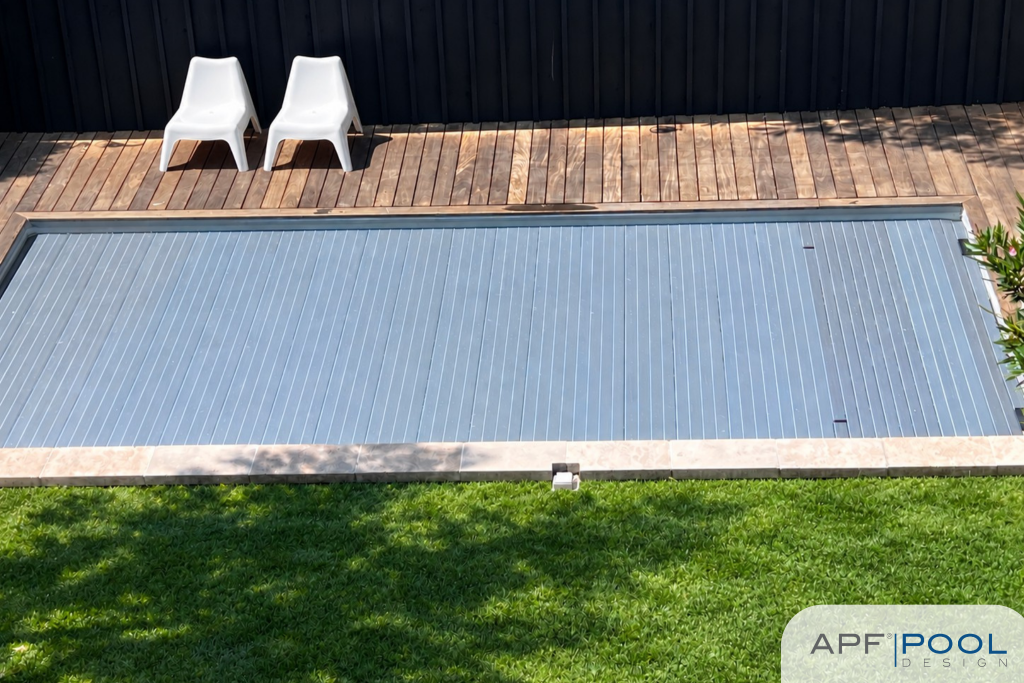
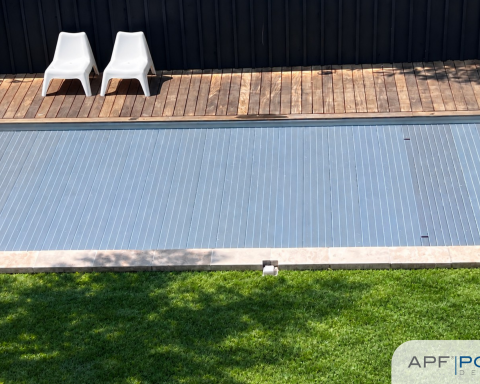
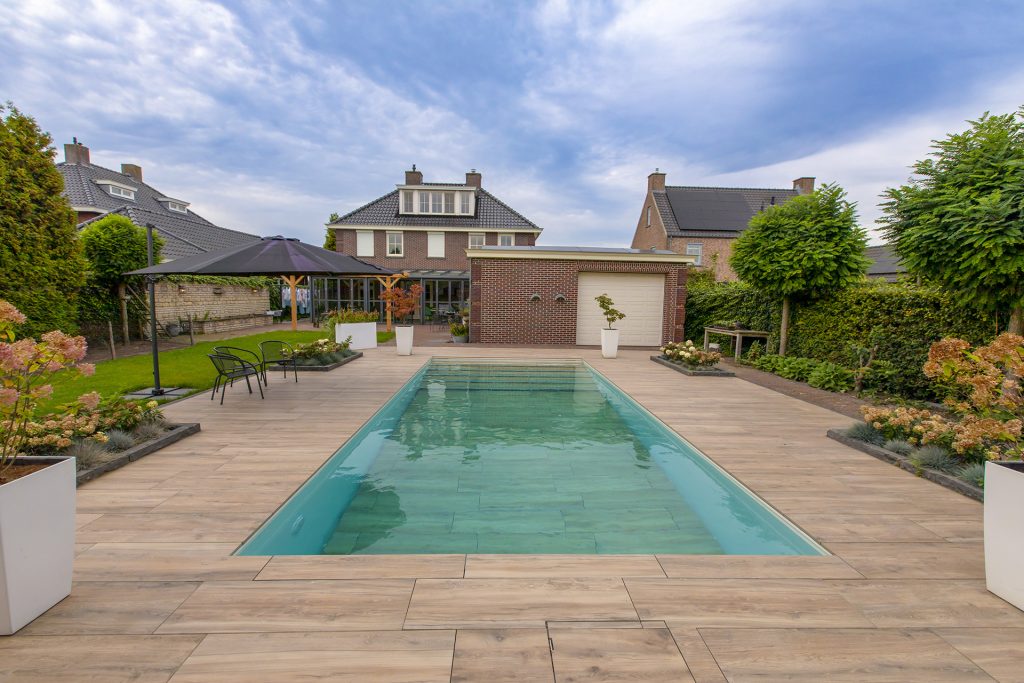
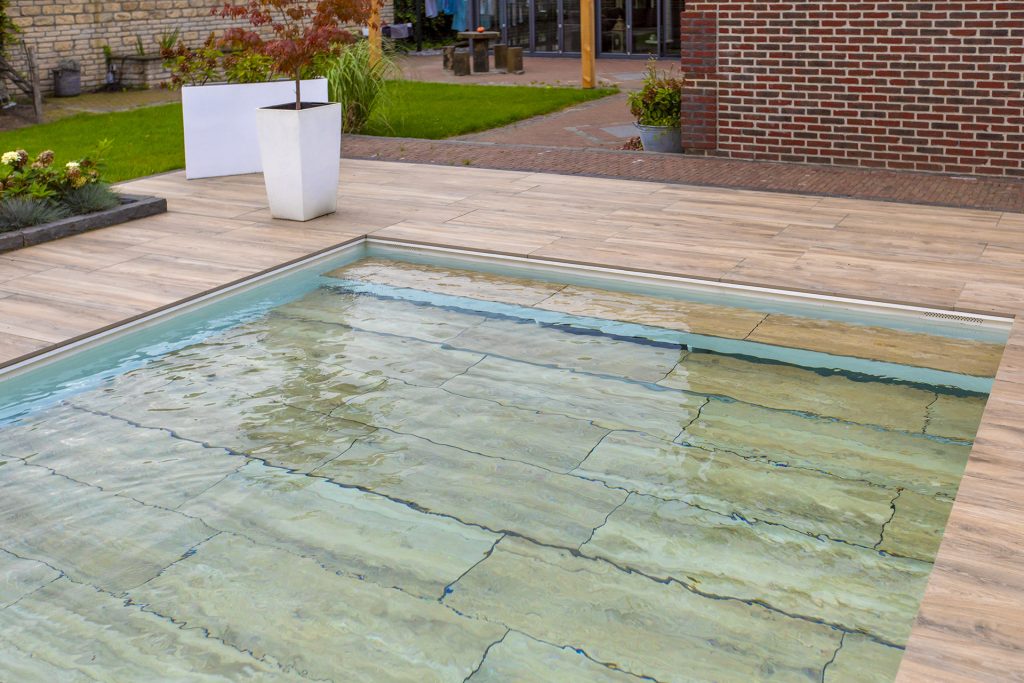
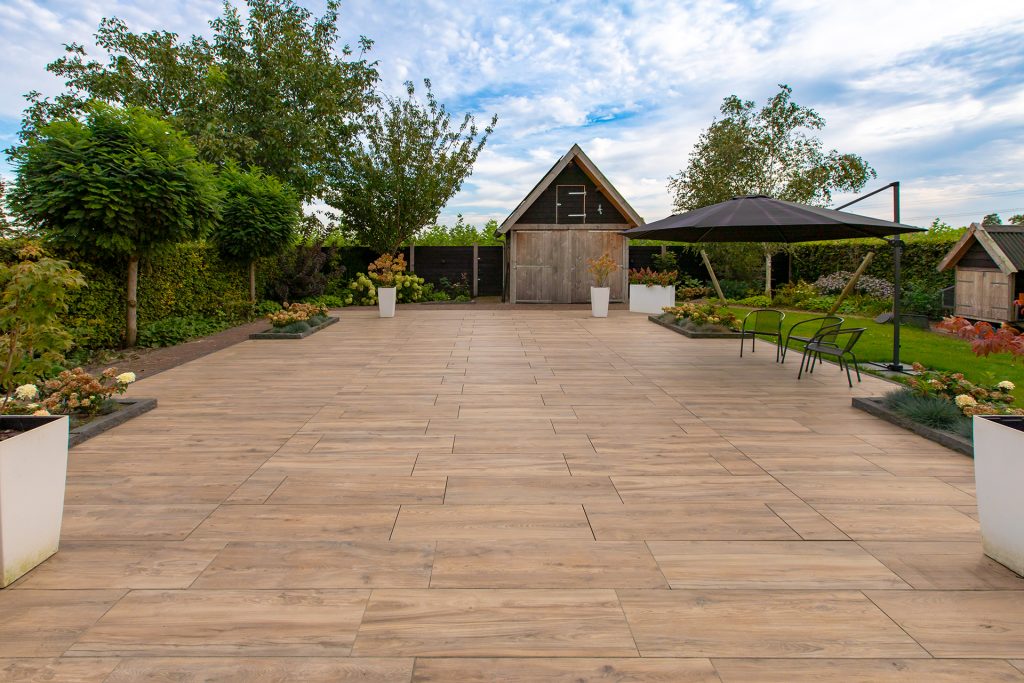
NIVEKO Motion Pool is our response to this idea. Its movable floor allows the water depth to be adjusted from zero to 150 centimetres. The same pool can therefore be used for swimming, relaxation, playing with small children or activities that require shallower water. When the floor is fully raised, the pool becomes a terrace and the space can be used in a completely different way.
For us, this is what modern flexibility means: the space adapts to the people using it, rather than the other way around.
Automation and smart technology have become an established part of many areas of the home. Where does the pool industry currently stand in terms of digitalisation and intelligent control?
The pool industry has made considerable progress in this area. Today, many functions can already be monitored and controlled remotely, including filtration, water treatment, heating, lighting and other technologies.
People do not want more technology to manage. They want fewer things to think about. Ideally, the pool should take care of routine processes itself and provide the owner with clear information only when their attention is actually required.
Energy efficiency and the responsible use of resources remain important issues across Europe. How are these requirements changing pool technology and product development?
One important change is the more precise design of pool technology based on the actual requirements of each individual project. In the past, systems were often specified with a relatively large performance reserve. Today, the aim is to use energy only where and when it is genuinely needed.
Modern equipment can adjust its performance to current conditions, whether that means water temperature, the way the pool is being used or the surrounding environment.
For us, however, the responsible use of resources also includes longevity. A pool designed and manufactured to perform reliably for many years is fundamentally different from a product that needs to be replaced or extensively repaired after a relatively short period. A long service life is an important part of our approach to sustainability.
From NIVEKO’s perspective, which innovations have the greatest potential to shape the private pool market over the next few years?
I believe the most interesting innovations will be those that address several practical needs at the same time.
Movable floors are a good example. They allow the same area to be used in different ways, while also contributing to safety and reducing heat loss and water evaporation when the pool is covered.
Another area that should not be overlooked is manufacturing itself. As customers and architects demand increasingly specific solutions, manufacturers need to combine individual production with a very high level of precision and consistent quality.
Which of these trends are already having the strongest influence on NIVEKO’s own product development and strategy, and how are they reflected in your current solutions?
Personalisation remains one of our main directions. NIVEKO has always produced pools individually, and we continue to develop this approach through solutions that allow us to work with atypical shapes, different depths and very specific architectural requirements.
At the same time, we are increasingly focused on how a pool can offer greater freedom in everyday use. Motion Pool is the clearest example of this approach because it changes not only the appearance of the pool, but its actual function.
NIVEKO operates in different European markets. Are there significant differences between countries when it comes to pool design, technology and customer expectations, or are preferences gradually becoming more similar?
There are still clear differences between individual markets. In some countries, customers are more accustomed to investing in design and personalisation, while other markets remain more price-sensitive. Climate, architecture and the way people use their outdoor space also naturally influence the final choice.
At the same time, we see expectations gradually converging, particularly in the premium segment. Customers across Europe have access to the same architectural inspiration and increasingly expect a pool to reflect their personal style rather than simply follow a standard solution.
What do these developments mean for professional pool builders and specialist partners? How is their role changing as pool projects become more sophisticated?
Today, a good partner needs to understand the entire project, not only the pool itself. They are often the link between the customer, architect, construction company and manufacturer, and many important decisions are made long before the pool reaches the installation site.
This also changes what we expect from our partners. Technical knowledge is essential, as is the ability to understand the customer’s expectations and translate them into a solution that will work in practice.
We enjoy working with partners who are not afraid to think differently and who share our focus on quality. As the number of individual projects grows, this kind of cooperation becomes even more important.
Looking ahead to the next five years, what will define a modern private pool, and which developments in the industry should we be watching most closely?
I believe the modern private pool will increasingly be defined by how well it fits the life of its owner. It will use less energy and water, require less attention from the owner and become much more closely integrated with the architecture of the home.
That is why we see strong potential in technologies that can change the way the pool itself is used. Our ambition is for NIVEKO to help change the way people perceive a pool. In the coming years, the most interesting solutions will be those that give customers greater freedom and make the pool a more natural part of everyday life.