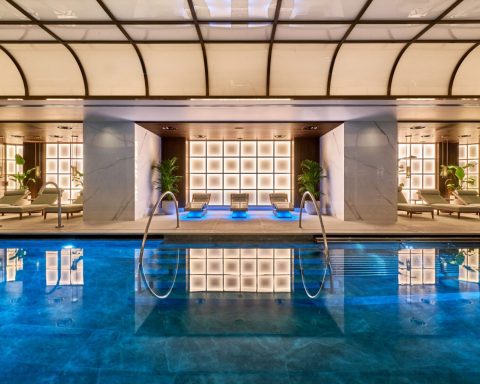
Swimming pools can play a much broader role than simply providing spaces for leisure and sport. This was one of the key messages conveyed by ASOFAP, the Spanish association representing professionals and companies in the swimming pool industry, to the Health Commission of Spain’s Congress of Deputies on June 22, where it presented its report, Piscinas y Salud en España (“Swimming Pools and Health in Spain”).
The organisation is calling for Spain’s extensive network of aquatic facilities to be incorporated into public strategies focused on prevention, recovery and wellbeing. The proposal comes at a time when an ageing population, the rise in chronic conditions and the health consequences of sedentary lifestyles are creating new challenges for healthcare systems.
From leisure facilities to health resources
ASOFAP’s proposal is based on a straightforward idea: the aquatic environment offers conditions that can make physical activity more accessible while also supporting rehabilitation, psychological wellbeing and social interaction.
The report presented to Congress highlights evidence of the positive effects that swimming pools and aquatic activities can have on different aspects of health. Their value goes beyond physical fitness. Regular activity in the water can also contribute to emotional wellbeing and social connection, which are particularly important for certain groups.
From this perspective, swimming pools could become part of public policies designed to promote healthier lifestyles and prevent problems associated with physical inactivity.
Prevention and rehabilitation: two sides of the same approach
ASOFAP stresses that swimming pools can be useful both before health problems arise and once a medical condition is already present.
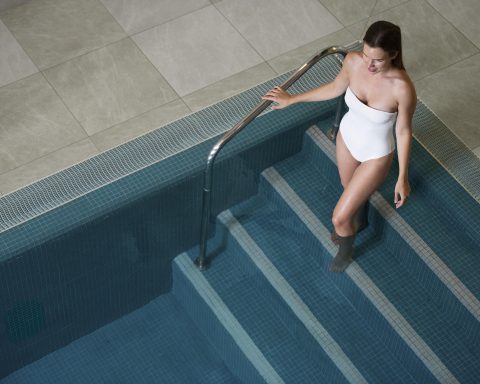
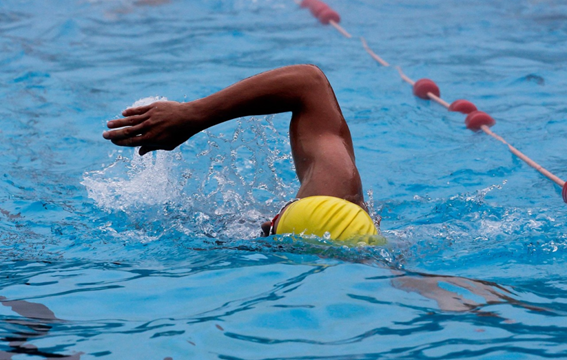
From a preventive perspective, regular exercise in the water can help maintain mobility, support weight management and contribute to overall wellbeing. It can also offer an alternative form of exercise for people who may find certain land-based activities more demanding.
There is also potential in rehabilitation. The properties of water make it possible to exercise with less impact on the joints, which can be particularly useful during recovery from a range of conditions.
ASOFAP believes that greater emphasis should be placed on prevention, not only because of its potential contribution to people’s quality of life, but also because preventing health problems may help reduce the resources required for treatment further down the line.
Making use of infrastructure that is already in place
One of the main arguments behind the proposal is that Spain would not need to start from scratch.
The country already has a large network of public swimming pools and aquatic facilities spread across different regions. According to ASOFAP, public authorities could also use this existing infrastructure for programmes focused on health, physical activity, rehabilitation and social inclusion.
This could make it possible to develop initiatives relatively quickly, provided that suitable programmes are designed and coordinated by public authorities, healthcare professionals, facility managers and other relevant stakeholders.
The fact that many of these facilities are located close to local communities could also make them valuable resources for reaching different groups of the population.
The social impact of swimming pools
ASOFAP’s approach goes beyond the physical benefits of aquatic exercise. The organisation also highlights the social dimension of swimming pools.
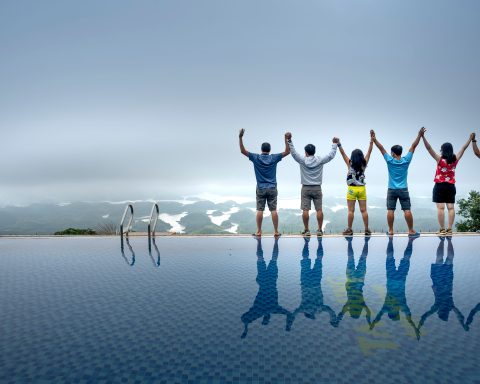
Aquatic facilities can serve as places for social interaction and participation, particularly for older people, people with disabilities and groups who may be at greater risk of isolation or social exclusion.
Taking part in activities with others, exercising and maintaining social connections can all contribute to people’s wellbeing. ASOFAP has highlighted several initiatives that already use swimming pools in Spain to promote health and social inclusion.
One area attracting growing attention is the adaptation of aquatic facilities to meet the needs of people experiencing cognitive decline. Initiatives promoted by organisations specialising in this field, with support from companies in the pool industry, are seeking to create more suitable environments where these individuals can continue to exercise and maintain social connections.
What is ASOFAP?
ASOFAP is the Spanish association representing professionals and companies working in the swimming pool industry. Its activities include representing the interests of the sector, promoting technical and professional development, and supporting initiatives aimed at strengthening the industry’s evolution.
The organisation also works to raise awareness among public authorities and society as a whole of the wider value that swimming pools and aquatic activities can provide.
The “Swimming Pools and Health in Spain” report forms part of this broader strategy. It brings together available evidence on the subject and aims to encourage public authorities to consider aquatic facilities when developing future health policies.
Presenting the report to the Health Commission of the Congress of Deputies therefore represents another step in ASOFAP’s efforts to position the swimming pool industry within a broader conversation—one that extends beyond business and technical considerations.
Measuring the impact on an international scale
This work also has an international dimension. ASOFAP is taking part in GASIF (Global Aquatic Social Impact Framework), a project developed within the Pool Horizons framework to establish a common methodology for measuring the social impact of swimming pools and aquatic activities.
The initiative aims to develop objective ways of assessing areas such as health, wellbeing, inclusion, social cohesion, accessibility and water safety.
Spain will be one of the participating countries, with ASOFAP leading the national pilot. The project will involve selecting a number of facilities and gathering information from both users and facility managers. The resulting data should help establish a more consistent way of measuring the social value generated by swimming pools.
A positive response from Congress
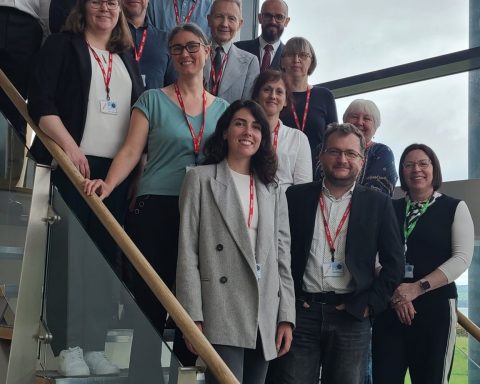
The presentation brought together professionals from the healthcare, social, institutional and third sectors, who expressed their support for the approach put forward by ASOFAP.
The members of the Health Commission also acknowledged the importance of swimming pools for citizens’ health and recognised the association’s work.
ASOFAP hopes this recognition will ultimately lead public authorities to incorporate aquatic facilities into future public policies and programmes.
The proposal is therefore not simply about giving swimming pools a new role. It is about exploring how infrastructure that already exists in communities across Spain could contribute to addressing some of the country’s major health and social challenges in the years ahead.
A new perspective for the swimming pool industry
An ageing population, the growing prevalence of chronic diseases and increasingly sedentary lifestyles are encouraging policymakers to explore new ways of promoting prevention and improving quality of life. Against this backdrop, ASOFAP argues that swimming pools can be part of the solution.
The association believes that the combination of existing facilities, professional expertise and projects already being implemented provides a strong basis for exploring new forms of cooperation with public authorities.
The presentation of “Swimming Pools and Health in Spain” at the Congress of Deputies has therefore opened up a wider discussion about the future of aquatic facilities: how swimming pools can serve not only as places for sport and recreation, but also as resources that contribute to prevention, wellbeing and social cohesion.