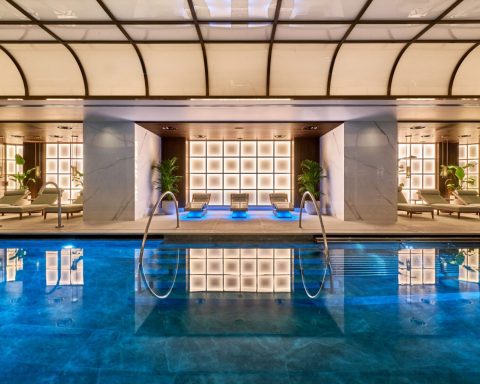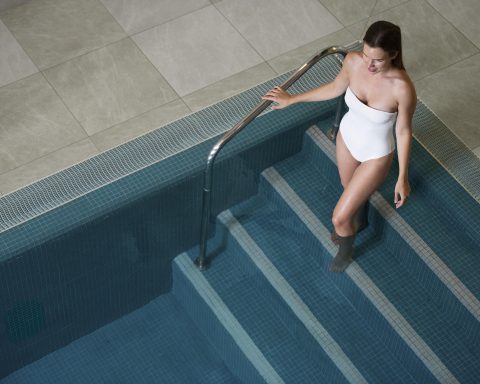
Anyone swimming against the powerful current of a HydroStar system will probably not think about CNC milling machines, control cabinets or stainless steel components. However, this is where the production of every system begins. At its manufacturing facility in Hamelin, BINDER combines raw materials, technical expertise and a high level of in-house production. The result is a range of systems that create the feeling of swimming against the current of a river or even the sea.
More than ten production stages, complete testing of key components and a high proportion of manual work define the manufacturing process. Development, assembly and quality assurance work closely together at the company’s new headquarters. Direct communication and short internal processes provide the basis for consistent product quality.
Centralised Operations
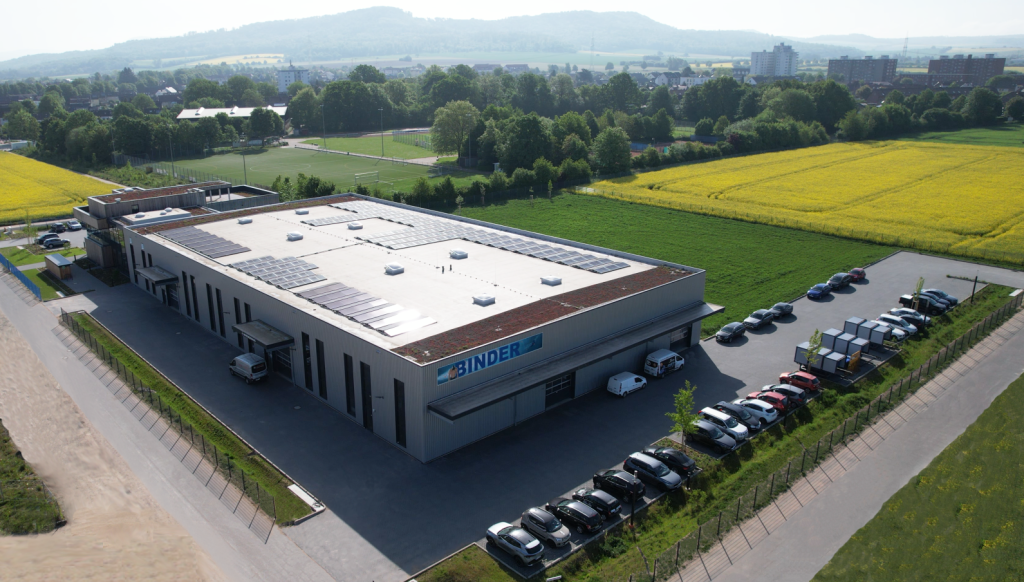
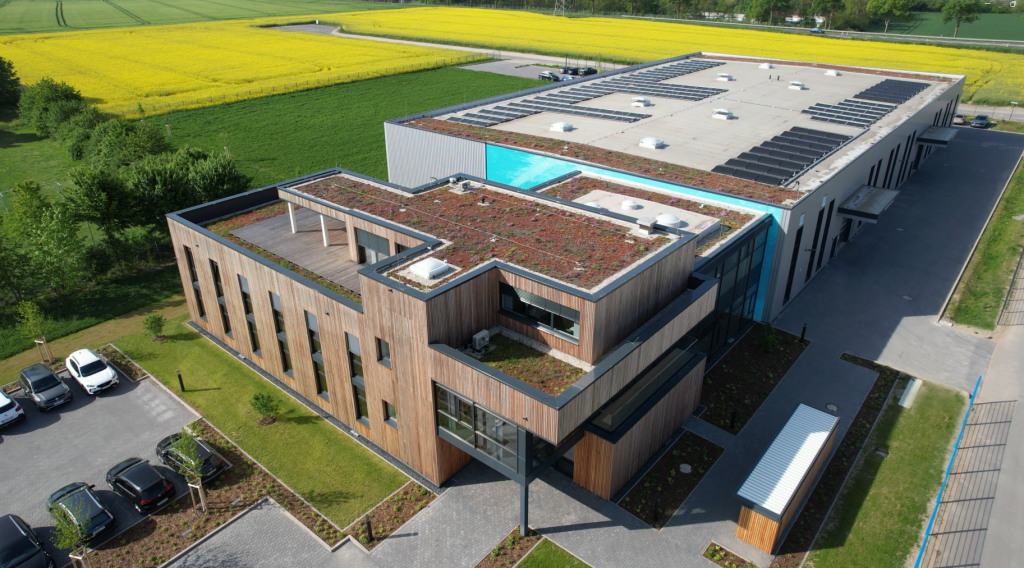
BINDER combines development, production, warehousing and administration at a single location on a site of around 14,520 square metres. The main facility includes approximately 2,840 square metres of production and warehouse space. It also offers almost 990 square metres of office and administration space as well as a warehouse with 740 pallet storage locations.
The company began producing drive systems for automatic pool covers in 2003. Today, BINDER is one of Europe’s leading manufacturers of drive systems and turbine-powered counter-current systems. The company now employs more than 100 people.
Its portfolio is based on two main business areas: drive systems for automatic pool covers and HydroStar counter-current systems. Both product ranges follow the same principles. These include a high level of in-house production, consistent quality standards and close coordination between design and manufacturing.
From Raw Material to HydroStar
This approach becomes particularly clear during a tour of the production facility. While many manufacturers use purchased assemblies, BINDER starts its value creation process with the raw material. Stainless steel tubes, solid stainless steel materials, aluminium and plastics arrive at the facility as base materials.
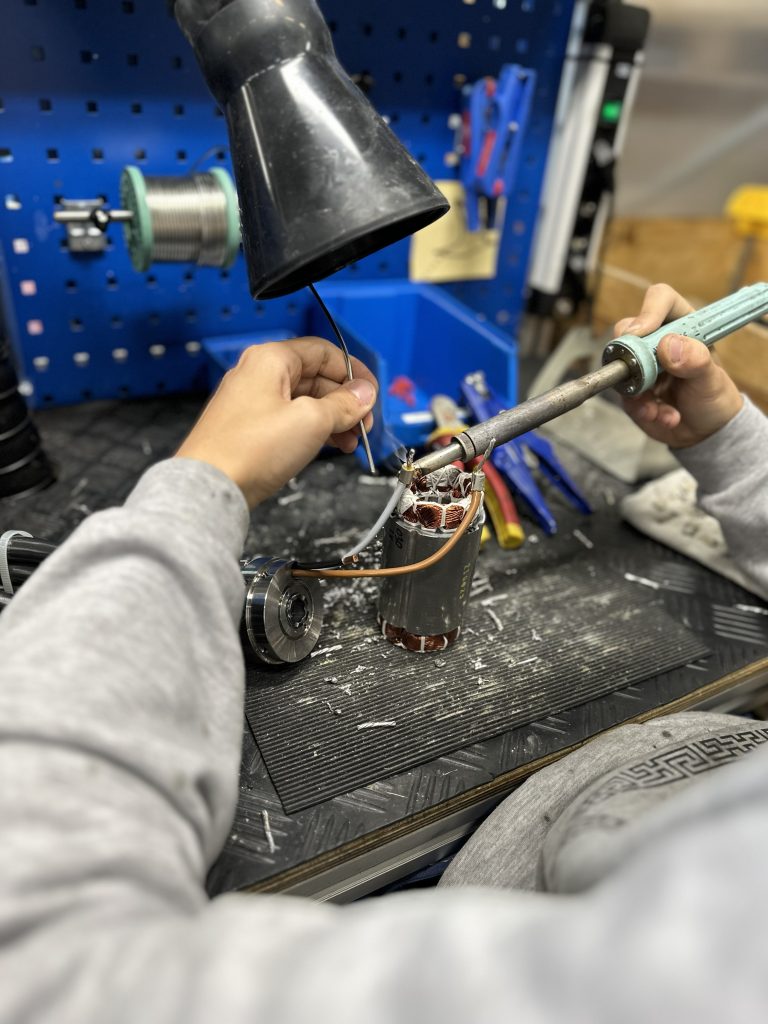
A wide range of machining and assembly processes transforms these materials into motors, gear units, turbines and other components for counter-current systems and drive systems. The company also manufactures some switches, control elements and decorative components in-house. This allows BINDER to integrate its own expertise directly into its products and reduces its dependence on external supply chains.
The production of a HydroStar system begins in the machining department. Modern CNC turning and milling centres produce precise components for turbines, motors and gear units. Many parts pass through more than ten machining stages.
Due to the time required to set up the machinery, the CNC department operates in two shifts. Production requires detailed planning because many components are manufactured long before a specific customer order is received. Finished assemblies are stored and can be combined into individual systems at short notice. This enables BINDER to offer both flexibility and short delivery times.
Modern measuring technology monitors compliance with strict tolerances throughout the machining process. BINDER uses a modern inspection machine to control its production processes continuously. Statistical process control helps the company identify deviations at an early stage and maintain a consistently high level of precision. The finished components then move to the assembly department.
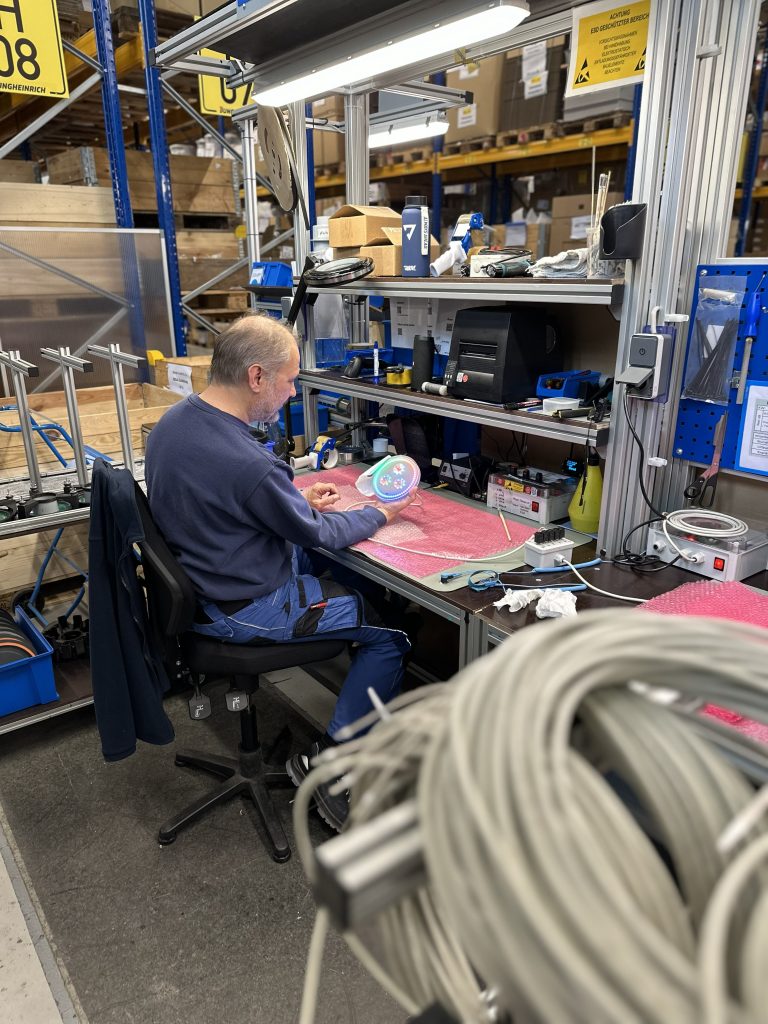
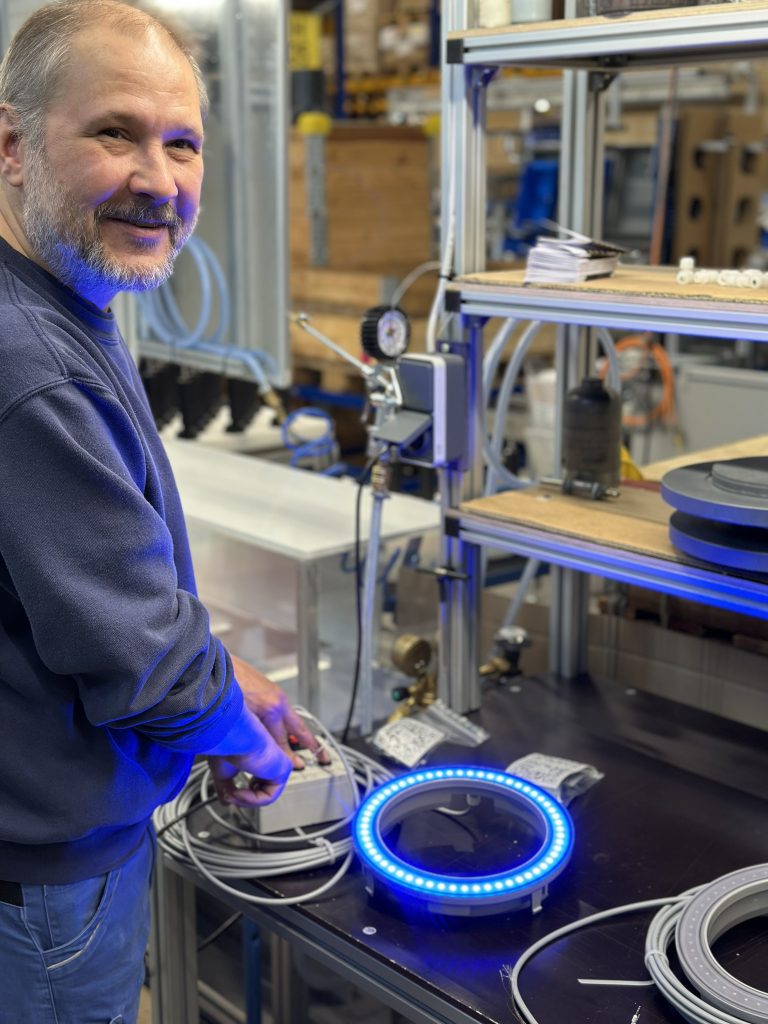
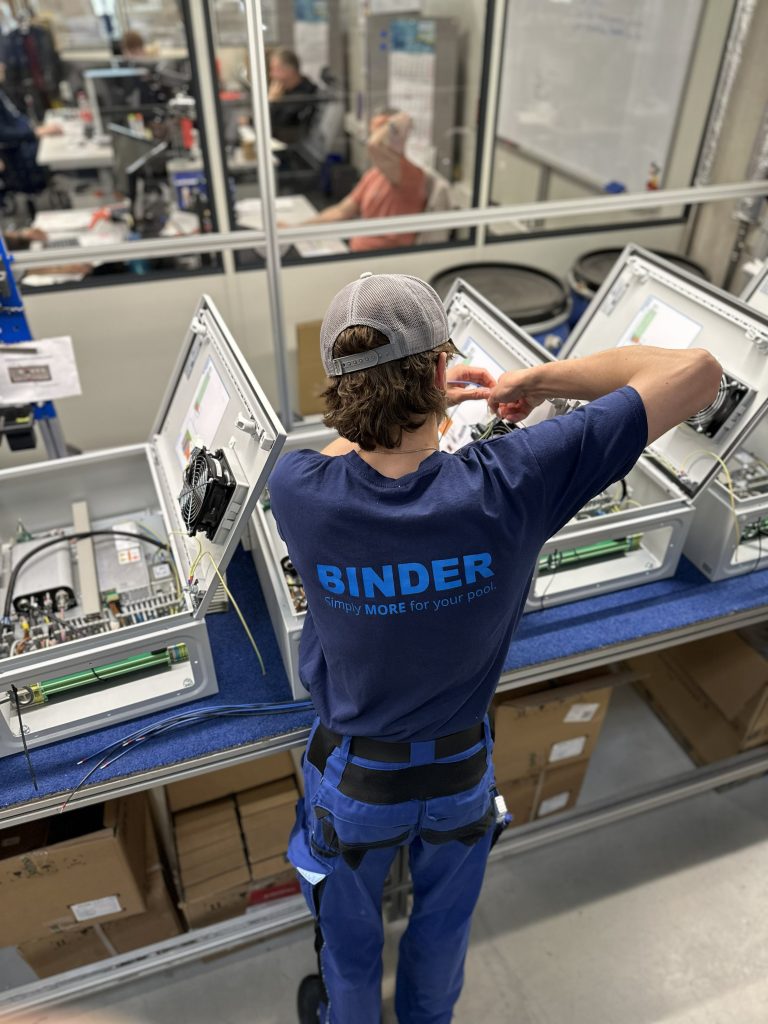
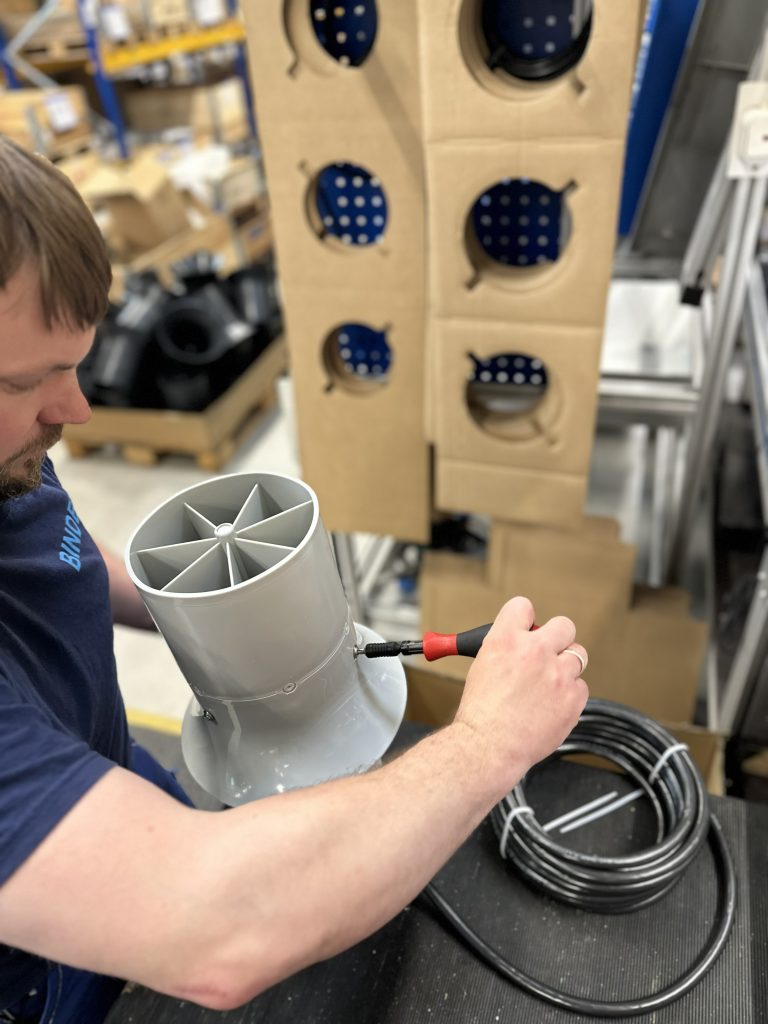
This is where turbines, motors, gear units, control cabinets and control systems are assembled. Piezo switches, BOB control panels and other assemblies are produced at the same time. Despite the high level of automation, manual work remains essential because many components must be precisely coordinated and assembled.
Visible elements receive particular attention. Switches, control elements and covers must operate reliably while also meeting high standards for appearance, finish and usability. These components combine technical precision with design requirements. Additional corrosion protection measures ensure that the products can withstand the demanding conditions of a pool environment.
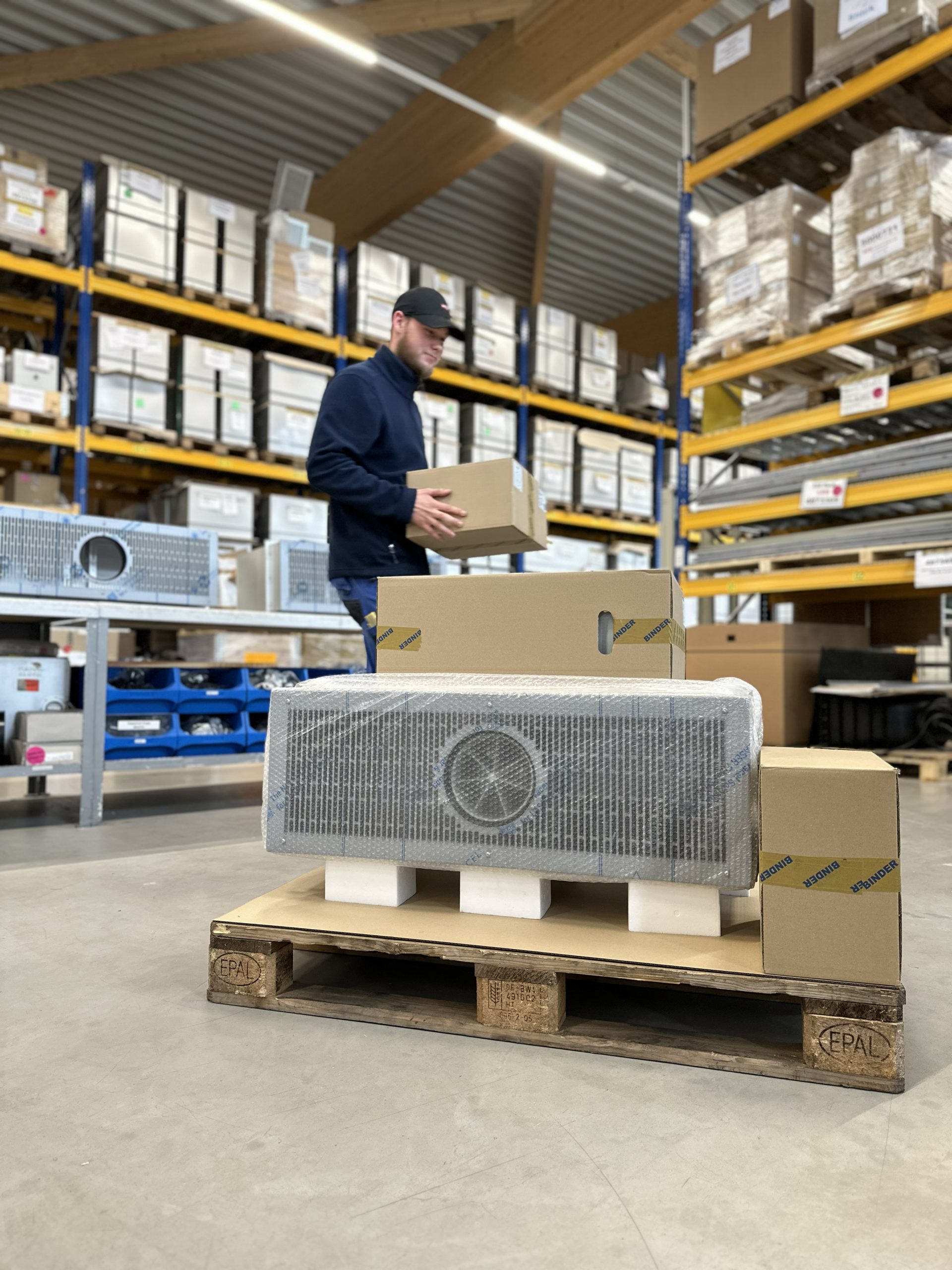
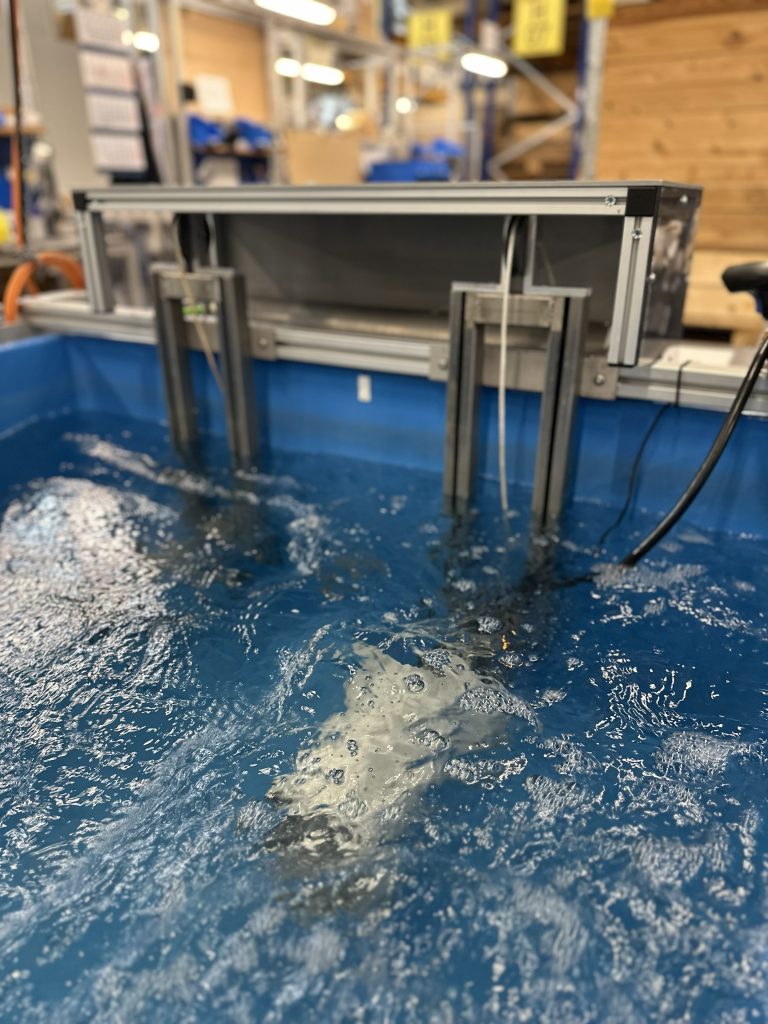
Once all assemblies have been completed, the final inspection begins. Motors, turbines, control cabinets and operating elements undergo complete testing. The products are approved for shipping only after they have passed the functional test.
Development Based on Practical Experience
The development of new solutions is another important part of BINDER’s operations. The company works closely with pool builders, specialist retailers and users. Experts in motor technology, electronics, engineering and software support each project from the initial idea to series production.
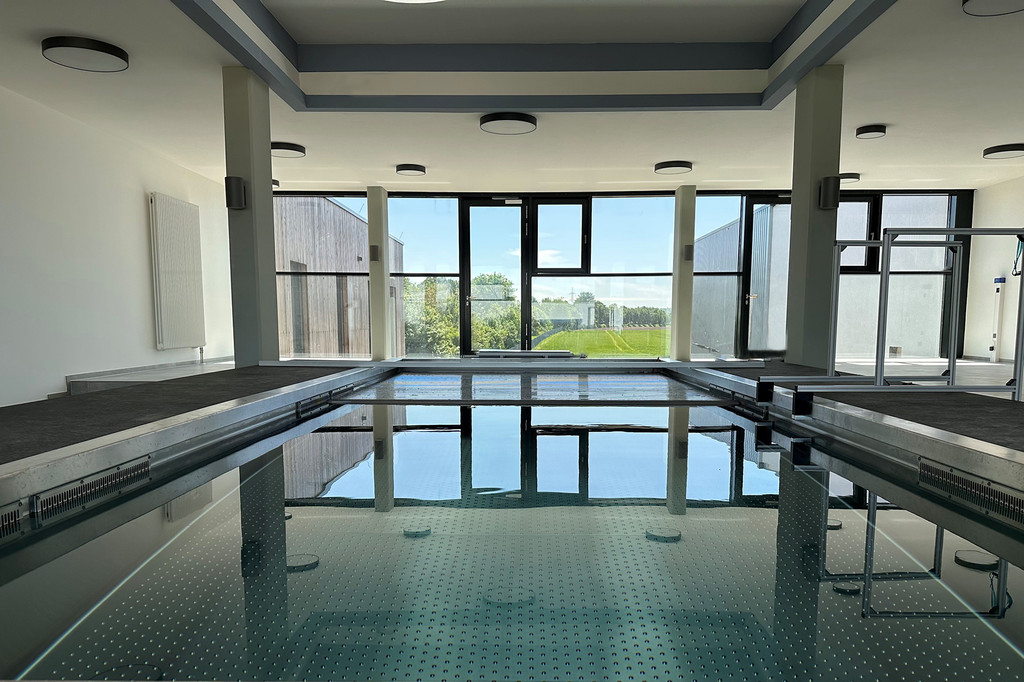
Modern CNC technology, 3D printers and in-house circuit board assembly allow the company to produce prototypes within a short period of time. Before a new product enters the market, it is tested under real operating conditions in the company’s showroom, which includes a pool. Visitors can also experience the counter-current systems themselves.
Direct contact with users and specialist partners is an important part of the development process. Many ideas come from practical experience and are then incorporated into new products.
“The best ideas are rarely developed at a desk. They come from discussions with our customers and are then tested under real operating conditions. This close connection to practical applications has supported our development work for many years.”
Responsibility for the Future
BINDER also follows a consistent approach to sustainability. The new headquarters uses photovoltaic systems and a floor activation system to regulate temperatures in the production and administration areas.
More than 90 per cent of the production materials come from Germany. A large proportion is sourced within a radius of less than 100 kilometres. Short transport distances and long-term relationships with regional suppliers also contribute to the company’s sustainability strategy.
The company places additional emphasis on durability and repairability. Instead of replacing components immediately, BINDER completely overhauls and technically refurbishes winding shaft motors, for example.
For BINDER, sustainability involves more than the energy-efficient operation of its facilities. Durable products, short supply routes and the ability to maintain existing systems over many years are equally important.
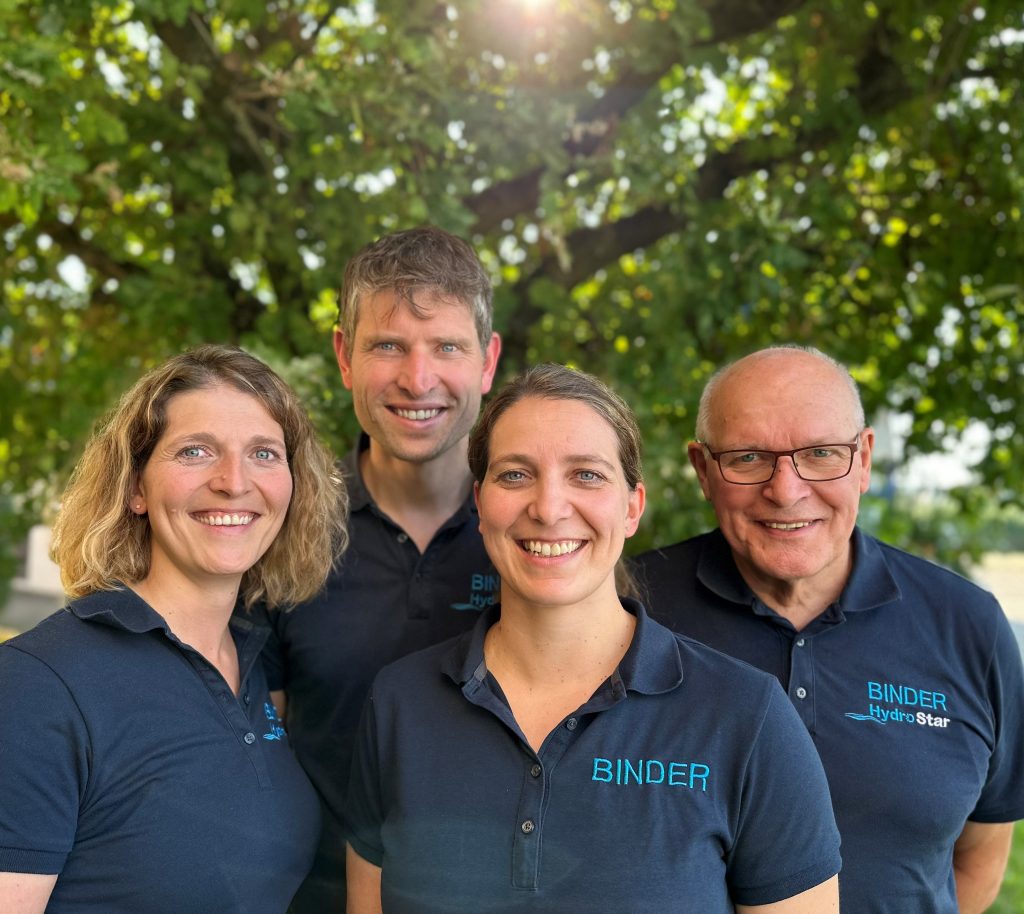
“Sustainability does not begin with energy consumption alone. Durable products, short supply routes and the option to repair components instead of replacing them are just as important,” says Felix Binder.
The Hameln facility therefore produces more than counter-current systems. Important stages of the value chain remain in-house, from the initial machining of raw materials and the production of key components to final inspection.
This high level of in-house manufacturing allows BINDER to influence quality, functionality and design in detail. It also differentiates the company from many competitors and provides the basis for counter-current technology used throughout Europe.
Felix Binder describes the main advantage: “Our customers do not simply purchase a counter-current system. They receive a complete solution that combines development, manufacturing, quality control and decades of experience from a single source.”