In the specialized world of swimming pool covers, few manufacturers can point to a company history spanning half a century. BAC pool systems, based in Ettlingen, Germany, has grown from a small regional operation into one of the established players in the European pool cover and roll-up systems sector — a niche industry segment that sits at the intersection of construction, engineering, and leisure infrastructure.
A Company Built on Transformation
The company traces its origins to 1975, when Alpha Vogt was founded in Wurmberg as a specialist in pool covers, solar systems, and water filtration. By 2003, having relocated and rebranded as Alpha Covers, the firm had narrowed its focus to PVC profile extrusion — a foundational technology for the sector.
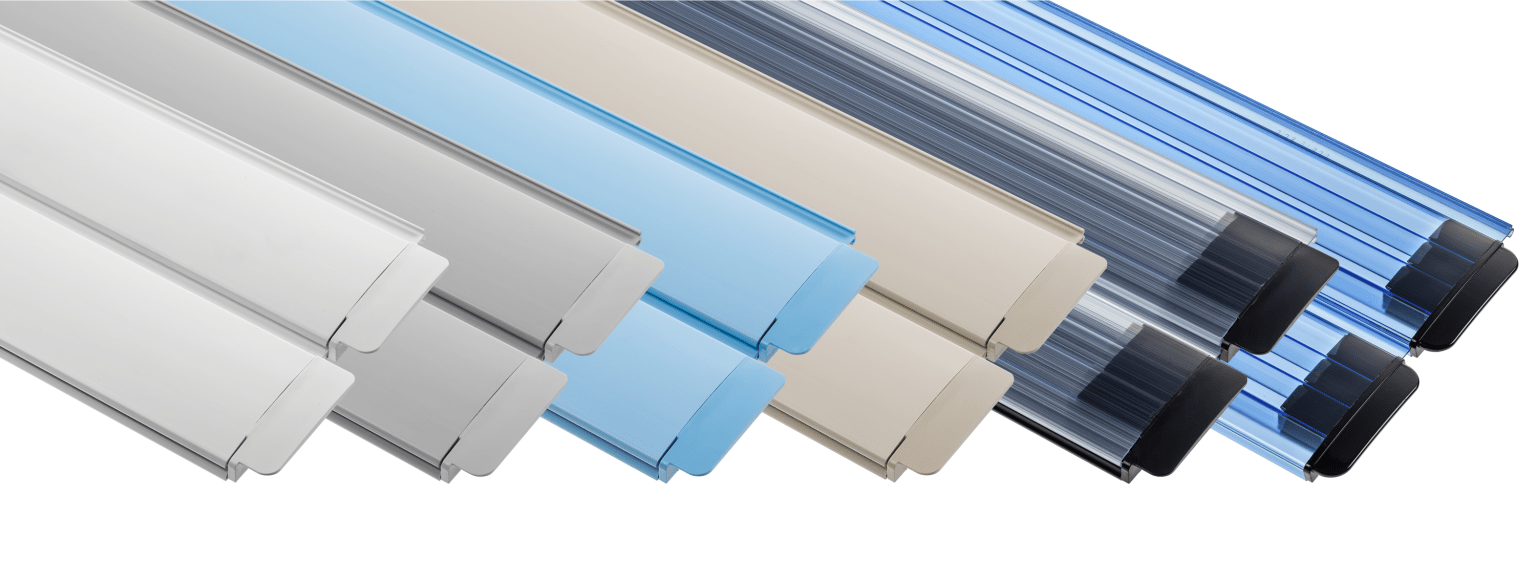
The decisive step came in 2005, when the company merged with Switzerland’s Bieri Poolcover Systems AG, a manufacturer of automatic safety covers, forming Bieri Alpha Covers GmbH. This kind of cross-border merger is a recurring theme in the pool cover industry, where German manufacturing capability and Swiss safety-cover engineering have historically complemented each other. Further acquisitions followed — the private product line of PAMAG (Pam Pionier) in 2010, the Swiss firm Gygax in 2017, and PAMAG’s public/municipal product line in 2018, the same year the company adopted its current name, BAC pool systems.
Most recently, in 2025, BAC pool systems became a member of the Fluidra Group, one of the world’s largest pool and wellness equipment companies. This step reflects the continued consolidation trend in the industry, aligning a specialist regional manufacturer with a global player and giving BAC access to broader international resources, distribution networks, and R&D capacity, while continuing to operate its established brand and dealer relationships.
Positioning Within the Cover and Roll-Up Segment
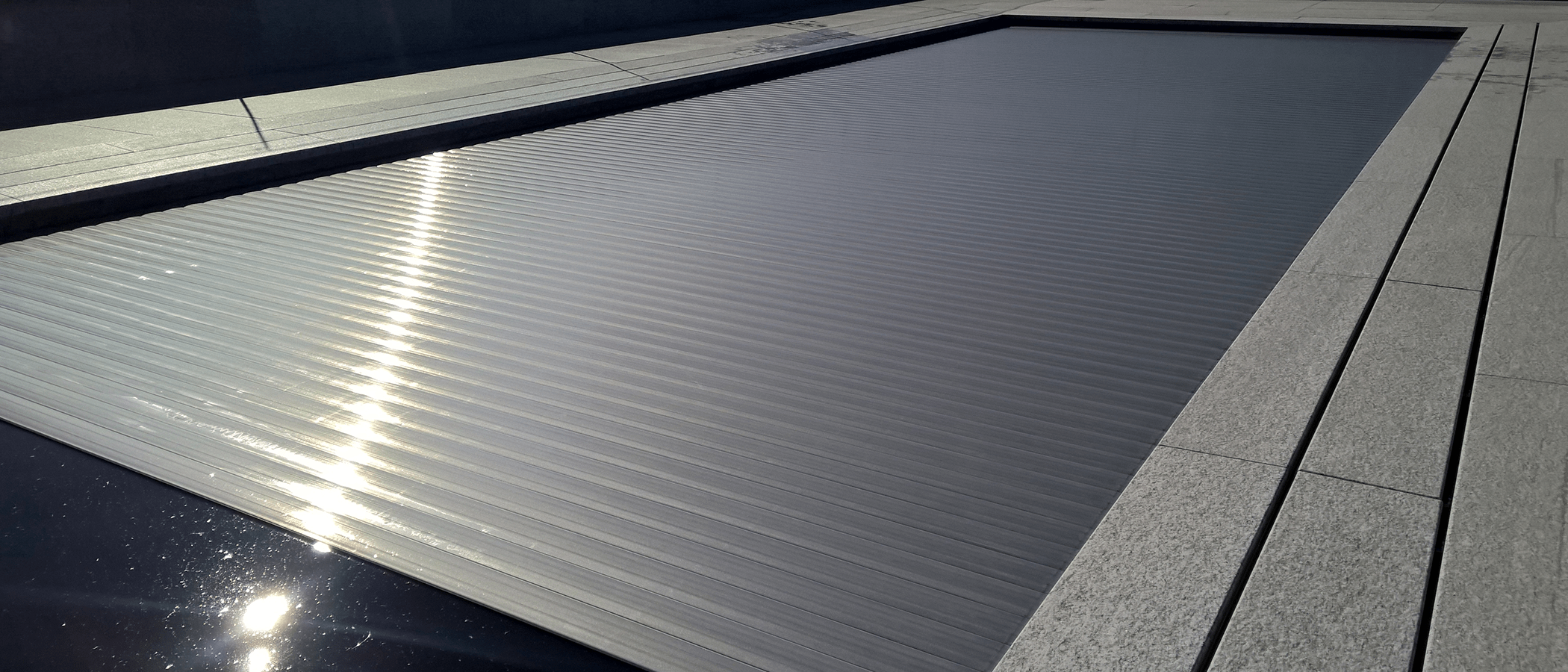
Within the pool industry, cover systems occupy a specific niche: they sit between pool construction, safety compliance, and energy efficiency. BAC’s product development reflects all three pressures. Since beginning in-house PVC profile production in 2003, the company has expanded into roll-up systems, tubular motor-driven winding shafts, and large-scale installations for hotels, spas, and public pools — segments that require different engineering standards than residential covers.
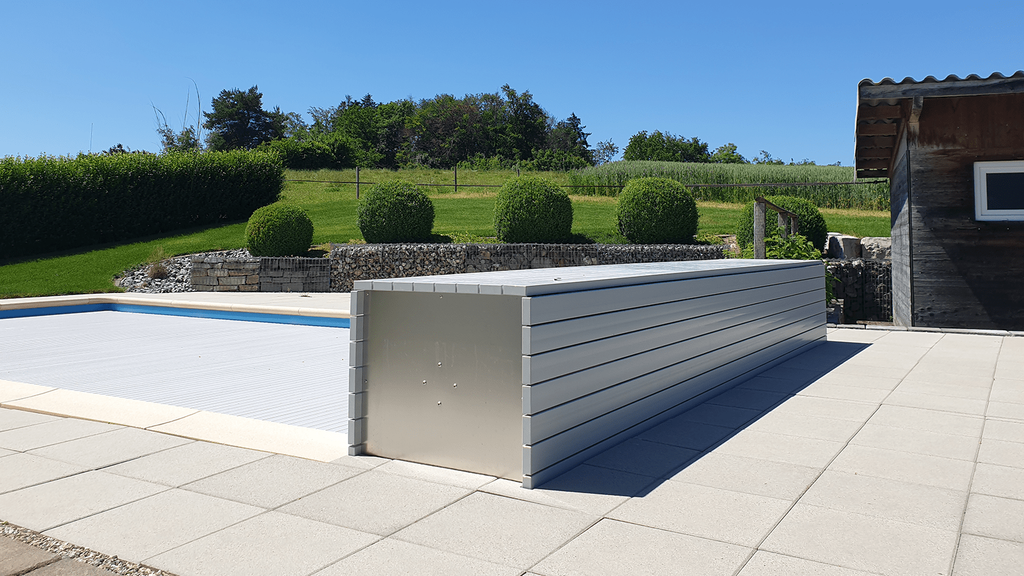
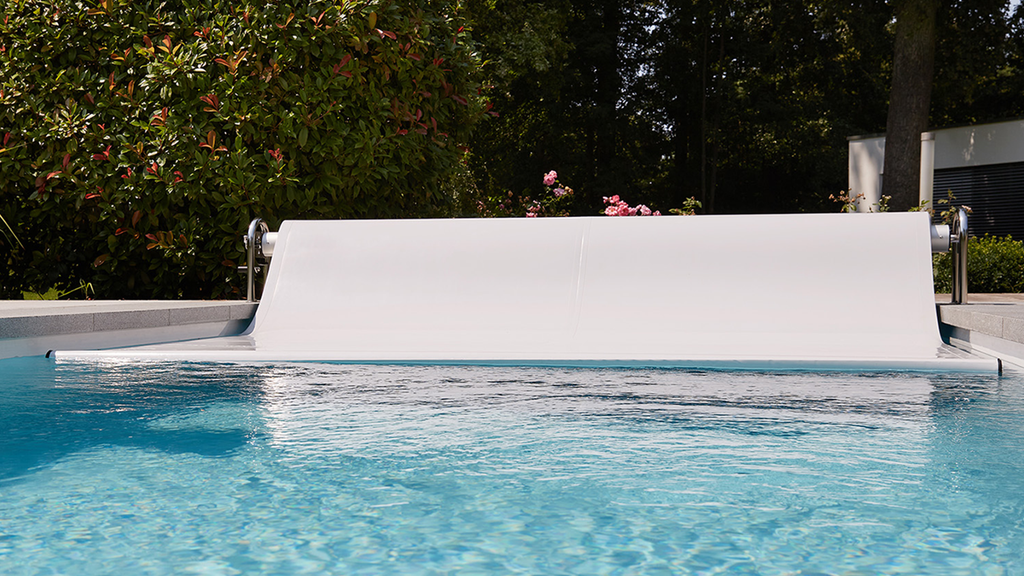
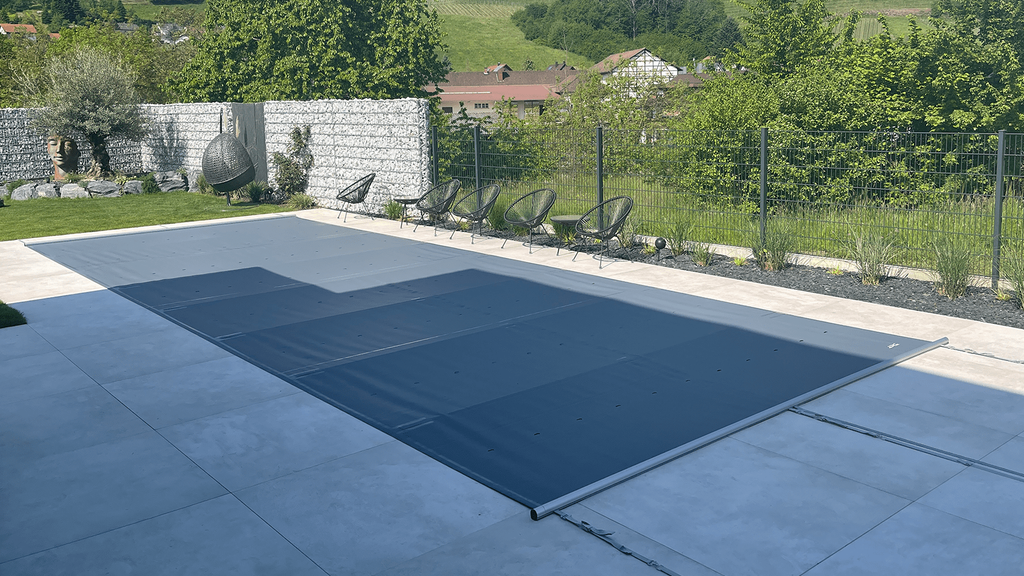
Safety certification has become an increasingly important differentiator in this industry, particularly in France and Switzerland, where regulatory standards for pool safety covers are strict. BAC’s certification of its safety cover models to the French NF P 90-308 standard, and repeated hail-resistance (VKF) certifications for its Rollmatic PVC and polycarbonate profiles, reflect the compliance demands manufacturers face when selling across European markets with varying national standards. The company’s polycarbonate slat covers, produced via tri-extrusion, also point to a broader industry shift toward more durable, weather-resistant materials beyond standard PVC.
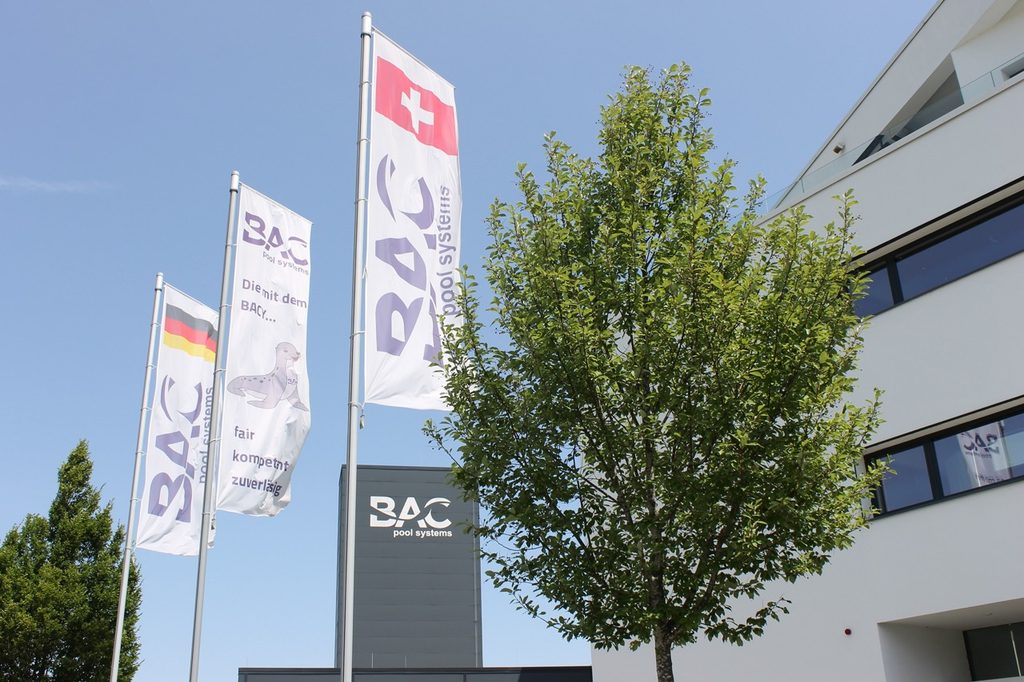
A proprietary tubular motor — developed in 2015 in partnership with a renowned German motor manufacturer — together with an individually developed control system and a maximum in-house manufacturing depth, underline BAC’s commitment to offering high-quality solutions precisely tailored to each application. In doing so, the company does not limit itself to supplying products for the private sector; over the past decades, it has also built a reputation as a reliable manufacturer of communal/municipal pool cover systems.
Sustainability Pressures in Manufacturing
Like much of the manufacturing sector, pool cover producers face growing scrutiny over material waste and energy use — an inherent challenge for an industry built on custom, made-to-measure fabrication. BAC reports recycling programs for production waste through an external specialist firm, citing measurable CO2 savings since 2020, along with waste-heat recovery from production machinery to heat its own facilities and a preference for regional suppliers to shorten supply chains. In 2025, BAC reaffirmed its commitment to sustainable production by installing a 500 kWp solar plant to reduce its reliance on conventional energy sources.
Trade Association Membership as Industry Signal
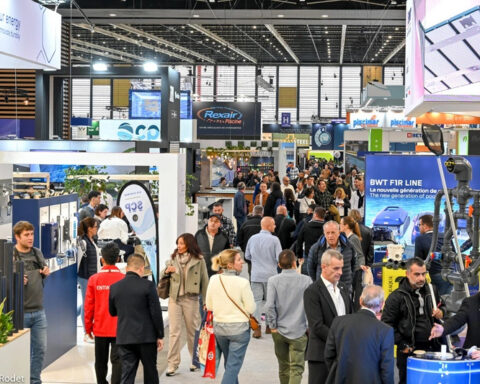
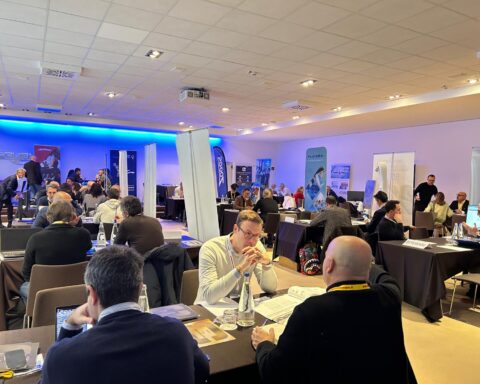
BAC’s involvement in trade bodies — the German Bundesverband Schwimmbad & Wellness (bsw, member since 2000), the pan-European dealer networks Topras and Sopra, and Austrian and Swiss associations including ÖVS, DBM, and Aqua Suisse —underlines BAC’s commitment to a strong, professional and united dealer network with personal relationships. BAC relies heavily on independent specialist dealers rather than direct-to-consumer sales, making these networks central to market access and technical training.
Scale Within a Niche Market
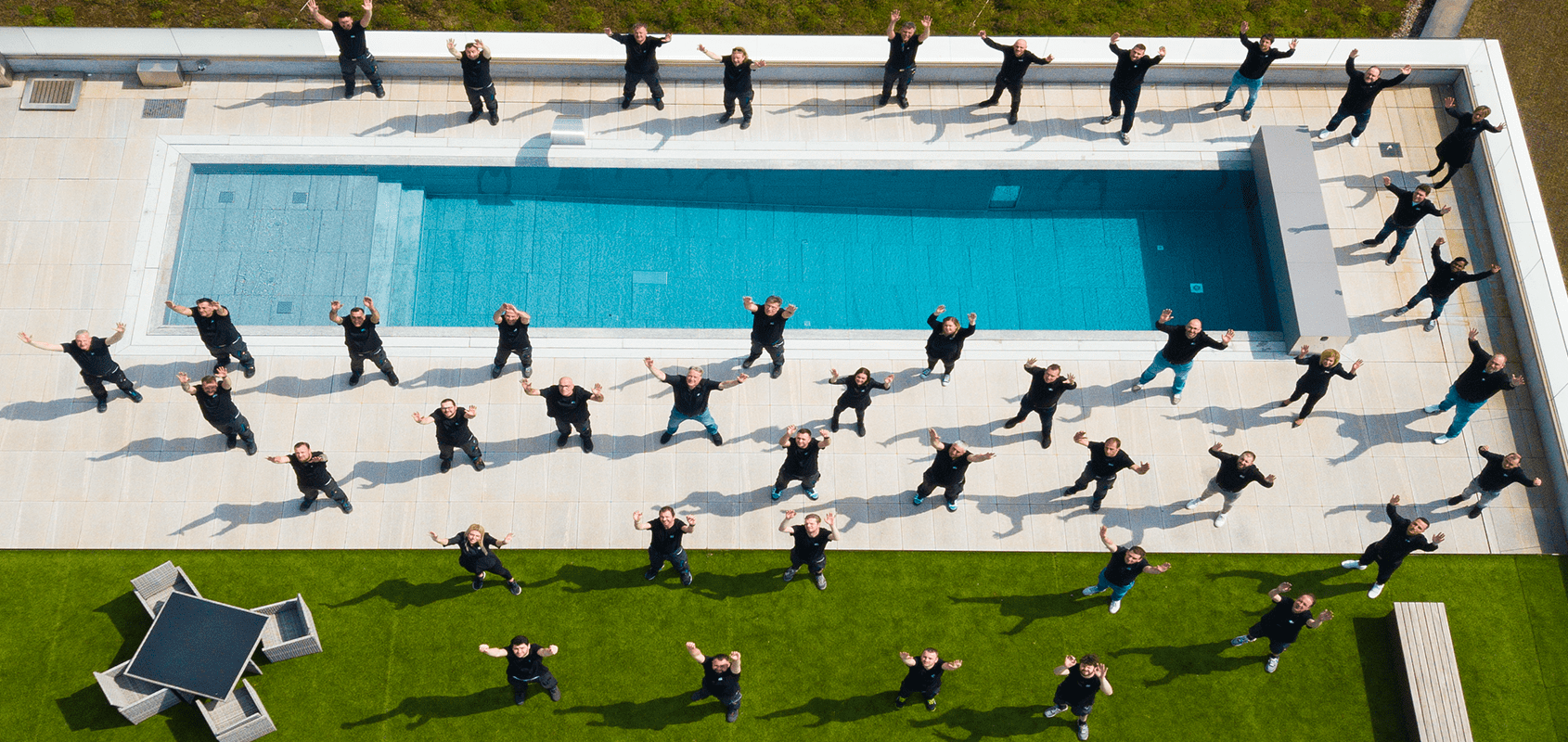
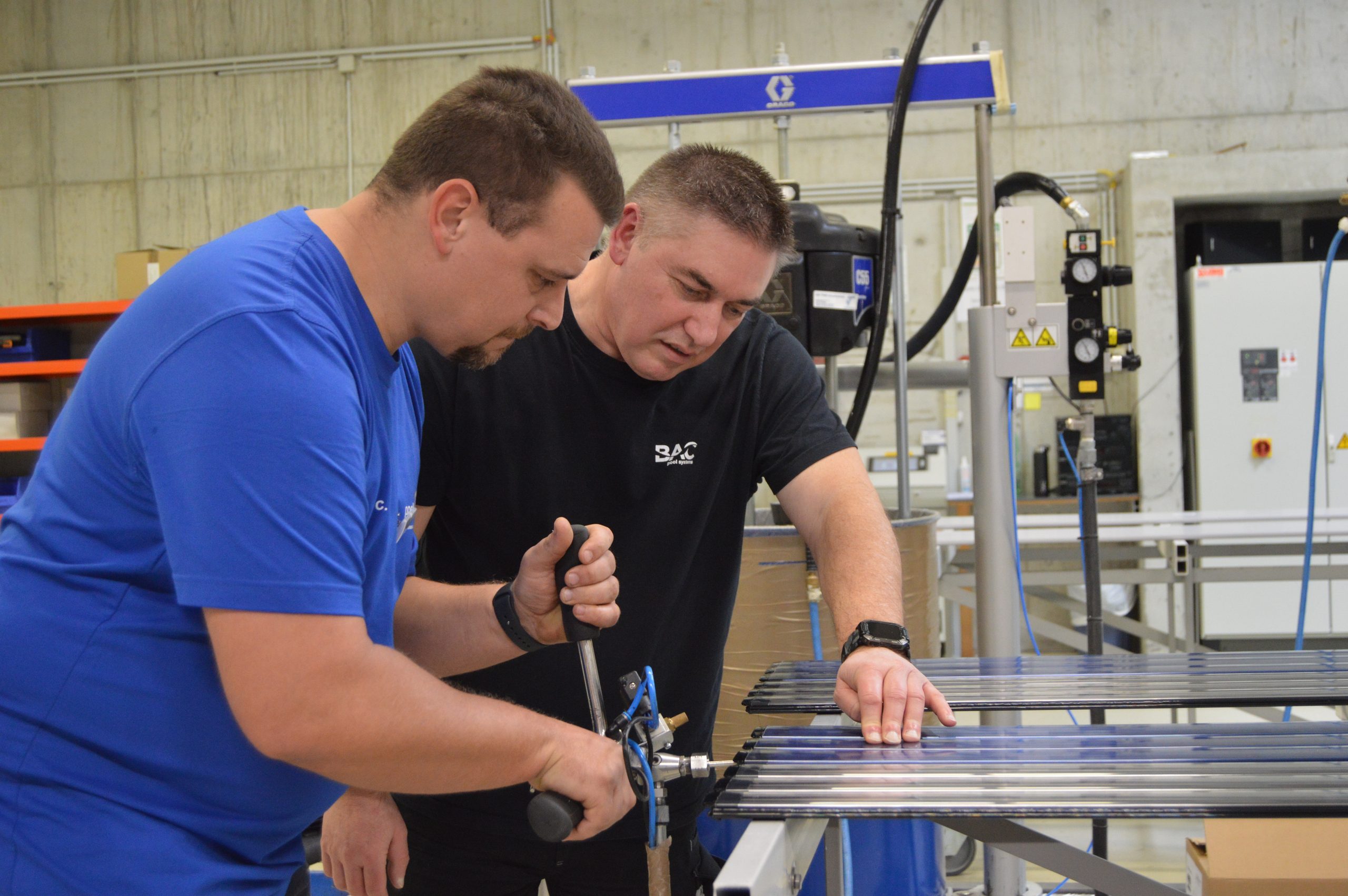
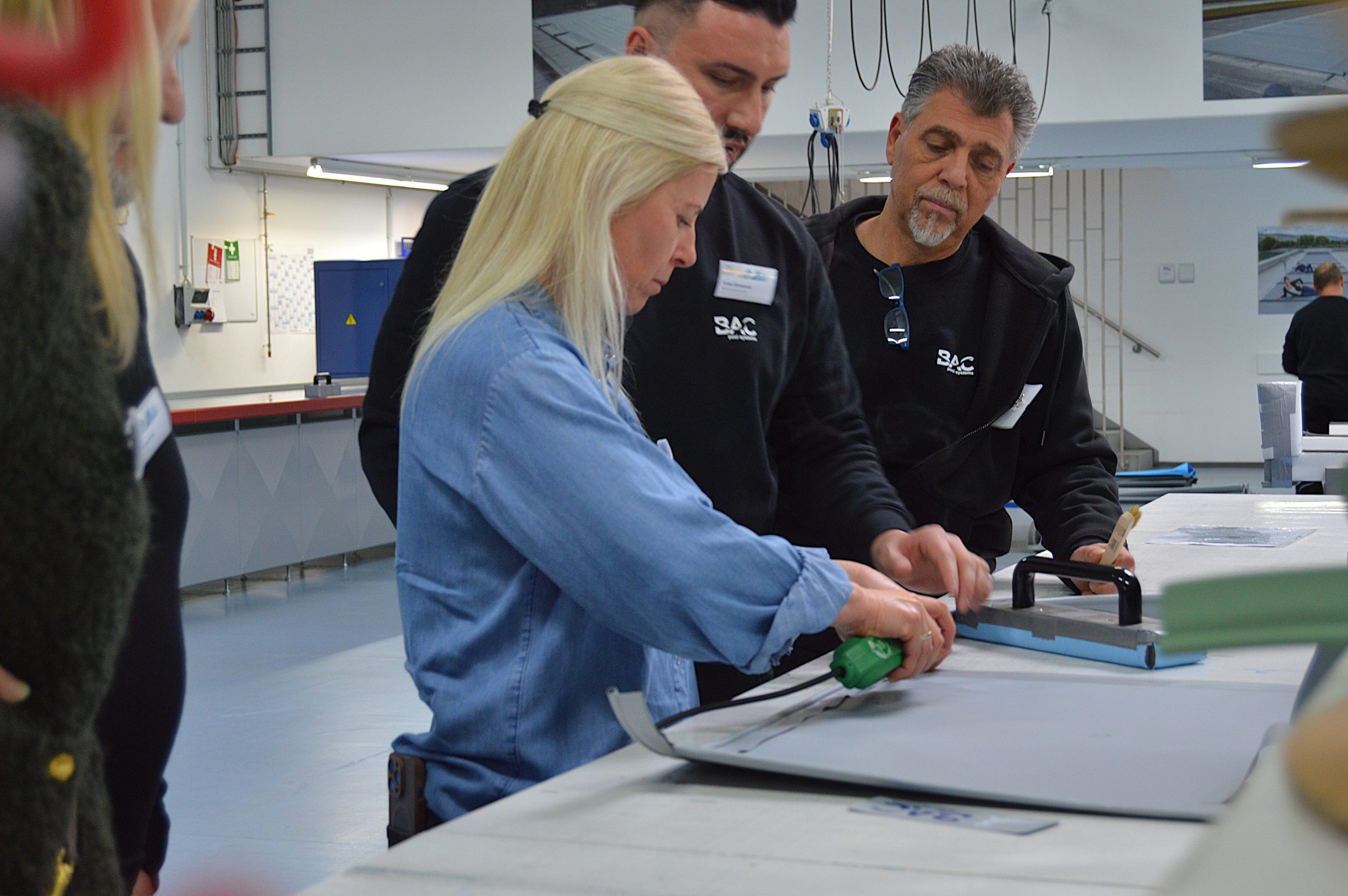
With close to 60 employees across sales, engineering, production, quality control, and shipping, BAC remains a mid-sized specialist rather than a mass-market manufacturer — typical of a pool cover industry still dominated by family-founded or family-descended companies serving through regional dealer networks rather than large retail channels.
BAC’s personal company culture is reflected in a well-balanced workforce structure, combining long-serving, experienced employees with young, creative colleagues who bring innovative, customer-oriented impulses into the company.