Last year concluded with swimming ranked as the third most popular sport in Italy, yet the industry’s economic sustainability now hinges on smart facilities and expert management of integrated services.
The Italian swimming industry closed 2025 with conflicting signals, navigating a balance between strong public approval and chronic management challenges. According to the study “Sport in Italy: Fans and Practitioners by Discipline in 2025,” conducted by Nielsen Fun Insights on behalf of the Tennis and Padel Federation, swimming has confirmed its status as a cornerstone of national sport. The survey, involving a sample aged 16 to 69, placed the discipline third in terms of practitioners (5.5 million) and fifth by fan volume, reaching 13.6 million people.
Infrastructure figures
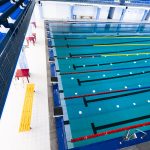
The landscape of Italian infrastructure is vast but marked by time. To date, there are more than 4,800 swimming pools, including fitness centers, private clubs, and seasonal outdoor tanks, over 62% of which are public facilities. However, a critical figure emerges: the average age of these structures exceeds 40 years. This obsolescence, combined with energy consumption and the constraints of fixed tariffs within concessions, represents the main obstacle to innovation and economic viability for operators.
Trends and growth strategies
Despite structural hurdles, the sector demonstrates remarkable vitality. At the end of 2025, many facilities reported increases in revenue and memberships, with peaks reaching double digits. Success appears to lie in the adoption of an integrated model:
- Multiplex offerings: The synergy between pool and fitness activities remains the primary driver.
- Differentiated services: Aquatic courses, wellness programs, and rehabilitation allow facilities to engage cross-generational age groups.
- Emotional drivers: Beyond physical fitness, users seek emotions and role models to emulate through sport.
Outlooks for the hospitality sector
The data highlights a strategic opportunity for the hospitality industry as well. Replicating the successful models of fitness centers within hotel pools could transform these amenities into essential revenue hubs. The challenge for hotels will be to focus on health and well-being, utilizing professionals capable of integrating the water element with high-profitability services.
Sources: Federazione Italiana Nuoto, Professione Acqua, Ha Pool Construction
Photo: Thomas Park for Unsplash