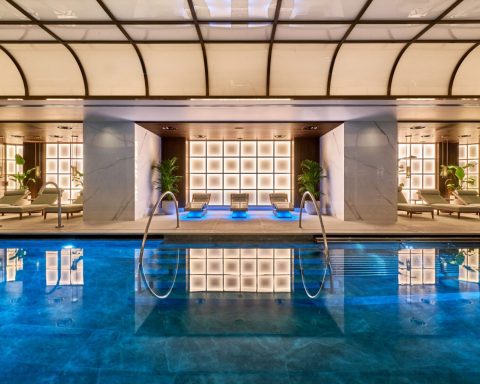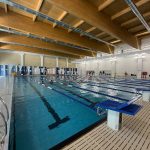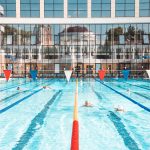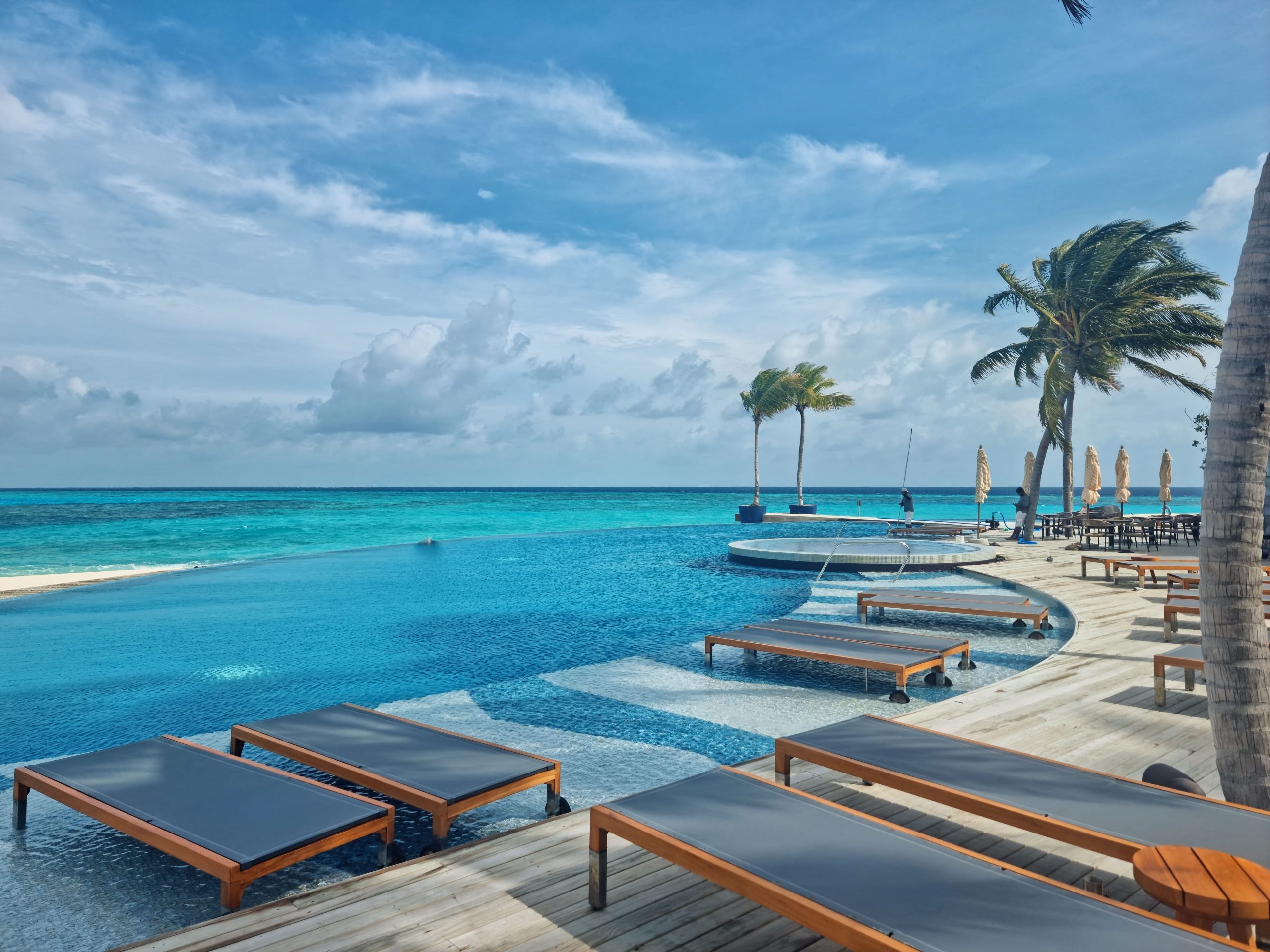
Faced with the maturation of the residential market, public and tourist aquatic facilities offer major growth prospects. The renovation of an aging infrastructure park and the upgrading of tourism represent a sustainable diversification opportunity for qualified businesses.
Long reserved for a handful of specialized large groups, the market for shared aquatic facilities is opening widely to SMEs in the sector. Indeed, growing demand for public and commercial pools is transforming this segment into a strategic expansion vector for professionals looking to secure their turnover.
An aging public infrastructure park urgently in need of modernization
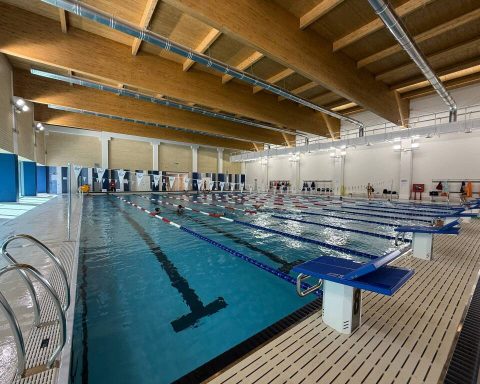
The technical assessment speaks for itself. Roughly half of the French municipal and community pool inventory is over thirty years old, placing thousands of basins in a state of advanced obsolescence.
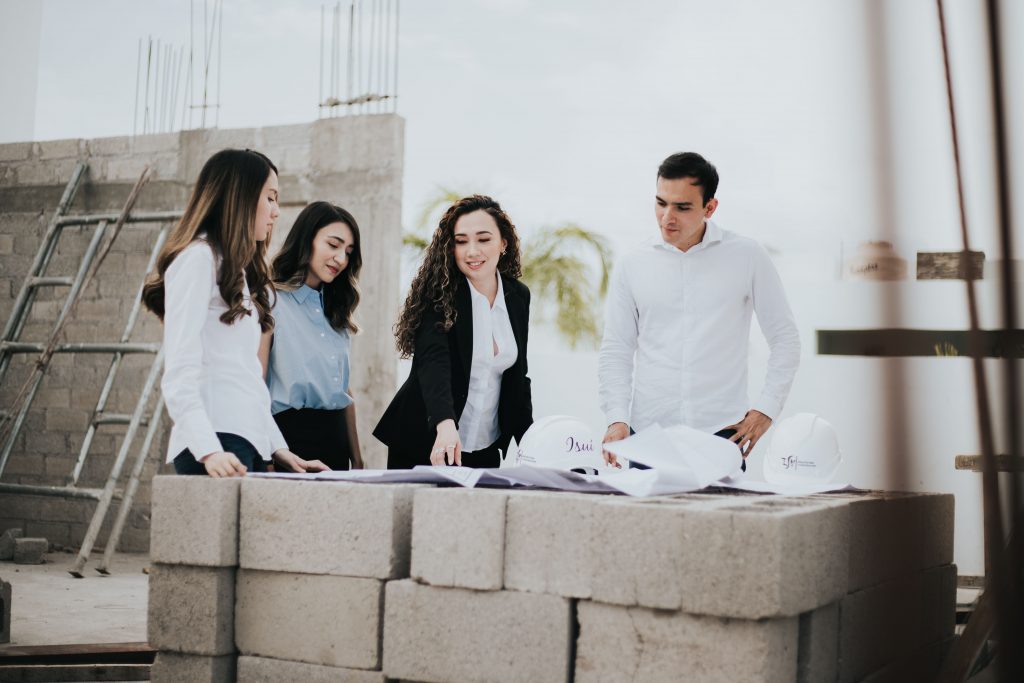
Between energy-hungry filtration systems, failing waterproofing, and accessibility compliance updates, rehabilitation needs are massive. Unlike residential projects that depend on short-term consumer purchasing power, the refurbishment of public infrastructure relies on multi-year municipal budgets, thereby guaranteeing excellent commercial visibility.
Outdoor hospitality seeking appeal
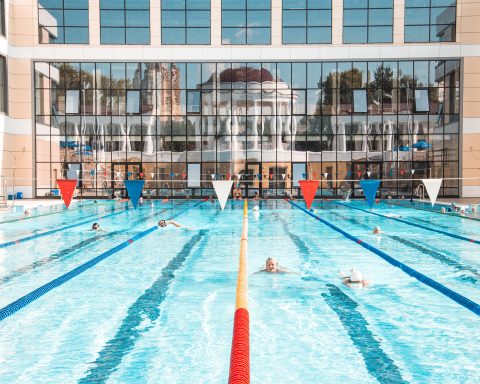
Alongside municipal facilities, open-air hospitality and holiday residences are strongly stimulating demand. To appeal to demanding clienteles, campsites and tourist complexes are investing heavily in the creation or modernization of complex aquatic spaces.
These developments frequently incorporate heated lagoons, wellness zones, and smart water management systems. For seasoned installers, these projects represent high-value-added jobs, combining hydraulic technicality and aesthetic requirements.
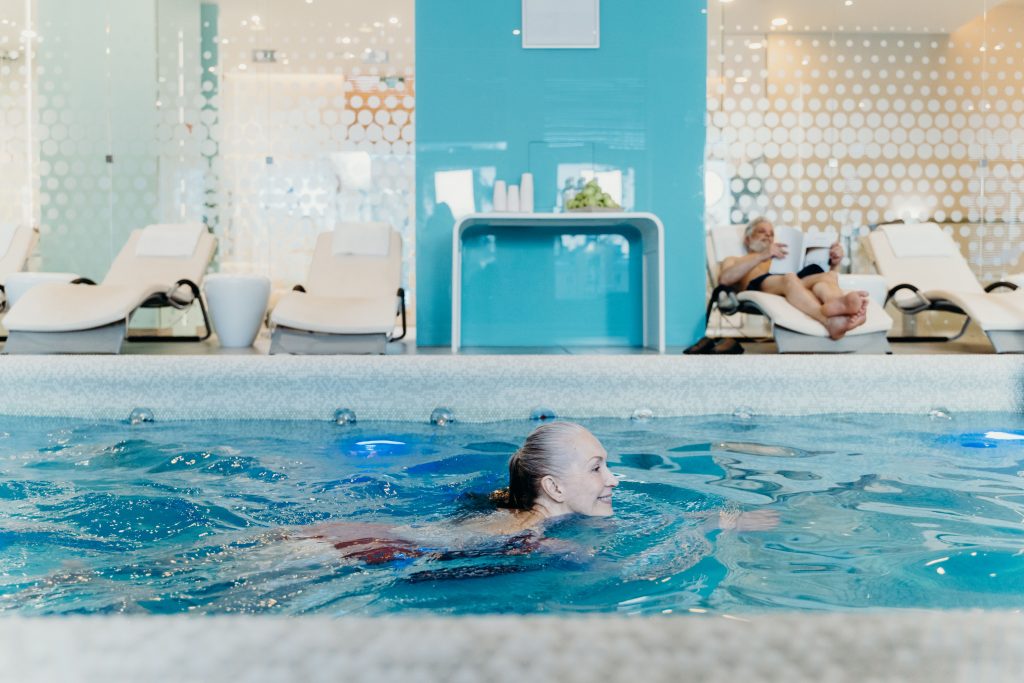
High regulatory and technical requirements
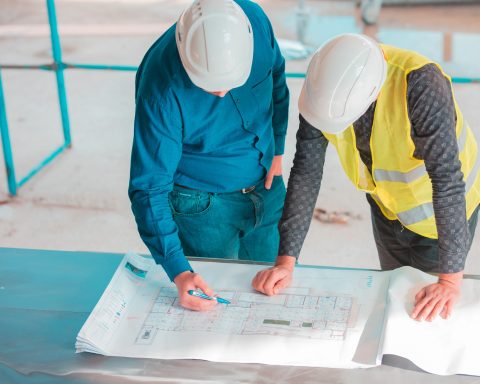
However, making a mark in this market requires meticulous preparation. Working in establishments open to the public requires mastering public procurement procedures and possessing a thorough knowledge of strict health standards dictated by health authorities.
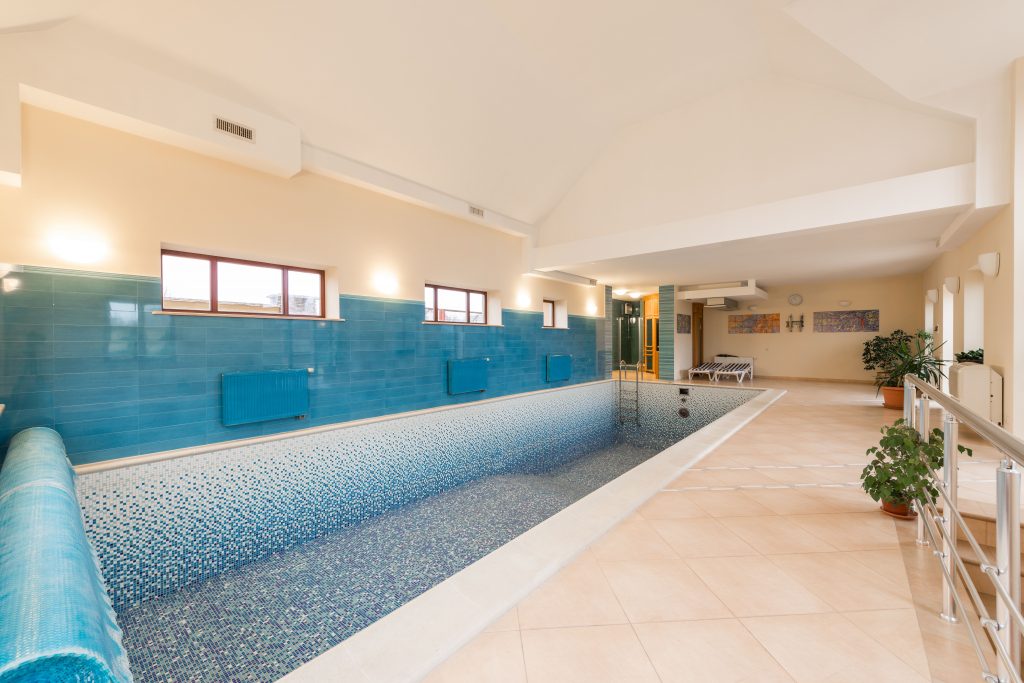
This administrative and technical rigor partly explains why competition remains less aggressive here compared to the often fierce competition in the residential segment. Companies that invest in training their staff on public pool regulations thus build a solid competitive advantage.
An ideal lever to smooth annual activity
Beyond financial gains, diversification into collective infrastructure helps regulate workload distribution throughout the year. Public infrastructure rehabilitation works mostly take place in autumn and winter, during the closure period of public or tourist pools.
Consequently, this calendar complementarity offers an effective solution to maintain technical team activity outside the spring rush. As the sector seeks to consolidate its positions, the collective pool segment emerges as a promising path to build solid and sustainable growth.