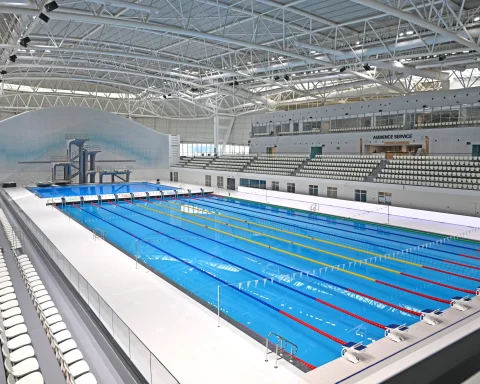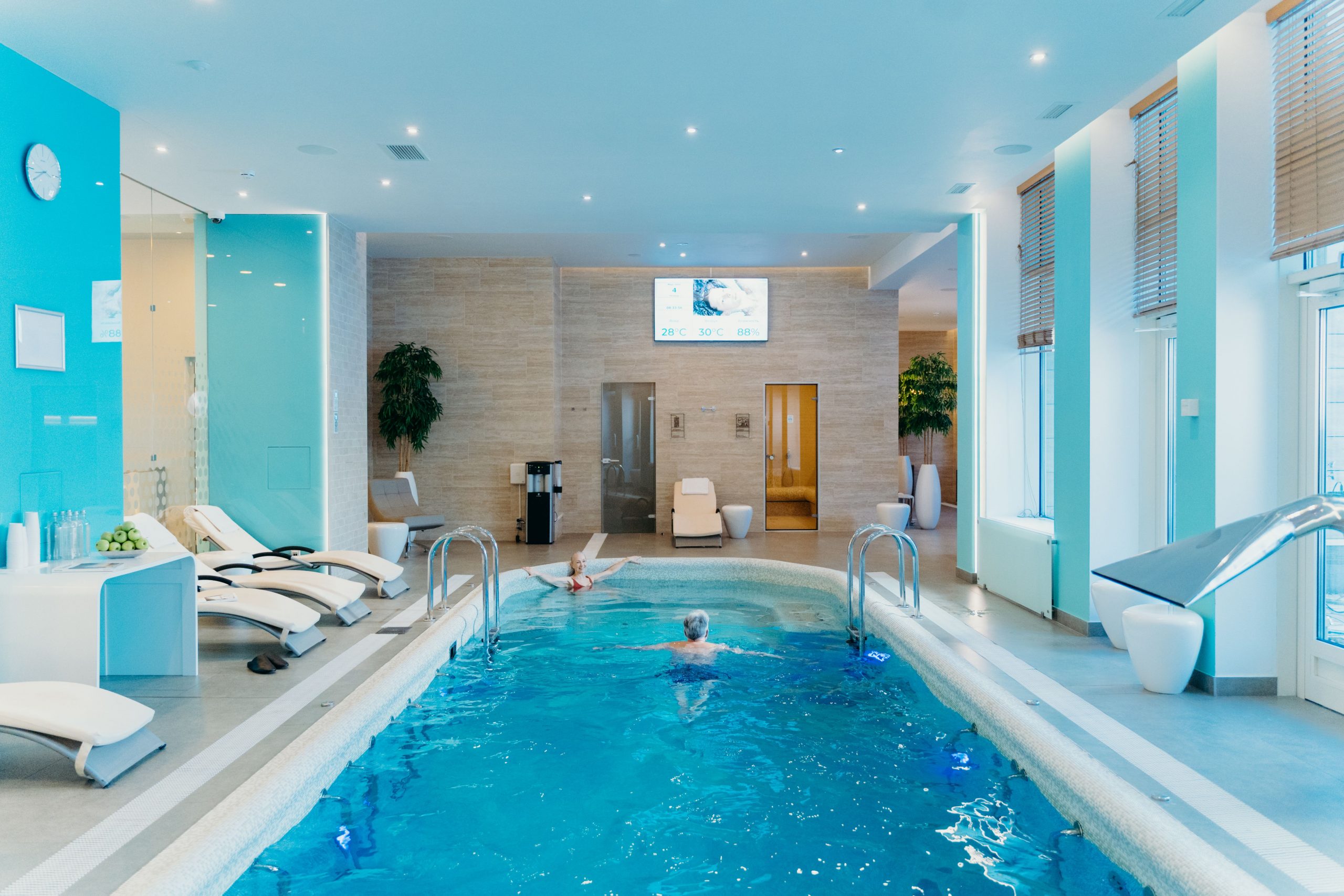
For years, the commercial wellness market was divided into two distinct worlds: massive thermal centers on one side, and simple private hot tubs on hotel terraces on the other. Today, that line has completely blurred. Driven by an unprecedented demand for year-round tourism, hotels, campsites, and holiday villages are aggressively investing in collective spa areas, sensory hydrotherapy circuits, and public wellness zones.
For pool builders, installers, and water treatment specialists, this structural shift represents a massive B2B growth driver. However, conquering this market requires shifting away from residential mindsets to embrace the complex reality of commercial public-access facilities.
Beyond the Hot Tub: The Rise of Tailor-Made Hydrotherapy Circuits
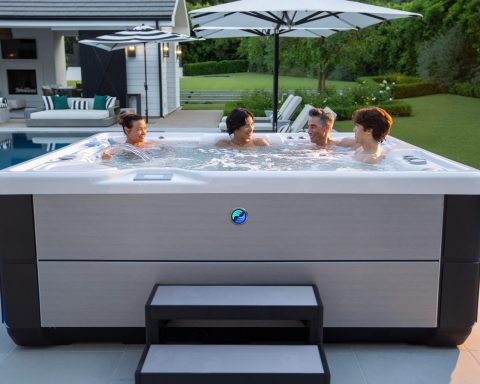
The days of simply dropping a plug-and-play acrylic hot tub onto a resort deck are gone. Hospitality managers now demand fully integrated, bespoke wellness spaces that act as architectural centerpieces. The trend is moving toward custom-built concrete tiled spas, overflowing infinity whirlpools, and sensory reflexology walking paths.

For industry professionals, this means the average basket size per project is exploding. Hoteliers are no longer just buying a product; they are purchasing a complete hydraulic and aesthetic concept. To win these contracts, pool and spa builders must position themselves as master craftsmen capable of collaborating directly with architects to integrate steam rooms, saunas, and commercial spas into cohesive, high-end guest experiences.
The Ultimate B2B Challenge: Heavy-Duty Hydraulics and Commercial Compliance
Transitioning from residential pool and spa installations to public wellness zones is a major technical leap. While a residential hot tub accommodates a single family, a commercial hotel spa handles dozens of different bathers every hour, creating an organic load that tests water filtration systems to their absolute limits.
Industry experts emphasize that commercial spa engineering requires entirely separate expertise:
- High-Frequency Turnover: Public spas require water turnover rates that are significantly faster than residential models—often renewing the entire volume in less than 30 minutes.
- Automated Multi-Parameter Dosing: Strict health and safety compliance leaves no room for manual checking. Continuous, automated monitoring of pH, chlorine, or bromine levels is mandatory.
- Heavy-Duty Filtration: Traditional sand filters are increasingly replaced by high-performance glass media or diatomaceous earth systems to trap microscopic impurities and chloramines.
Pool technicians who master these rigorous sanitary and safety regulations are securing highly lucrative, long-term maintenance contracts, as property managers cannot afford a single day of closure due to non-compliance.
Eco-Responsibility: The Tech Solutions Saving Commercial Operators
Water and energy consumption have become critical pain points for hospitality managers facing rising utility costs and summer restrictions. A commercial spa, continuously heated and aerated, can quickly become an energy sinkhole if not properly engineered.
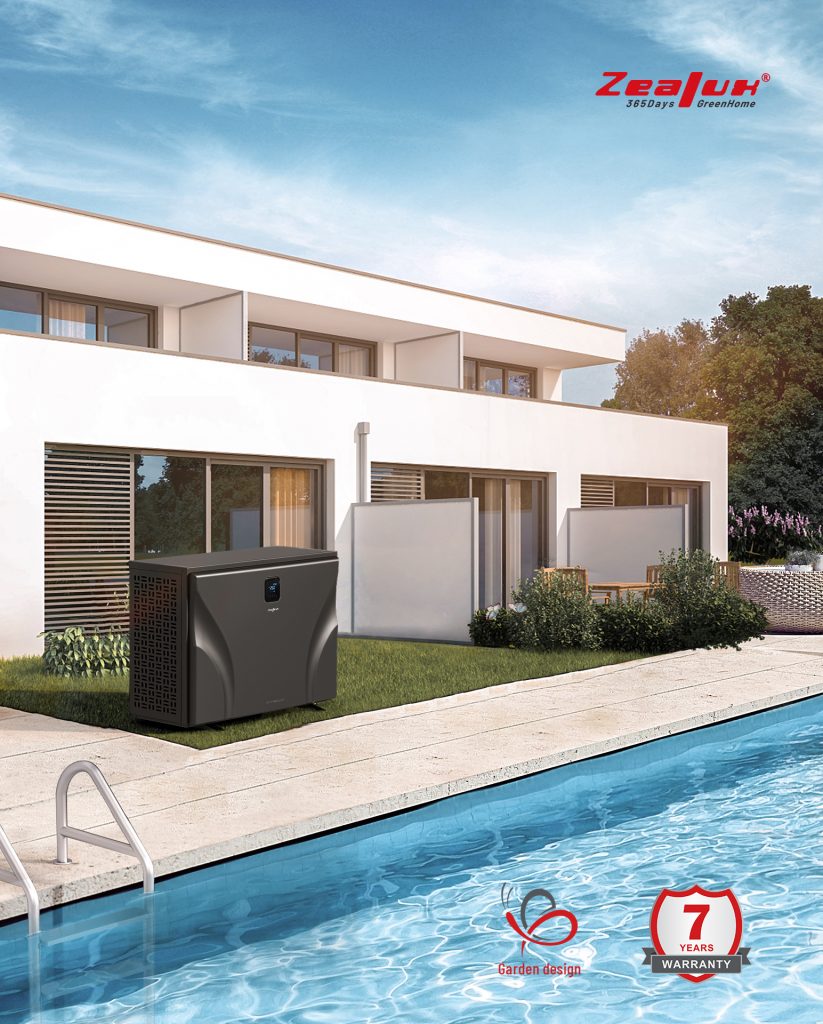
This is where specialized equipment manufacturers are stepping up with B2B innovations. The market is rapidly adopting commercial-grade variable speed pumps, heavy-duty titanium heat pumps, and automated thermal covers that reduce evaporation overnight. Furthermore, water recycling systems that recover backwash water for irrigation or secondary uses are becoming major selling points. Offering these eco-designed solutions allows pool professionals to justify higher upfront quotes by proving long-term ROI to business owners.

Securing Your Future with B2B Maintenance Contracts
Ultimately, the commercial spa and wellness boom changes the business model for pool professionals. A residential installation is often a one-off transaction; a commercial public facility is the beginning of a long-term partnership.
Because hospitality managers are hospitality experts—not water treatment engineers—the demand for outsourced professional maintenance is skyrocketing. Offering 24/7 remote monitoring services, proactive chemical management, and seasonal winterization packages ensures a steady, predictable recurring revenue stream for your business, long after the initial installation is complete.