Anyone who chooses a pool cover wants to ensure safety and cleanliness, while also selecting a visually appealing solution. Technics & Applications has been manufacturing automatic pool covers since 1995 and has continuously invested in production automation in recent years to guarantee efficiency and quality. Here we take a look behind the scenes and show how custom-made pool covers are created.
Innovation continues to shape the development of T&A. The company’s slats are based on a patented Quadro extrusion process combined with SIF technology. This approach enables a strong solar effect while reducing visible condensation and algae, resulting in a consistently clean and efficient pool cover system. But how are these slats actually produced?
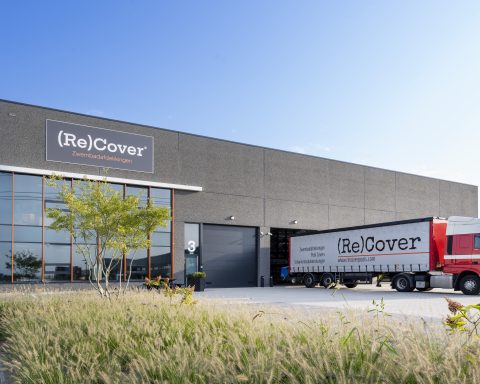
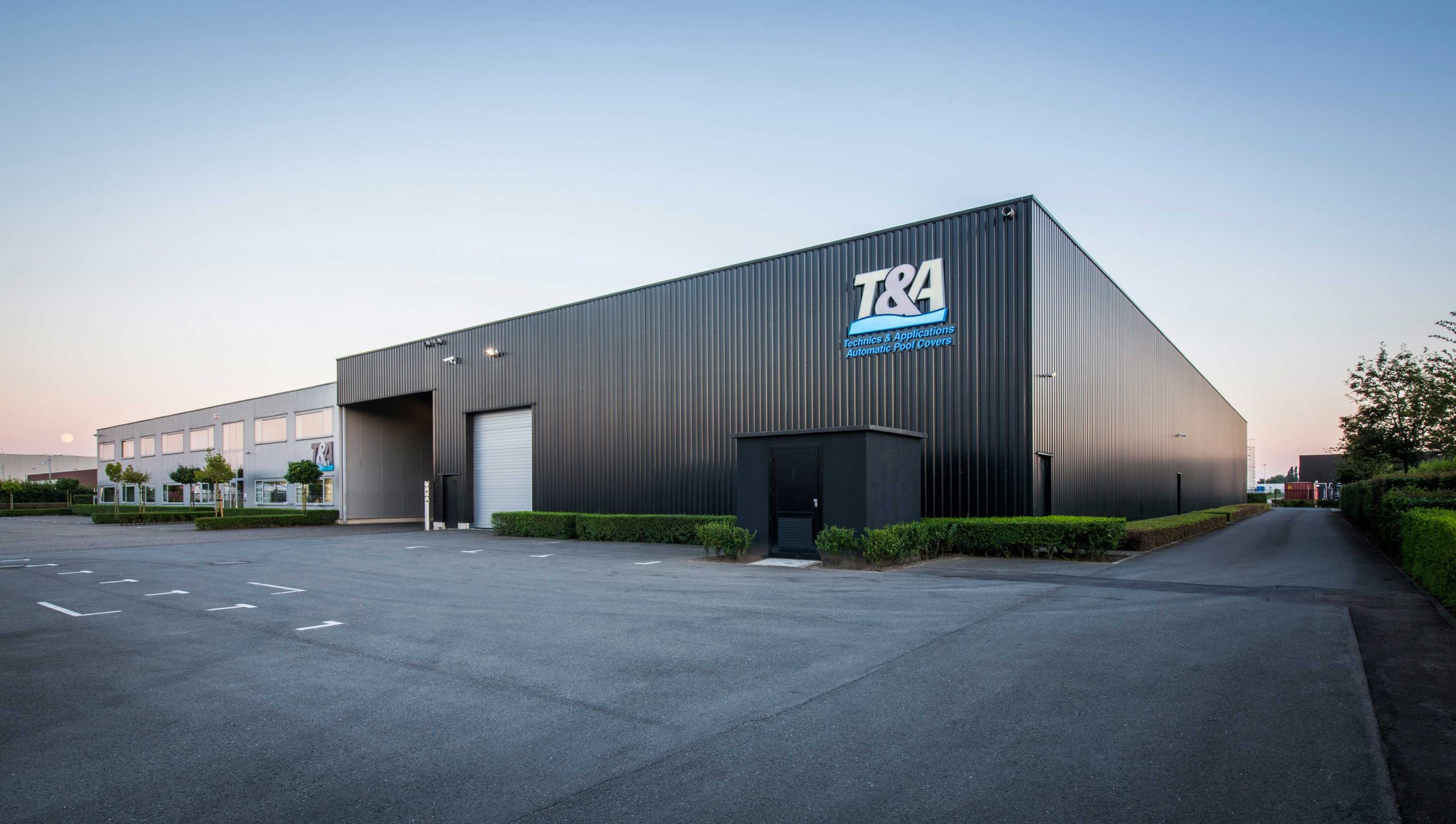
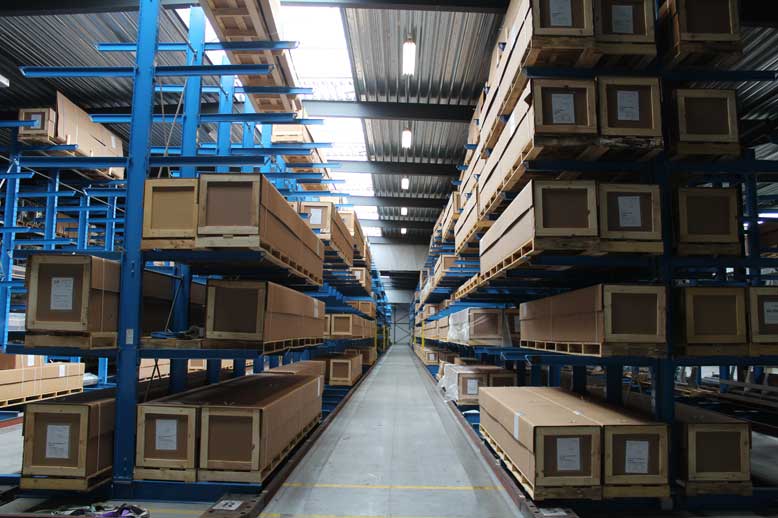
The main production site of T&A is located in Geel, Belgium, and covers 20,000 square meters. More than half of this space is used for production, while the remaining area is dedicated to storage. The slats are the most important part of a pool cover. T&A offers two different slat profiles: a 3 chamber standard profile and a wider 4 chamber premium profile.
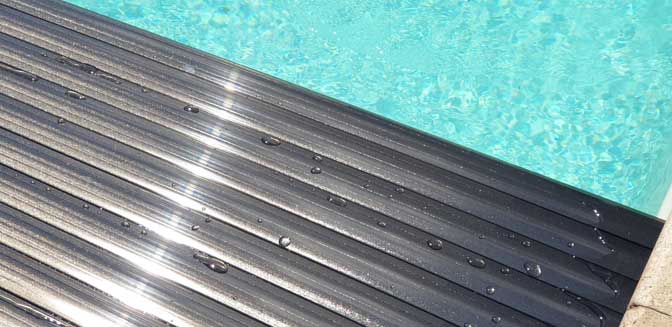
The latest polycarbonate slats are produced using the Quadro extrusion process. This technology is unique in the pool cover industry and enables a durable and impact resistant solar slat that combines solar performance with anti algae and anti condensation properties. The extruded profiles are manually checked for quality and cut to size. The freshly cut ends are brushed to smooth the surfaces for further processing.
The slats are then transferred via a rolling mechanism into the automated production section. End caps are installed, a UV resistant top layer is applied, and an automatic inline quality control is carried out. T&A places great importance on these checks. For this reason, the product components are inspected several times throughout the entire production process.
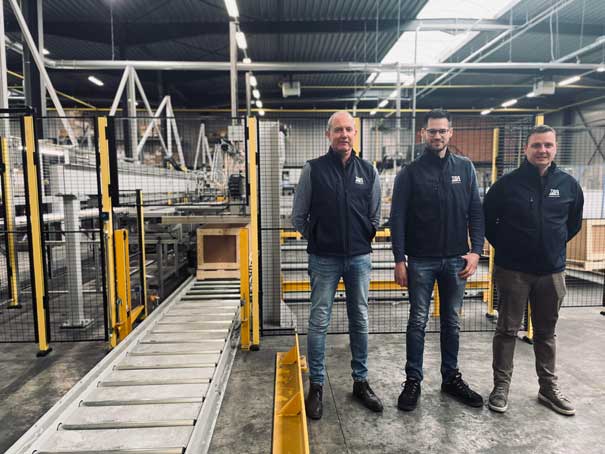
Since 2016, T&A has operated its own test facility, the T&A Quality Lab. Every day, the quality of raw materials and finished products is tested using pressure and tensile tests, dimensional checks, and visual inspections. During the development of new products, additional tests are carried out for aging, impact resistance, and UV resistance. In 2022, the production team was strengthened with a full time quality controller dedicated exclusively to monitoring materials and products.
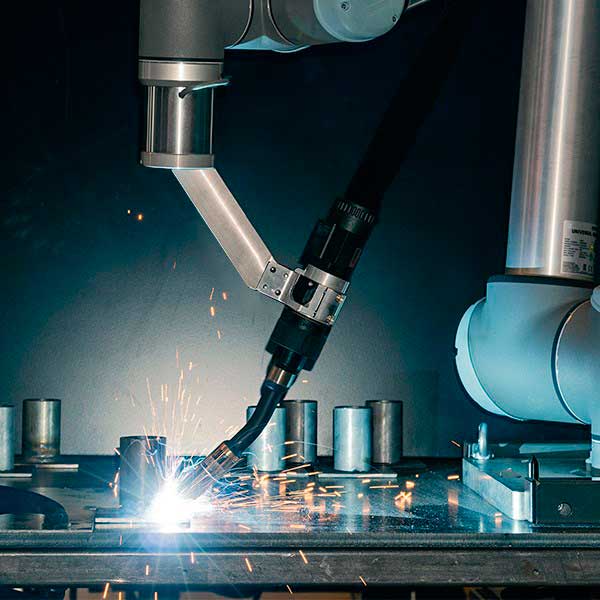
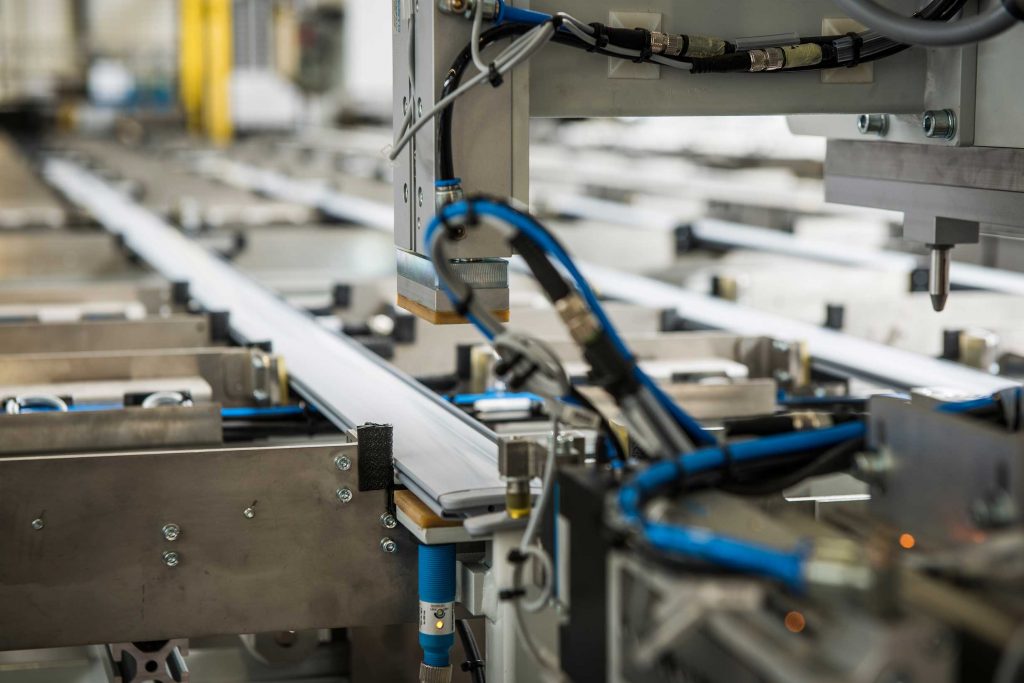
During the next step, the welding process, the slats must pass pressure and watertightness tests. T&A currently operates four automatic production machines for slats, two of which are used for cutting and ultrasonic welding. This increases the production capacity in Geel to 15,000 covers per year. At the end of production, the finished slats are carefully packed to ensure safe delivery to the installation site.
However, the slats alone do not define T&A’s automatic pool covers. The company offers a wide range of drive systems, including external electric motors, tubular motors, and hydraulic drives for larger pools. Only high quality stainless steel of type AISI 316L or 316Ti is used.
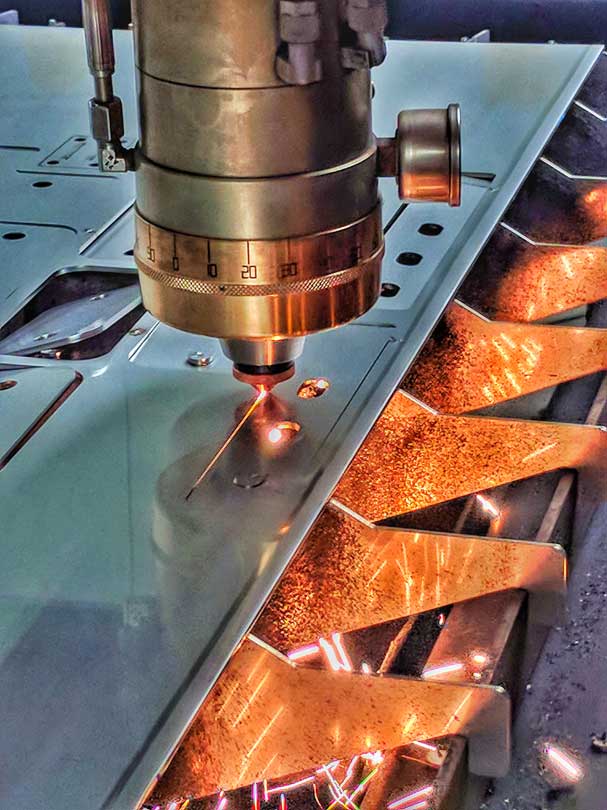
At the production site in Aarschot, components are laser cut, bent, and welded. This process is also largely automated, using equipment such as laser systems and robotic welding units. The Aarschot facility has more than 20 years of experience in stainless steel processing. In addition, control units for pool automation are manufactured at this location.
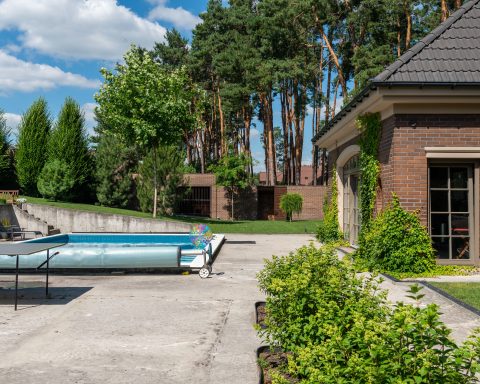
Finally, the system is installed on site. The slat elements are assembled and connected to the drive shaft.