Following two challenging seasons and post-pandemic volatility, pool and spa professionals are breathing a sigh of relief in early 2026. Backed by solid order books and positive signals across France and European markets, the industry enters peak season with renewed stability.
After two demanding years for business owners, the outdoor living and pool industry is finally leaving turbulent waters behind. The latest industry barometer published for the first quarter of 2026 presents a distinctly optimistic outlook. Despite broader macroeconomic pressures affecting household spending, the sector appears to have regained a steadier and more predictable growth path.
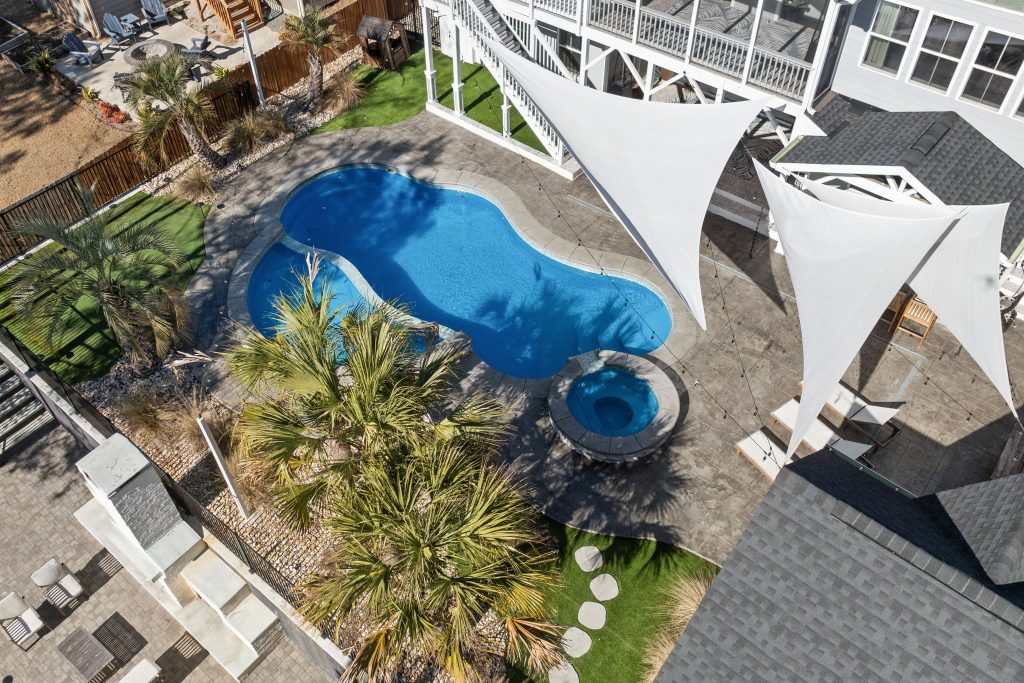
The year initially began on a cautious note. Unfavorable weather in February 2026 delayed early site visits and raised fears of another sluggish quarter. However, as warmer spring weather set in, customer engagement rebounded sharply. Contract signings and quote requests increased rapidly, confirming that the market recovery initiated in late 2025 was built on solid ground.
This upturn reflects a broader market normalization across Western Europe. Following the post-pandemic boom—when annual new pool builds in France hit record highs above 240,000 units—and the subsequent inflationary slowdown, the market is stabilizing. Across Europe, where the total number of private pools now exceeds 8 million, homeowners are actively reinvesting in pool renovation, energy-efficient equipment, and automated maintenance systems.
Order books secured well into late summer
The most encouraging metric for pool contractors lies in their commercial visibility. In France, nearly 50% of surveyed businesses report secured order books extending well beyond July, guaranteeing up to five to six months of steady operational workload. This level of foresight allows business owners to manage inventory, staffing, and cash flow with a degree of confidence not seen in recent years.
The recovery is not experienced uniformly across every business model. Around 40% of small and medium-sized pool enterprises reported a noticeable increase in first-quarter revenue, with top-performing firms recording gains over 20%. Meanwhile, the majority of companies are seeing their performance converge toward historical industry averages, signaling market stabilization after years of extreme performance gaps.
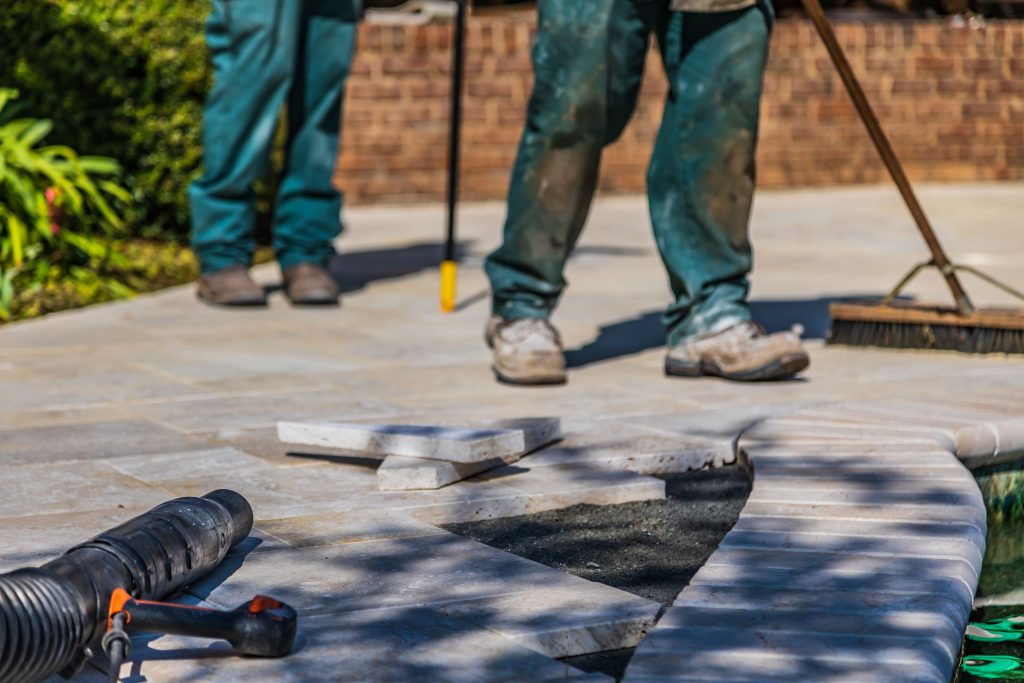
Strategic planning amid rising demand
For industry professionals, these market trends serve as crucial decision-making tools. Understanding overall market momentum allows managers to anticipate supply needs for water treatment chemicals, secure orders for heat pumps and smart filtration units, and align operational capacity before the summer rush.
However, this commercial resurgence brings its own operational hurdles. Increased sales naturally lead to heavier workloads on job sites, hitting an industry already constrained by a severe European technical labor shortage. Converting signed contracts into completed projects will ultimately depend on how effectively companies can retain and deploy skilled site crews.

Methodical execution for long-term momentum in 2026
While optimism has clearly returned across trade shows and job sites, business owners remain pragmatically cautious. Industry veterans understand how rapidly weather patterns and economic shifts can influence consumer behavior. Consolidating the gains of early 2026 will require disciplined project management, tight inventory control, and structured client communication to ensure sustainable growth for the rest of the year.
Sources and References
- FPP (Fédération des Professionnels de la Piscine et du Spa) & Xerfi Specific
- EUSA (European Swimming Pool and Spa Association) :
- Insee & Eurostat