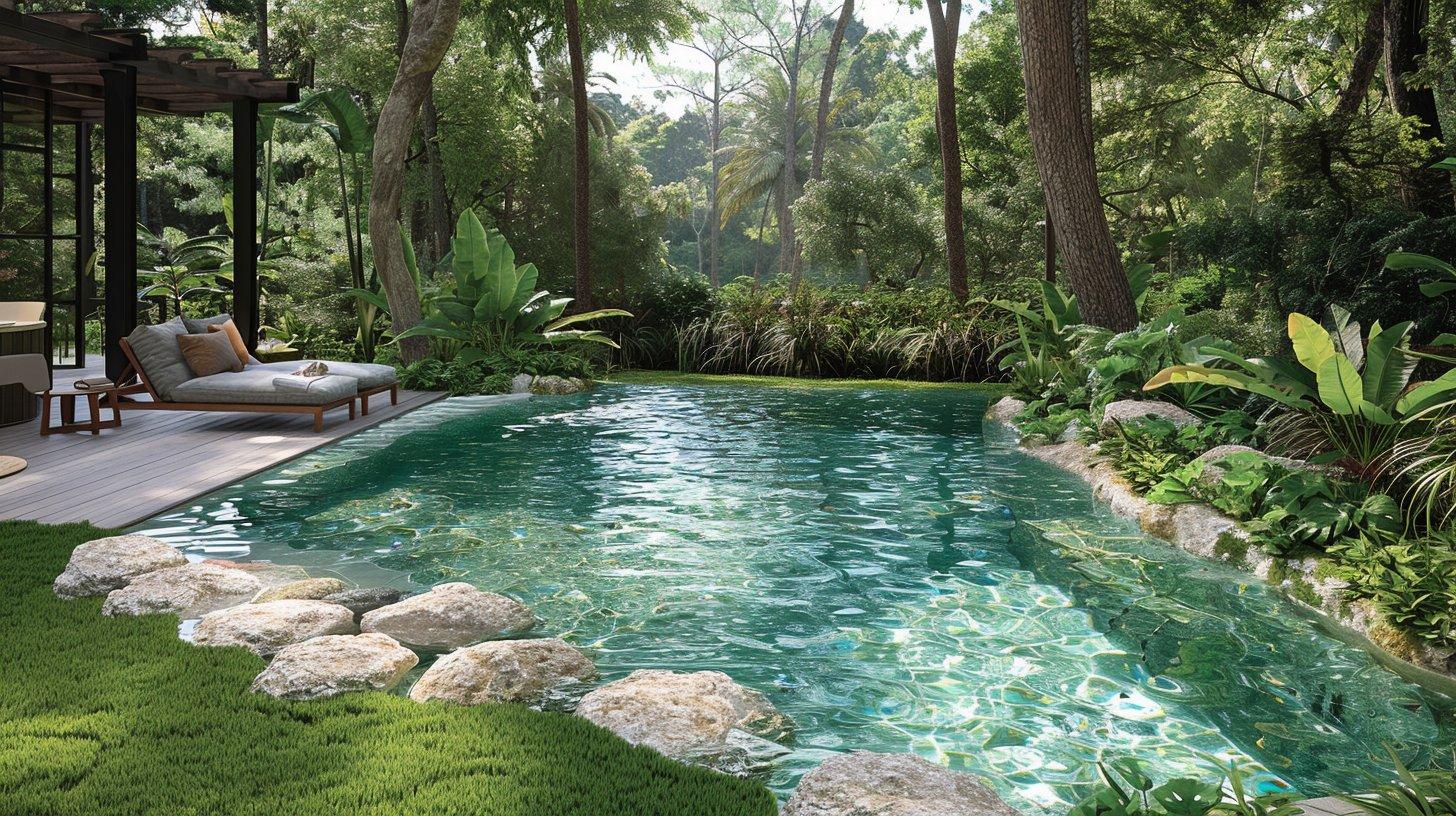
Let’s be honest for a second. For years, putting a massive pool in the backyard was the ultimate sign of making it. But things changed fast. Between scorching summers, local water restrictions, and shifting public opinion, the pool industry took a serious beating. People started pointing fingers at backyard pools, calling them a selfish, resource-heavy luxury.
But instead of panicking or denying the problem, manufacturers and builders did something much smarter by completely rewriting their playbook. Today, no serious professional sells a pool without talking about its environmental footprint. It is no longer a flashy sales pitch, it is a survival requirement for the market.
Draining your pool in the spring is a total mistake
If you talk to old-school pool owners, they will tell you that draining half the pool every spring to clean it was just part of the routine. Today, if you do that on the ground, you look like an alien. Professionals are doing a lot of educational work on the field because pool water is an asset that you need to keep in the tank year after year.
Thanks to modern filters, you really don’t need to throw hundreds of liters of water down the drain anymore. French companies like Desjoyaux built their success on pipeless filtration, which cuts out the traditional, water-wasting backwash process entirely. The new mindset is simple, you just keep your water, take care of it, and stop wasting it.
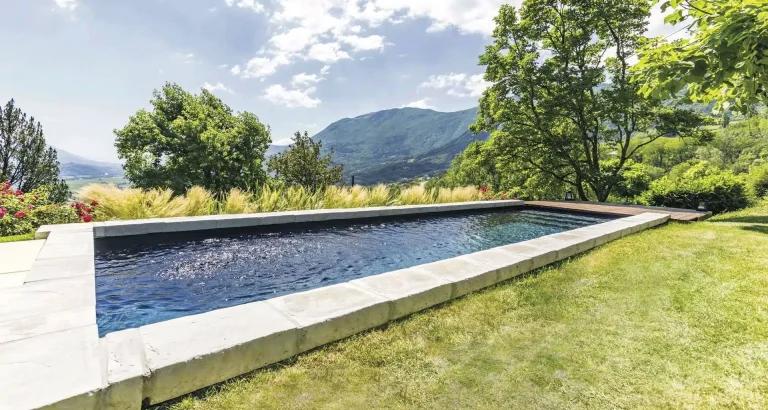
The real enemy is the sun
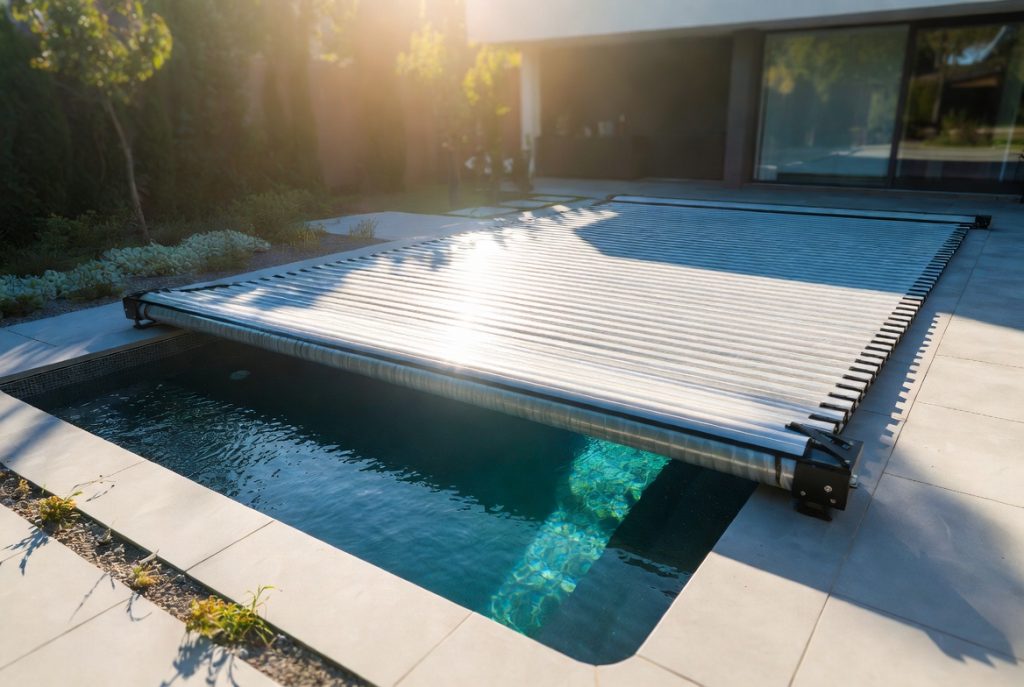
When you chat with technicians on-site, they all say the exact same thing. The real problem isn’t leaks, it’s evaporation. A bit of wind, a hot sun, and the water level drops by several centimeters in a single week. That is why building a pool without a cover has become almost unthinkable. Slatted automatic covers and safety blankets are no longer just for keeping kids safe, they are there to lock the water in. In Belgium, the manufacturer T&A specialized heavily in this by developing solar polycarbonate slats. They cut evaporation down to nearly zero percent while trapping the sun’s rays to heat the water for free. It is mechanical, it is simple, and it solves two problems at once.
Less noise, less electricity, and less chemicals
The old equipment shed that hums loudly and sends the electric bill through the roof is dead and buried. The big game-changer on the ground right now is the variable-speed pump, powered by Inverter technology. Instead of running at full blast for eight hours and shutting off, it runs almost constantly but at a very low, quiet speed. It uses barely any electricity and actually filters the water much better. When you connect this to smart control boxes like the ones made by Kléo, the pool handles itself. The system monitors the water quality and injects the exact amount of treatment needed, down to the gram. You can finally forget about tossing chlorine tablets at random on Saturday mornings because the water is starting to look green.
Looking up at the sky for refills
Builders are also tackling a topic that used to be a bit taboo. Is it really right to use drinking tap water to fill up swimming pools? To get around this, the industry is finally hooking up rainwater harvesting systems.
By setting up collection tanks with active carbon filters and proper treatments, rainwater naturally tops off the pool levels. Even the core structure of the pools is shifting. Many French and Belgian brands are moving away from heavy concrete, using panels made from recycled materials instead, just to lower the carbon footprint before the first gallon of water even hits the basin.
The dream is still alive but it grew up
This shift toward sustainability isn’t killing the market, it is making it more mature. When a client walks into a showroom today, their first question isn’t just about the construction price, they want to know how much it will cost in water and electricity.
The modern pool is no longer an eco-guilt trip. It has been redesigned as a responsible, efficient cooling space built to last. By putting green engineering at the very center of their craft, pool professionals are proving that you can still give people their backyard dream, while keeping your feet on the ground and your eyes open to the climate reality.