A market outlook by Bundesverband Schwimmbad & Wellness e.V.
The market for private swimming pools continues to develop dynamically. Today, a private pool is no longer seen solely as a luxury product. It represents quality of life, health, individuality and a sense of independence in a world characterized by constant activity, uncertainty and permanent connectivity.
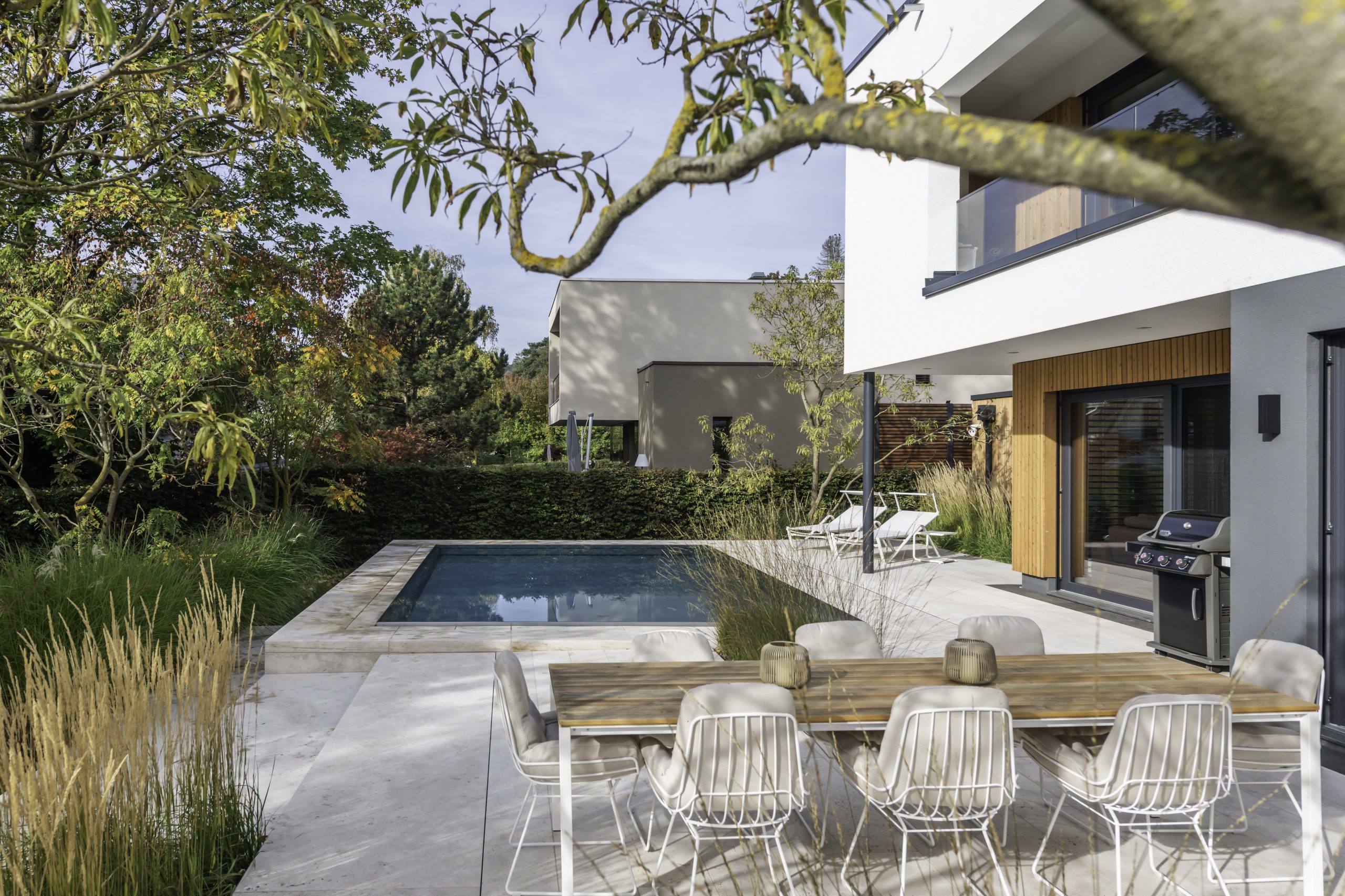
Gardens are increasingly becoming personal retreats, holiday destinations at home and gathering places for family and friends. They offer an opportunity to disconnect from digital life and enjoy valuable time offline. At the same time, consumer expectations are changing. Sustainability, energy efficiency, smart technology and flexible usage options are becoming increasingly important. The pool industry is responding with innovative solutions and demonstrates that modern pool construction is about much more than simply adding water to a garden.
The Pool Industry as an Economic Driver
The pool and wellness industry is not only a lifestyle market but also an important economic sector. Across the entire value chain, from manufacturers and retailers to specialized pool construction companies, small and medium-sized family businesses create employment, drive innovation and generate regional economic value.
Investments in private pools and wellness facilities directly support skilled trades, small and medium-sized enterprises and the construction industry. Pool projects create jobs in planning, construction, technology, maintenance and service, while also benefiting related sectors such as landscaping and smart home technology.
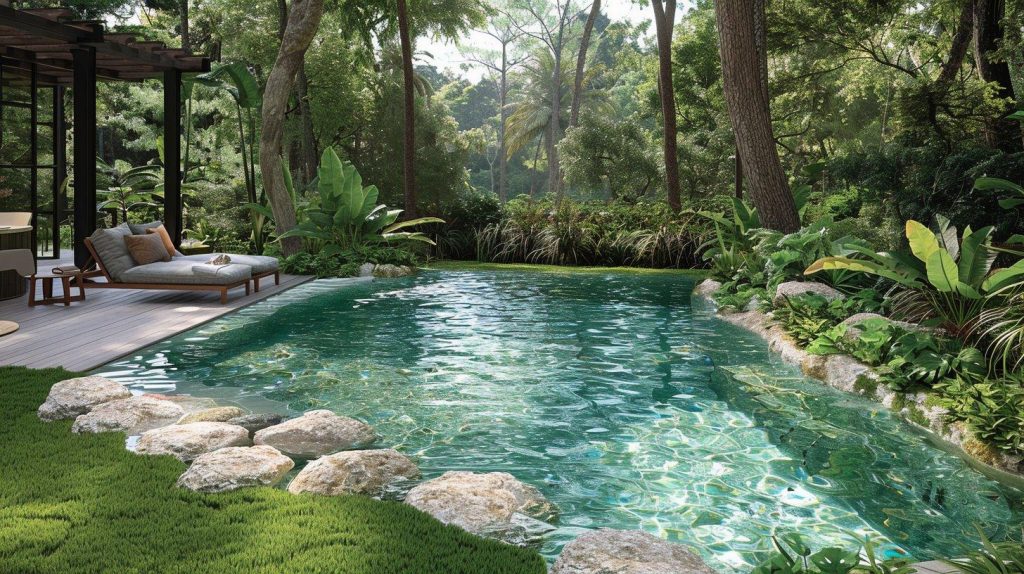
The Garden Pool as a Personal Holiday Destination
The desire for a private place of comfort and relaxation remains strong. Concepts such as homing, cocooning and hygge reflect a long-standing trend toward creating more comfortable, emotional and enjoyable living environments.
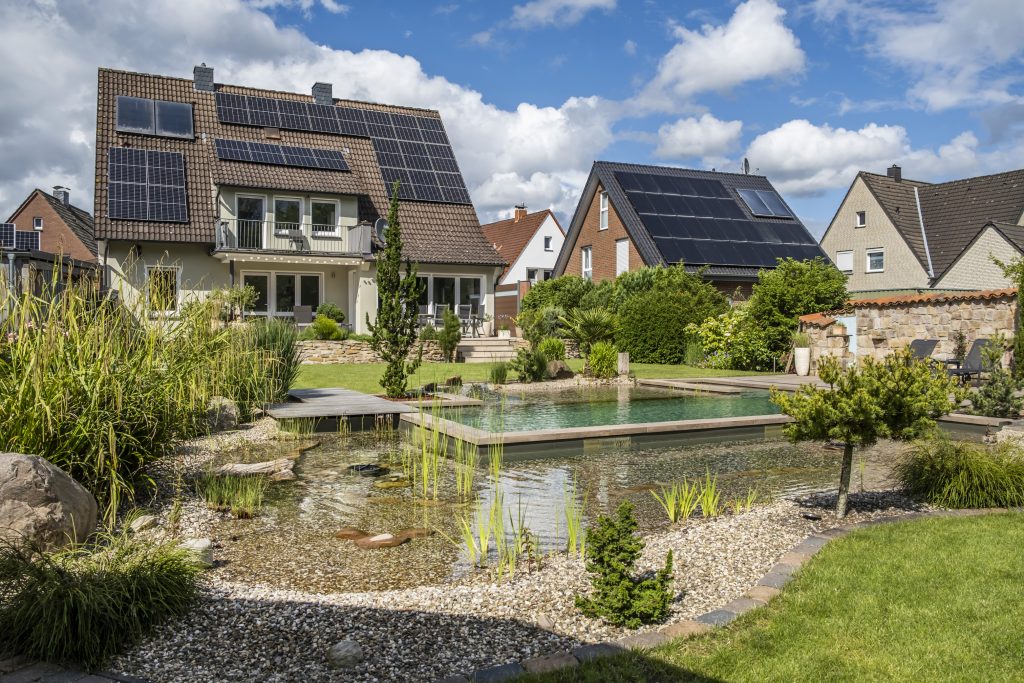
A private pool fulfills many functions at once. It can be a sports facility, wellness oasis, children’s playground, social gathering place and peaceful retreat. While everyday life becomes increasingly fast-paced, water creates a space for relaxation and recovery. For many people, the holiday experience now begins just outside the terrace door, without flights, traffic or extensive travel planning.
Sustainability Without Compromising Comfort
The growing desire for relaxation goes hand in hand with increased environmental awareness. As a result, sustainability has become one of the most important topics in the pool industry.
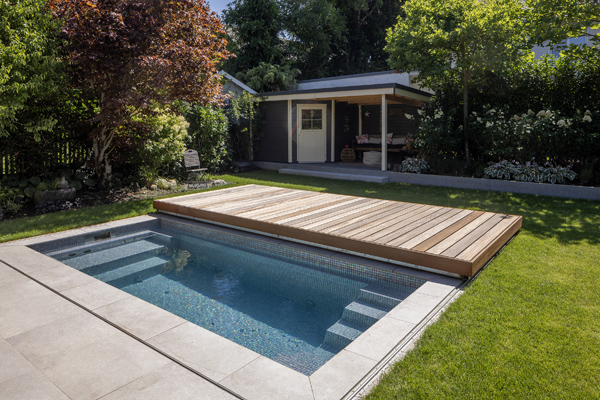
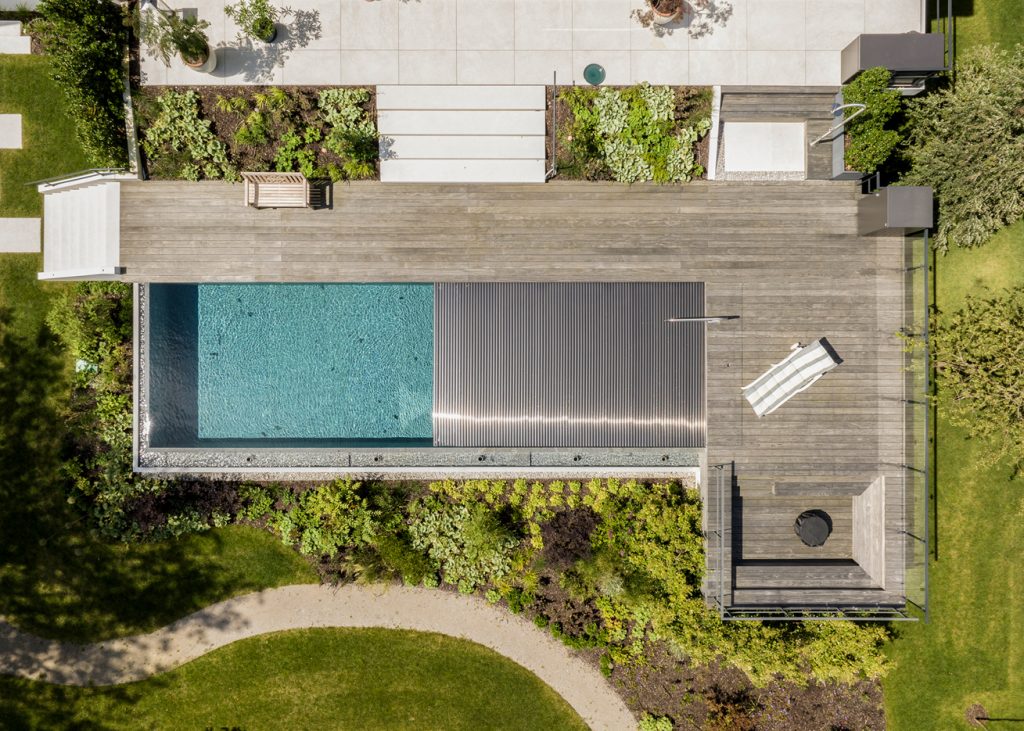
Modern pools have little in common with the energy-intensive systems of previous decades. Pool covers, for example, significantly reduce heat loss and can lower a pool’s energy demand by up to 80 percent. They also greatly reduce water evaporation. Without a cover, energy is lost unnecessarily and additional CO₂ emissions are generated. For this reason, most private pools in Germany are equipped with a cover.
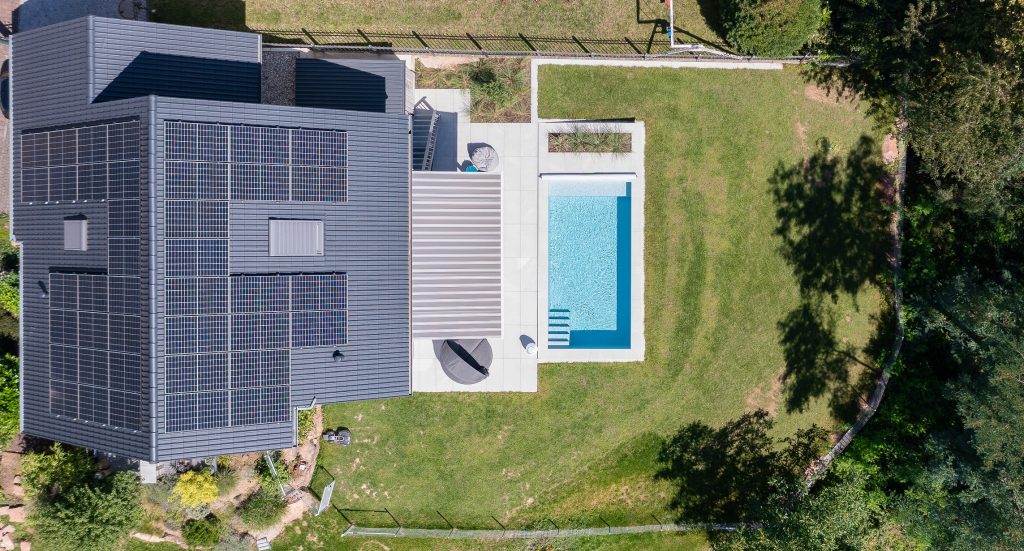
The industry also relies on efficient heating solutions such as heat pumps, solar absorbers and photovoltaic integration. Many pools are connected to intelligent control systems that use energy only when needed. Durable and recyclable materials, as well as energy-efficient pumps and filtration systems, further contribute to sustainability. Since the end of 2022, the European standard DIN EN 17645 has introduced an energy classification system for private pools, similar to energy efficiency labels used for other consumer products.
Water Conservation Through Modern Technology
The industry also demonstrates innovation when it comes to water management. Contrary to common misconceptions, the water in modern private pools is not regularly replaced.
Professional water treatment systems allow pool water to remain in use for several years. Automated measurement, filtration and dosing systems ensure consistently high water quality while reducing the consumption of treatment chemicals. Pool covers further minimize evaporation and help conserve water.
Interest is also growing in sustainable concepts such as rainwater utilization and intelligent water circulation systems. Resource conservation is increasingly becoming an integral part of modern pool planning.
Health and Wellbeing as Key Growth Drivers
Health awareness has become one of the strongest drivers of growth in the industry. Private pools are increasingly used for fitness, prevention and recovery.
Swimming is widely recognized as one of the healthiest forms of exercise. It is gentle on the joints, highly effective and suitable for nearly all age groups.
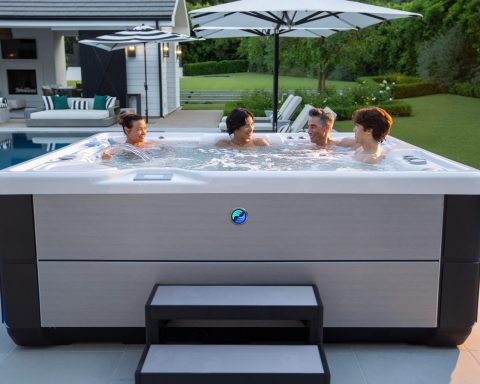
Pool owners are increasingly integrating training features such as counter-current systems, aqua fitness equipment and underwater exercise devices. Wellness features including massage jets, air bubble systems and waterfalls are also becoming more popular.
At the same time, hygiene awareness has increased. Modern water treatment technologies ensure excellent water quality and reliable protection against bacteria and other contaminants. Consumers particularly value the ability to control hygiene standards within their own private environment.
Individualization Instead of Standardization
The desire for individuality continues to shape the market. Pools are no longer standardized products but highly customized installations tailored to architecture, garden size and personal lifestyle.
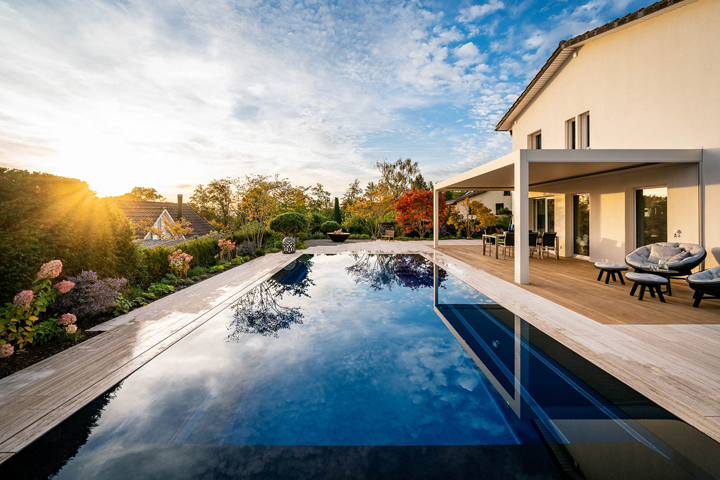
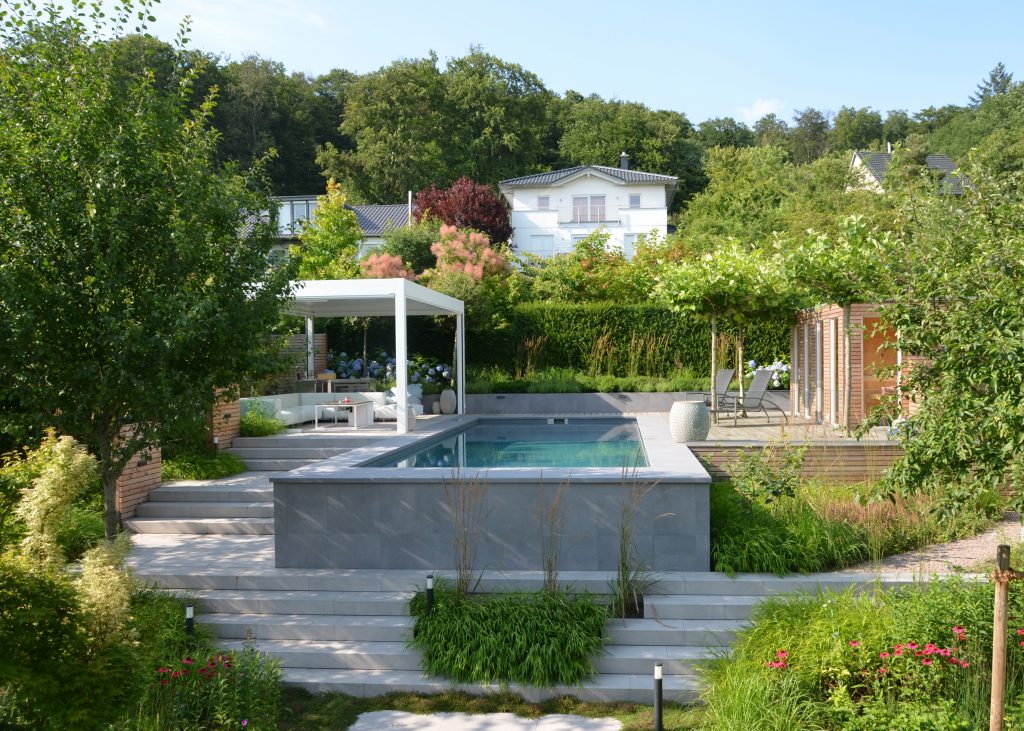
Minimalist designs, clean lines and natural color palettes are especially popular. Water features increasingly blend into contemporary garden architecture and premium outdoor living concepts. Integrated lighting solutions combine underwater illumination with landscape lighting to create atmospheric environments.
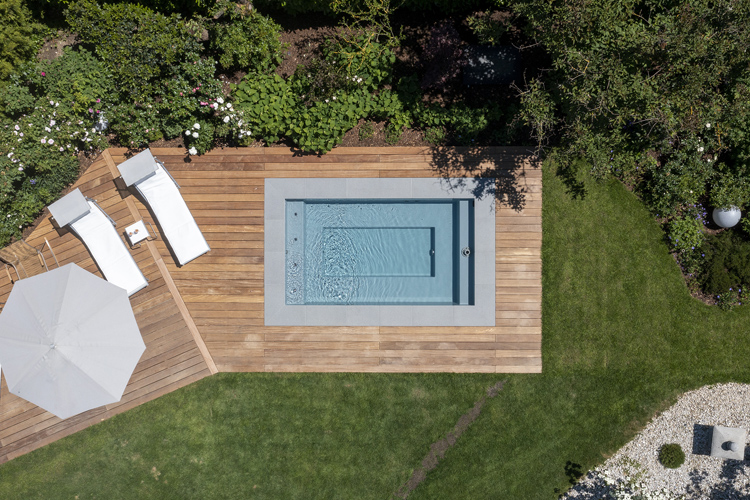
At the same time, demand for solutions suited to smaller properties is growing. Urbanization and rising land prices are driving interest in compact pools, mini pools and swim spas. Even limited outdoor spaces can now accommodate premium wellness and fitness areas.
Multifunctional concepts are particularly popular, including movable pool terraces, combined seating and water features, and compact pools equipped with counter-current and massage systems.
Digitalization Creates Smarter Pools
Today’s pools are increasingly connected and intelligent. Many systems can be controlled entirely via smartphone or tablet.
Temperature, lighting, water treatment and pool covers can be automated. Robotic cleaners handle routine maintenance, intelligent sensors continuously monitor water quality and digital control systems optimize energy consumption.
However, technology does not replace human expertise. Demand for professional services continues to grow. Maintenance contracts, remote monitoring and personalized support provided by pool professionals are becoming increasingly important. This development also increases the need for qualified specialists throughout the industry.
The Pool as an Investment
In addition to emotional and health-related benefits, private pools can also offer economic value. Properties featuring high-quality pool and wellness installations are often perceived as more attractive and may achieve higher market values.
One real estate analysis estimated that a swimming pool can increase a property’s value by approximately 13 percent on average. A pool therefore represents not only an investment in quality of life but also in real estate.
During periods of inflation, economic uncertainty and volatile financial markets, many consumers view investments in their homes and gardens as stable long-term assets that additionally provide a positive return in terms of health and wellbeing.
The Garden Becomes an Extension of the Living Space
Alongside pool construction, overall garden design is evolving. Outdoor areas are increasingly becoming extensions of the home.
Pools are planned as part of comprehensive outdoor living concepts that may include outdoor kitchens, lounge furniture, fire features, stylish shading systems, outdoor showers and high-quality landscaping. Nature, relaxation and quality of stay are at the center of these designs.
A Market With Significant Growth Potential
The private pool market continues to offer substantial growth opportunities. Germany currently has around two million private pools, compared to approximately 18 million single-family homes. This leaves significant potential for future installations.
Additional opportunities exist in upgrades and modernization projects. According to market studies, relaxation and enjoyment are the primary reasons for pool ownership, yet more than 36 percent of pools still have no additional equipment. At the same time, nearly 28 percent of pool owners are considering renovation or expansion projects.
And the financial capacity is there. The total private wealth of households in Germany currently amounts to around EUR 10 trillion. In addition, the national savings rate is comparatively high at 10.4 percent.
The industry is further supported by several long-term trends, including the desire for improved quality of life at home, increasing health awareness, the growth of outdoor living, technological innovation and the demand for individuality and security.
Demographic changes also play a role. An aging population places greater value on health-oriented leisure activities and accessible wellness solutions, while younger generations increasingly prioritize work-life balance and high-quality leisure experiences at home.
Climate developments may also contribute to market growth. Longer summers and rising temperatures increase the appeal of private water spaces. In uncertain times, many consumers appreciate having their personal holiday destination directly in their own garden.