Digital transformation is reshaping the way public and sports swimming pools are managed. Today, smart technologies go far beyond enhancing the swimmer experience—they are becoming essential tools for improving safety, maintaining water quality, reducing energy consumption, and streamlining day-to-day operations.
In this context, the Municipal Swimming Pool of Salou has reached a significant milestone by becoming the first facility in Catalonia to join the Spanish Connected Smart Pools Network (EPIC), an initiative promoted by the Royal Spanish Swimming Federation (RFEN Aquatics), the Spanish Sports Council (CSD), and technology company Zonyx.
The deployment of the Nagi by Zonyx system positions the venue at the forefront of innovation in public aquatic facilities, paving the way for a new generation of data-driven pool management powered by real-time monitoring, smart sensors, and connected digital technologies.
What Is the EPIC Network?
The Spanish Connected Smart Pools Network (EPIC) was created to establish a nationwide ecosystem of digitally connected aquatic facilities capable of sharing information, improving swimmer safety, and optimizing operational performance through Internet of Things (IoT) technologies.
The initiative promotes a connected pool model in which multiple monitoring systems work together to enhance user safety, simplify maintenance, reduce water and energy consumption, and accelerate the digital transformation of municipal sports facilities. By collecting and analyzing operational data, the network also enables benchmarking between venues, helping operators make better-informed decisions and continuously improve efficiency.
Nagi by Zonyx: Turning a Traditional Pool into a Smart Facility
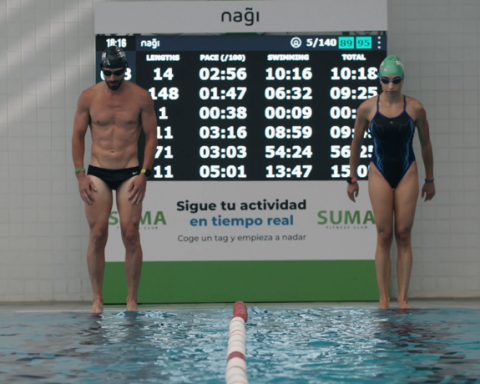
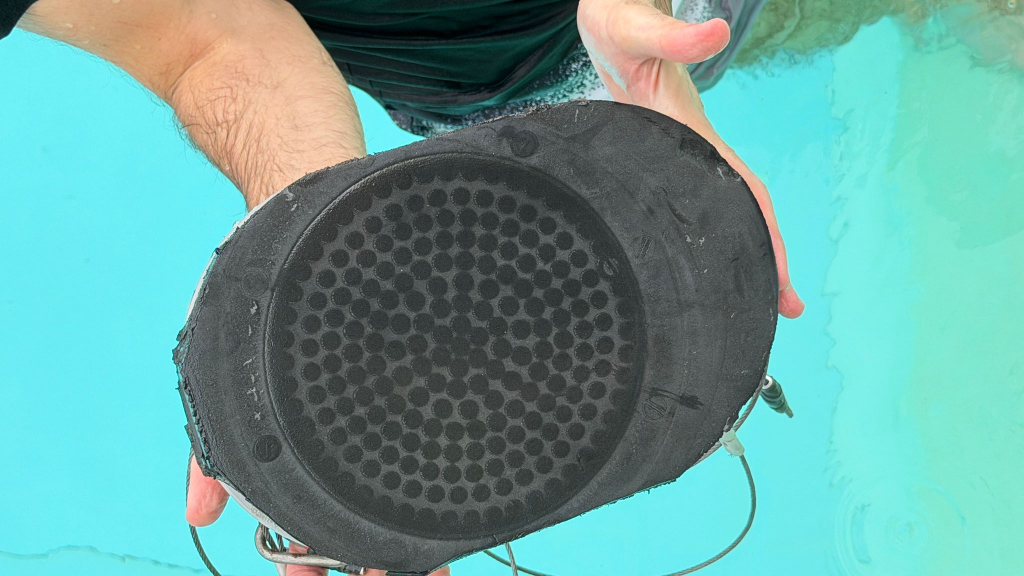
At the heart of the project is Nagi by Zonyx, an intelligent monitoring platform developed by the Spanish technology company Zonyx. The solution combines wearable devices, wireless communications, and real-time analytics to provide continuous visibility into pool activity.
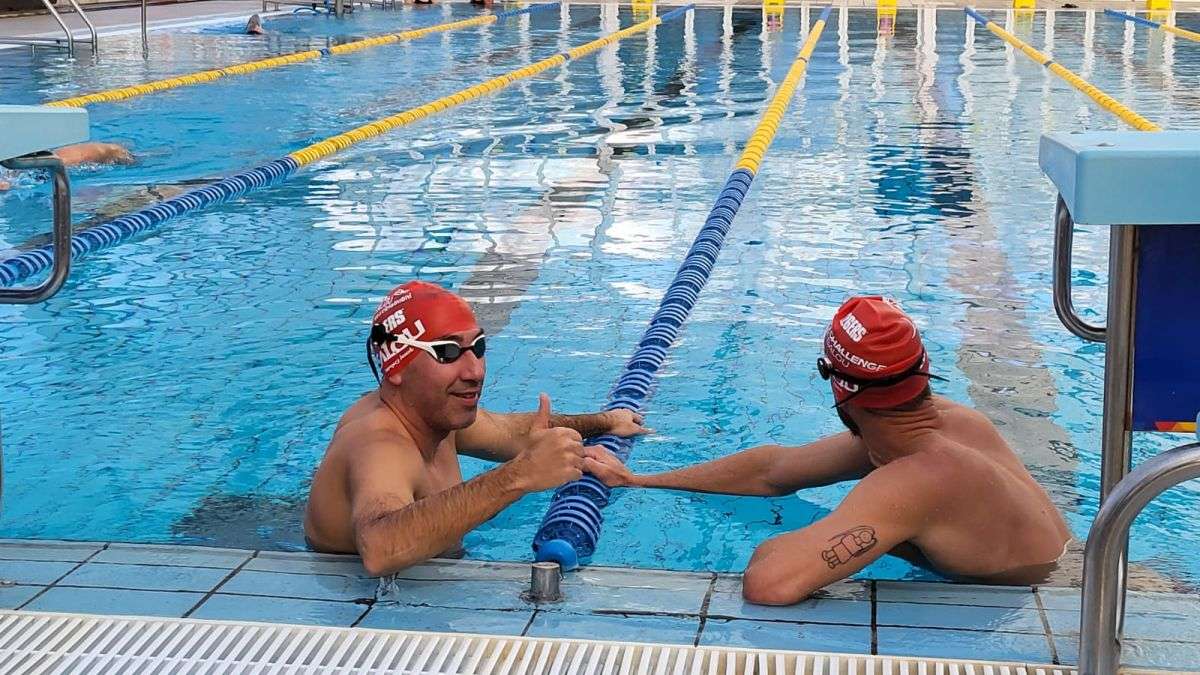
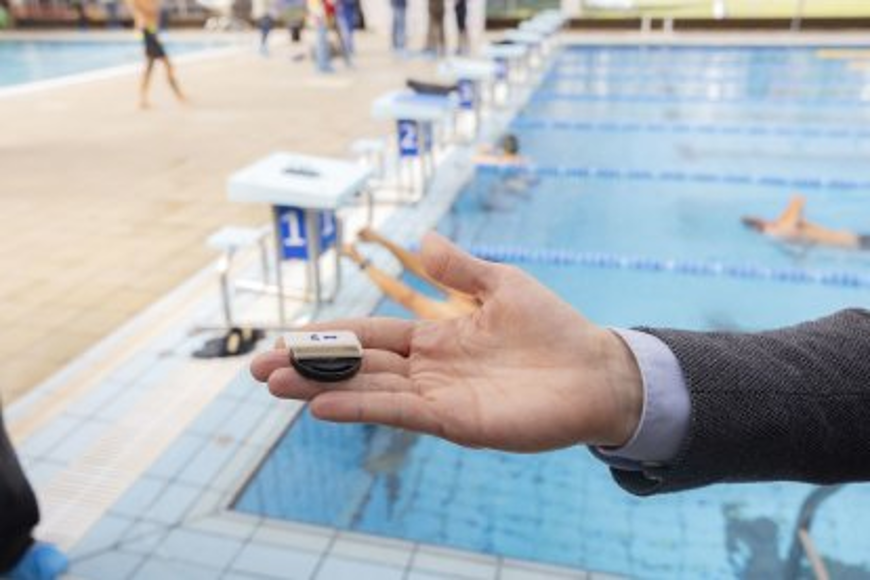
Swimmers wear lightweight electronic devices that transmit live information to a centralized platform, allowing both users and facility staff to monitor training sessions and pool activity. The system records key performance metrics, including:
- Number of lengths completed.
- Total distance swum.
- Active swimming time.
- Time spent in the water.
- Training pace.
- The swimmer’s real-time location within the pool.
Users can access all of this information through the platform, while facility managers and coaching staff can use the same data to oversee operations and support training activities.
A Major Step Forward in Water Safety
One of the system’s most valuable features is its contribution to aquatic safety. The wearable sensors remain in constant communication with the central control platform, enabling automated monitoring protocols throughout each swimming session. If the system detects unusual behavior—such as prolonged inactivity or movement patterns that have been identified as potential risk indicators—it immediately alerts lifeguards, allowing them to respond more quickly.
While technology is not intended to replace human supervision, it provides an additional layer of protection that can significantly reduce response times during emergencies. This was one of the key messages highlighted by Aitor Canibe, Director of the Young Sport Foundation at Spain’s Higher Sports Council (CSD), who emphasized that the project’s goal is “not only to improve athletic performance, but to create healthier and safer swimming pools.”
Smarter Operations Through Digital Management
Beyond swimmer safety, the platform delivers substantial operational benefits. By continuously monitoring pool occupancy and usage patterns, facility managers can optimize filtration cycles, water renewal schedules, filter backwashing, and preventive maintenance programs. The result is more efficient water management without compromising hygiene or regulatory compliance.
The same data-driven approach also improves energy efficiency. Pumps, HVAC systems, dehumidification equipment, lighting, and other building services can be adjusted according to actual demand rather than fixed schedules, reducing energy consumption while improving the overall performance of the facility.
Technology Supporting Water Quality
Although Nagi is primarily designed for swimmer monitoring and safety, it forms part of a broader smart pool ecosystem in which water quality plays a central role.
Modern intelligent aquatic facilities typically integrate continuous monitoring systems capable of measuring key water parameters such as pH, free and combined chlorine, oxidation-reduction potential (ORP), conductivity, temperature, and turbidity. Automating these measurements helps operators keep water quality within regulatory standards while optimizing chemical dosing and reducing reagent consumption.
By combining online sensors with automated control systems, operators can maintain more stable water chemistry, minimize microbiological risks, and lower operating costs over the long term.
Valuable Insights for Swimmers and Coaches
Digital technology also enhances the experience for everyday users. Swimmers can review real-time training statistics—including distance covered, laps completed, session duration, and performance trends—through an intuitive digital platform.
These insights are particularly valuable for swimming clubs, coaching programs, learn-to-swim schools, performance training centers, and recreational users who want to track their fitness progress. According to Spain’s Higher Sports Council (CSD), the same technology is already used by many elite Spanish athletes during their training sessions.
Designed for Every Type of User
The Municipality of Salou has emphasized that the new smart pool is not intended solely for competitive swimmers. The system is designed to benefit families, school groups, senior citizens, recreational swimmers, sports clubs, and community health programs alike.
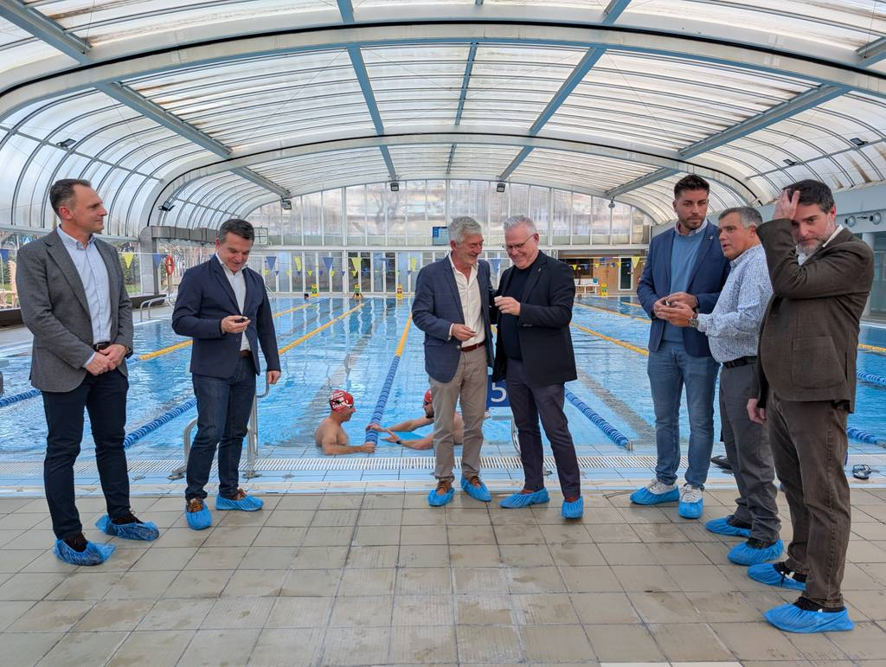
During the official presentation, Mayor Pere Granados stated that the initiative reinforces the city’s commitment to sport, innovation, public health, and improving the quality of life for local residents.
Salou Sets a Benchmark for Smart Aquatic Facilities
With this project, Salou becomes the first municipality in Catalonia to join the EPIC network and one of Spain’s leading examples of digital innovation in public aquatic facilities.
Local authorities see the initiative as proof that advanced technology can strengthen public services by creating swimming pools that are safer, more efficient, and more sustainable. The project is also expected to support sports tourism while contributing to the modernization of the municipality’s sports infrastructure.
Investment and Institutional Collaboration
The implementation of the Nagi system required an investment of approximately €80,000, funded through a public-private partnership:
- 50% financed by the Royal Spanish Swimming Federation (RFEN Aquatics).
- 50% funded by the Municipality of Salou, with support from the NextGenerationEU program.
The project also involved the collaboration of Spain’s Higher Sports Council (CSD), the Young Sport Foundation, Zonyx, and the Catalan Swimming Federation, demonstrating a coordinated effort to accelerate the digital transformation of Spain’s aquatic sector.
The Future of Smart Pools
The launch of Salou’s smart swimming pool reflects a growing trend across Europe, where aquatic facilities are increasingly adopting connected sensors, data analytics, automation, and IoT technologies to improve both operational efficiency and user safety.
Looking ahead, these platforms are expected to evolve into fully integrated management systems capable of combining swimmer monitoring, automated water quality control, predictive maintenance, energy optimization, and artificial intelligence to support operational decision-making. Rather than simply introducing new technology, projects like Salou’s represent a fundamental shift in the way public swimming pools are managed—placing safety, sustainability, operational efficiency, and digital intelligence at the core of future aquatic facilities.