At Campbell River, the new Strathcona Gardens Aquatic Centre brings sport, health and inclusion together in a single facility, without taking space away from swimming. It is a model that pool designers and operators of public multi-use facilities can replicate worldwide.
The new Strathcona Gardens Aquatic Centre opened its doors on 29 October in Campbell River, on Vancouver Island, after an extensive redevelopment. The original facility dates back to the 1970s and closed for renovation after summer 2024.
The works took just over two years and finished on time and on budget. That is a notable result, and one that many other countries, Italy included, rarely match. One detail stands out: users asked for the old pool to stay open during construction, and it did. It was only dismantled later, so service was never interrupted.
Facilities
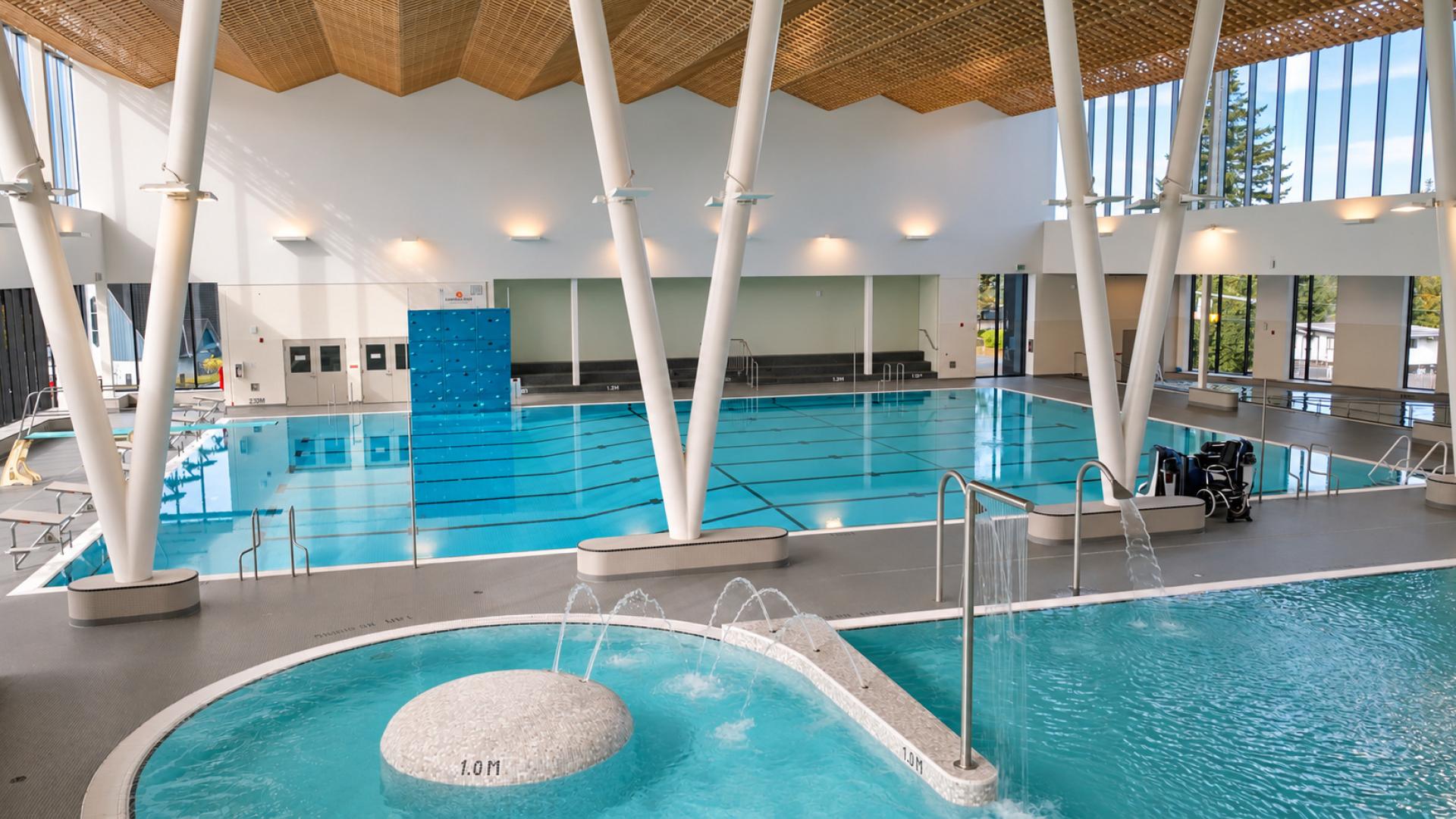
The centre is built around an eight-lane, 25-metre pool with a one-metre springboard and a climbing wall. Next to it sits a leisure area with a beach entry, a splash zone for young children and a lazy river. A waterslide is now being added.
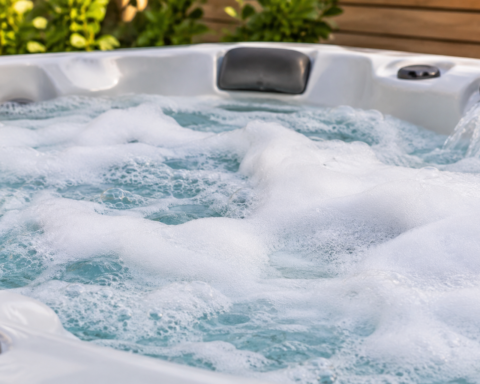
The offer is completed by a wellness pool, a hot pool, a sauna and a steam room. The changing rooms are designed for universal access, and accessibility guided the whole project.
The real news: a multi-use mission
For industry professionals, the most relevant point is the facility’s stated purpose. It is not limited to training and competition. It is designed to host learn-to-swim courses, rehabilitation and therapy, fitness and wellness.
The next step will reinforce this approach. The former pool hall will become a Fitness & Wellness Centre, with an expanded gym, physiotherapy and rehabilitation spaces, new changing rooms, a larger reception and a social area, plus multi-purpose rooms. Completion is expected in summer 2027. Phase 2, which includes a third arena and new parking, is due in summer 2029.
Why it matters to the industry
Strathcona Gardens shows that a pool can work as local infrastructure. It can serve sport, health, families, inclusion and wellbeing without sacrificing its swimming function. For designers, local authorities and operators, it offers a practical example. It shows how to combine several user groups, more revenue streams and real social value in one complex, while keeping the service running during the transformation.
Source: srd.ca
Image credits: Strathcona Regional District