An analysis of 2024–2026 data on capital value appreciation, rental yields, and Mediterranean market dynamics.
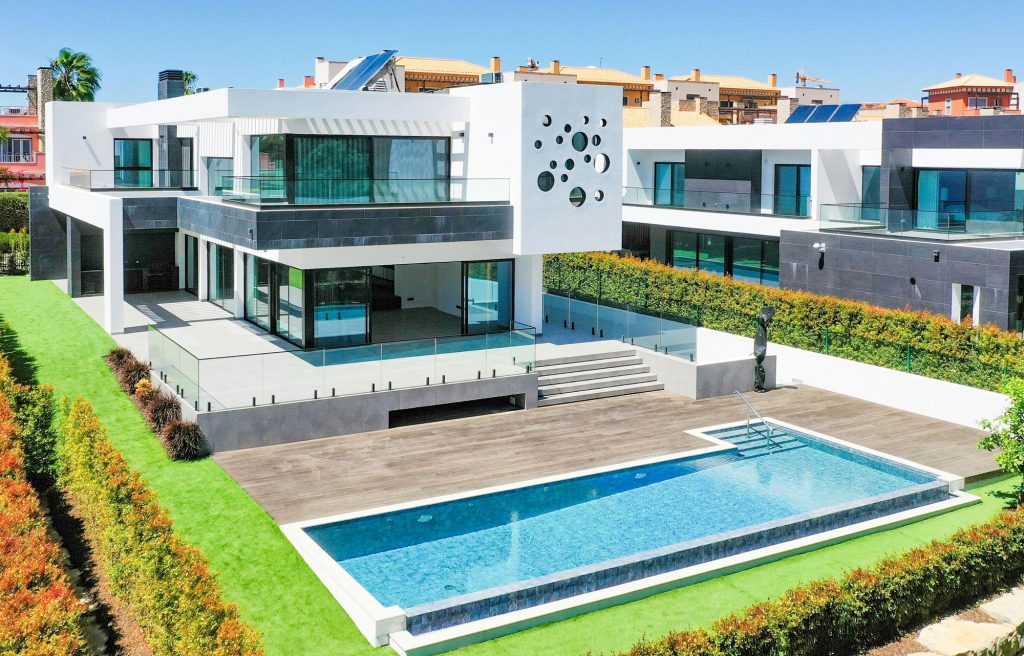
In the Italian real estate market as of February 2026, the installation of an in-ground swimming pool has established itself as one of the most strategically impactful renovation interventions for capital enhancement.
According to data collected by leading property portals such as Idealista and Immobiliare.it, the presence of a private body of water no longer represents a merely aesthetic feature, but rather an economic multiplier capable of increasing a property’s sale price by an average premium of 65%. This dynamic is driven by a marked supply-demand asymmetry, given that just 2% of residential units currently listed on these platforms feature such an amenity. This scarcity allows owners to position their assets in the upper tier of the market, with appreciation peaks in major metropolitan areas comfortably exceeding the 50% threshold compared to comparable properties lacking premium amenities.
Increase in sale value and installation timeline optimization
Engaging qualified contractors for the construction of an in-ground pool delivers a return on investment that, based on data collected between 2024 and 2026, averages between 10% and 15% of the property’s total value.
Beyond purely financial appreciation, the addition of this infrastructure acts as a powerful accelerator during the buying and selling process, reducing time-on-market by approximately 30%.
In a sector increasingly oriented toward residential units that integrate private wellness spaces, a property equipped with this feature emerges as a priority asset, capable of attracting the interest of high-spending buyers and international investors, while simultaneously providing capital protection against fluctuations in the standard residential market.
From a regulatory standpoint, however, it is essential to update the cadastral records through the Docfa procedure within thirty days of project completion, ensuring that the surface area does not exceed 80 square metres in order to preserve applicable tax benefits and avoid reclassification into luxury property categories.
Rental profitability: the short- and long-term lettings market
Aquatic infrastructure fundamentally transforms a property’s income-generating potential, offering competitive advantages in both transient and long-term rental channels. In the short-term and tourist rental segment, properties command rates up to 50% above the local average, with markedly higher occupancy rates throughout the year.
In parallel, within the long-term rental market, a swimming pool enables landlords to attract a class of tenants seeking elevated living standards and willing to sustain premium rental rates in exchange for exclusive amenities. The investment thus yields returns not only through capital gains at the point of sale, but also via a steady income stream that consistently outperforms the broader traditional sector.
The international context: the Spanish market as a case study
An analysis of the neighbouring Spanish market confirms the validity of this strategy at a Mediterranean scale. According to data published by Alfa Inmobiliaria and Idealista Spain between 2024 and 2025, pool-equipped properties in Spain carry valuations 55% higher than those without, with peaks of 65% in premium locations.
Supply constraints are equally pronounced in the Iberian market, with only 24% of units for sale featuring a pool — a factor that drove a 10% price increase for this specific category in the first quarter of 2024 alone. Tourist rental yields follow a trend closely mirroring that of Italy, confirming the swimming pool as the primary differentiating factor for investors seeking to maximise operational and capital returns in the 2025–2026 period.
Sources Idealista, Immobiliare.it, Scenari Immobiliari, Agenzia delle Entrate, Alfa Inmobiliaria/Idealista Spain, RealAdvisor, Decreto Milleproroghe (Legge n. 26/2026)
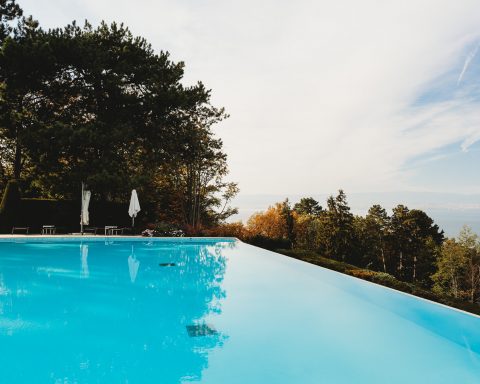
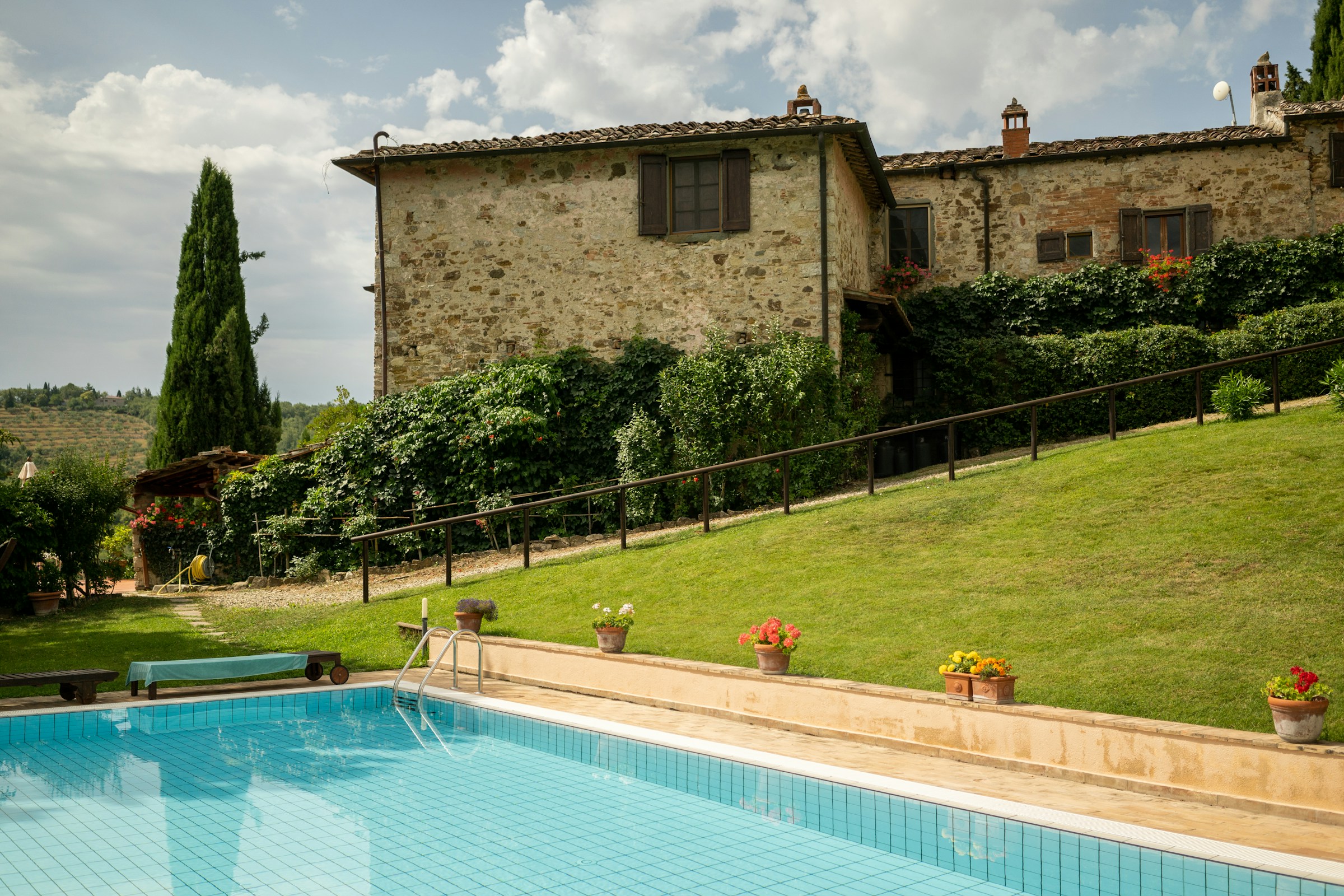
Photo by Aleksandrs Karevs on Unsplash