A public investment will bring back to life one of the city’s most beloved outdoor pools, proving that aquatic spaces can become permanent urban infrastructure.
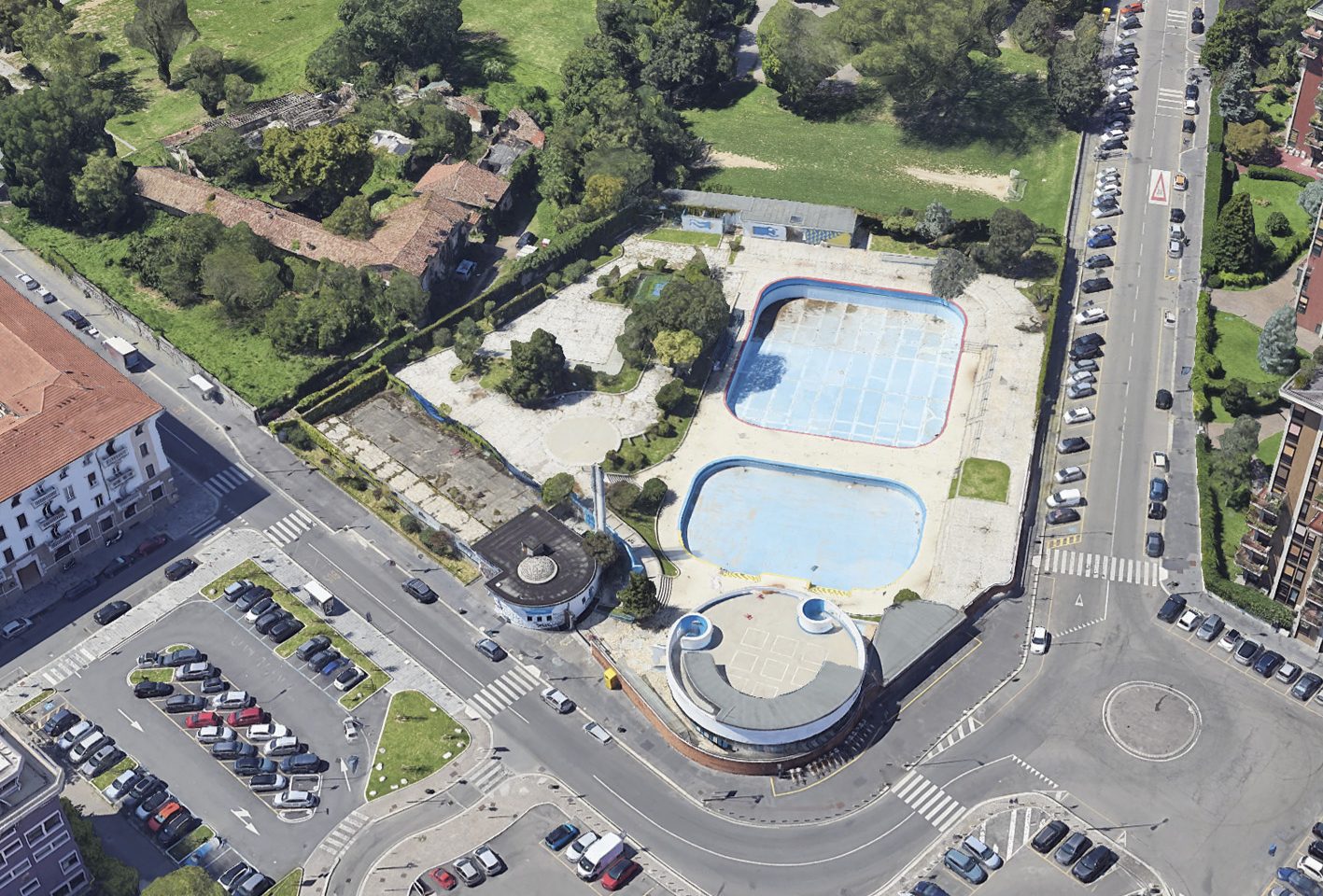
The Argelati is one of Milan’s most cherished pools: an open-air facility in the heart of the Navigli district, a summer landmark for generations of residents. In September 2022, it closed due to severe structural deterioration, leaving a gap in the neighbourhood. Since then, the facility has stood still.
Now the city has decided to act: €28 million in public funding, a participatory process involving more than 500 residents, associations and experts, and an international design competition on the way. Management will be handed to Milanosport, the public company that runs the city’s sports facilities.
The roof: the real priority
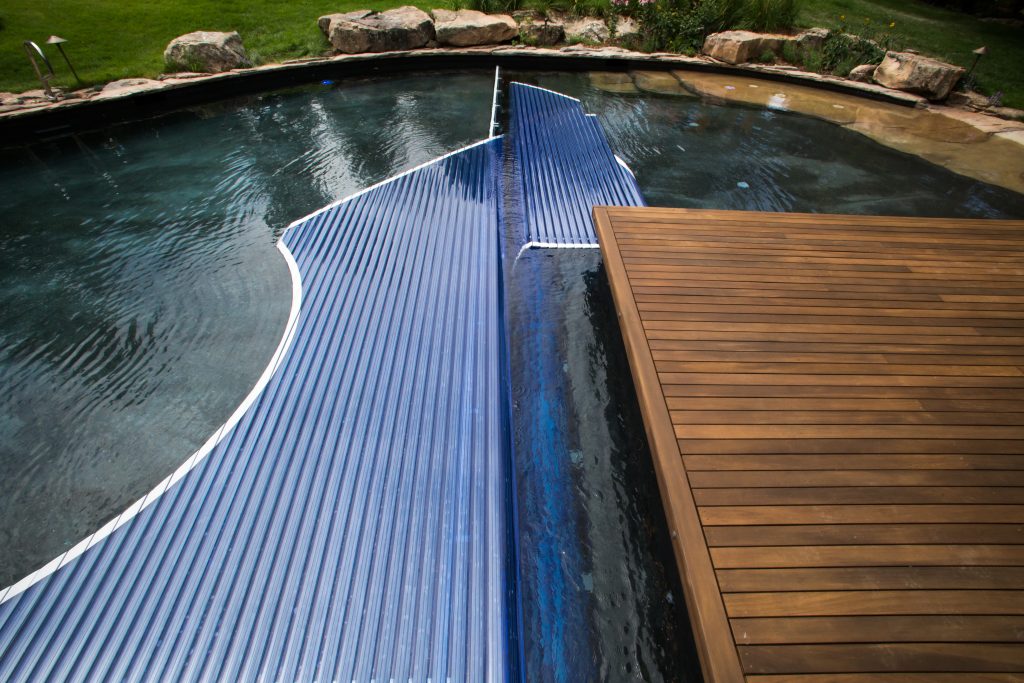
The heart of the project is a retractable roof over the pools. This is not a minor technical feature — it is the essential condition for the investment to make social and financial sense. Without it, the same cycle repeats: a facility open for only a few months a year, generating revenues too low to cover running and maintenance costs.
With a roof, the pool becomes a permanent service, open in the evenings and capable of hosting health, education and wellness activities alongside its traditional sporting vocation. The city’s feasibility study is unambiguous: a sports centre that operates year-round is the goal, and the roof is the means.
The seasonal model is obsolete
For decades, outdoor pools were conceived as a summer experience — an urban substitute for the seaside during August. That model belongs to the past.
Europe’s most forward-thinking cities have long moved away from single-use, single-season facilities. An uncovered pool that closes in September is a fixed cost with limited return, both for the administrations that run it and the communities it should serve.
The trend now points firmly in the opposite direction: aquatic spaces designed as genuine urban infrastructure, open all year, with affordable pricing and diversified programming.
Not just swimming, but community
What emerged from the Argelati participatory process is not simply a wish list from residents, but a mature vision of what a public aquatic space should be today.
Citizens called for green areas, cycling access, social spaces, evening opening hours, and activities for both the elderly and the young. They described, in essence, a neighbourhood anchor — not a water park.
This shift reflects a broader change in how European pools are understood: no longer a venue for summer leisure, but a node of everyday urban life — one that only a permanent roof can make possible.
The direction is right
Construction will not begin before the second half of 2027, and the final project will go through an international design competition, with a winner expected in early that same year.
The timeline is long, as is often the case with public infrastructure. But the course is set. Milan now has the opportunity to show that investing in a covered, year-round pool is not an extravagance — it is a mark of urban maturity. And a model worth replicating.
Image credit: Google Map
Sources: corriere.it, milanotoday.it, comune.milano.it