Swimming pools are evolving. Beyond advances in filtration, disinfection and energy efficiency, digital technology is opening up new opportunities to improve swimmer safety, streamline facility management and make aquatic activities more accessible to everyone.
Against this backdrop, Red EPIC is helping drive the digital transformation of swimming pools across Spain. The initiative promotes innovation as a way to enhance the user experience, strengthen accident prevention and make aquatic facilities smarter and more efficient. By bringing together technology, sport and safety, it reflects a growing shift in how modern swimming pools are designed and managed.
Pool Safety: A Challenge That Calls for New Solutions
Enjoying a swimming pool involves much more than keeping the water clean and properly balanced. Preventing accidents is one of the most important responsibilities of any aquatic facility, from public swimming pools and sports centres to leisure and wellness complexes.
Drowning remains a significant concern in Spain. According to the figures cited in the original report, 52 people died in swimming pool drowning incidents in 2022. These numbers highlight the need to strengthen preventive measures and make the most of technological advances to support traditional lifeguard supervision.
Lifeguards, clear pool rules and swimmer education remain essential. However, systems capable of detecting certain high-risk situations can provide an additional layer of support, particularly in busy facilities where monitoring several swimmers and pool areas simultaneously can be challenging.
Technology cannot replace human supervision, but it can give lifeguards valuable information to help them respond more quickly when every second matters.
Nagi Smartpool: A Small Device with a Potentially Life-Saving Role
One of the technologies associated with Red EPIC is Nagi Smartpool, a solution developed by Valencia-based company Zonyx to improve pool safety and facility management.
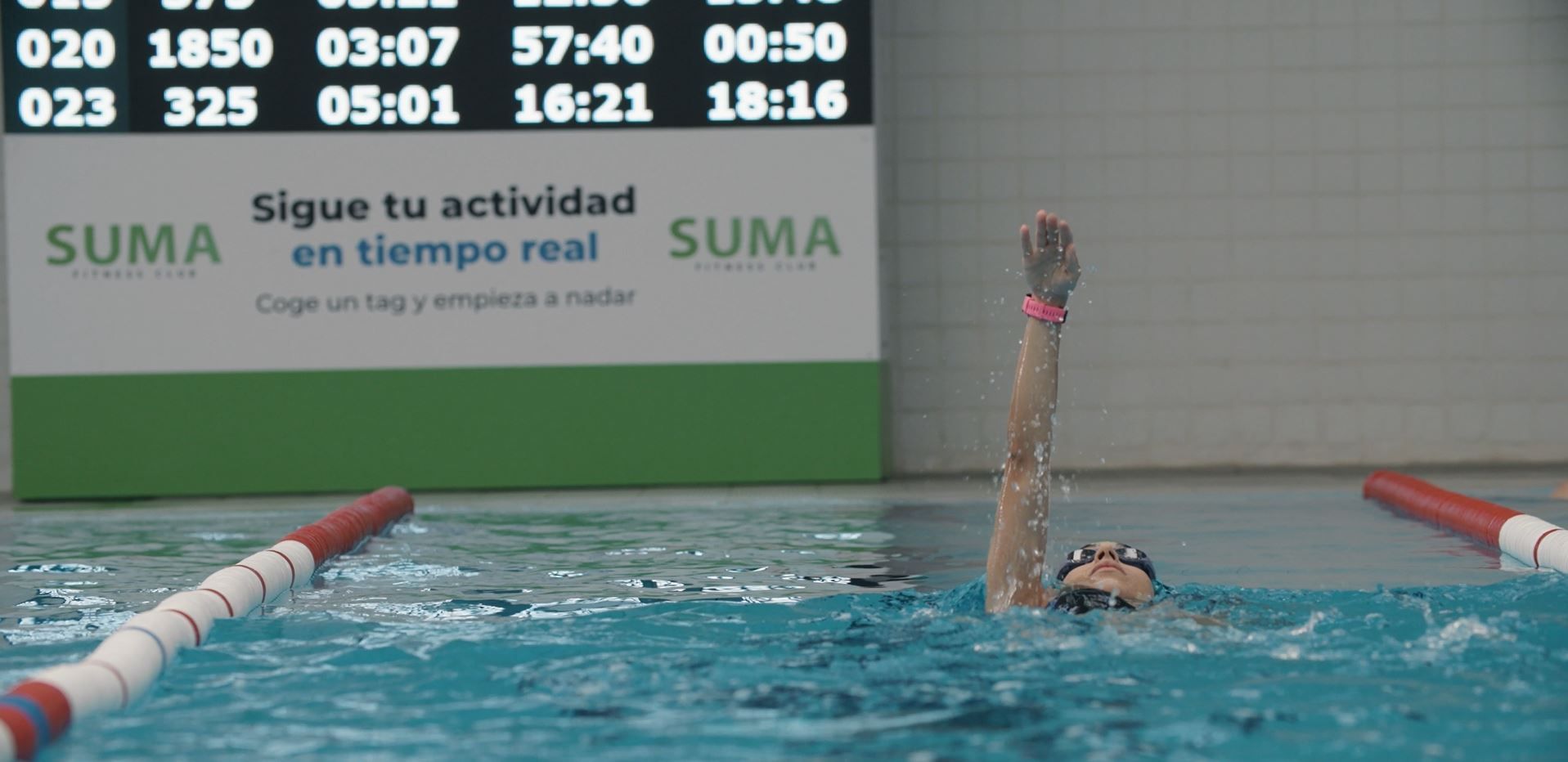
The system uses small electronic devices attached to swimmers’ goggles. Through Bluetooth technology and positioning systems, it can detect certain instances of prolonged submersion and send alerts to the staff responsible for pool supervision.
When the configured conditions for an alert are met, the lifeguard can receive a notification on a smart wristband and check the swimmer’s location on a tablet. This additional information helps staff identify where a potentially dangerous situation may be unfolding and respond accordingly.
Such technology can be particularly valuable in busy swimming pools, where keeping track of multiple swimmers and lanes requires constant attention.
It is important to remember, however, that a detection system cannot guarantee the prevention of drowning. Its effectiveness depends on factors such as alert settings, system coverage, staff response times and integration with the facility’s emergency procedures.
Making Swimming More Accessible for Every Age and Ability
One of the most promising aspects of digital technology in aquatic facilities is its potential to help more people enjoy swimming in a safer environment.
Young children, older adults and people with specific support needs may require closer or more tailored supervision. In these situations, tools that help identify potential risks can strengthen the work of lifeguards and swimming instructors.
Solutions such as Nagi Smartpool allow alerts to be configured for specific supervised groups, with response thresholds adjusted to suit different activities and user needs. This opens up opportunities for more personalised monitoring during children’s swimming lessons, adapted swimming sessions and programmes for people who require additional assistance.
Accessibility also plays a key role in effective pool management. It is not simply about removing physical barriers; it is about creating environments where people with different abilities can take part in aquatic activities with greater confidence and appropriate support.
Smart technology can therefore contribute to more inclusive swimming facilities, provided it remains part of a broader approach built around qualified staff and effective supervision.
Turning Pool Data into Better Management Decisions
Digitalisation is not just about improving swimmer safety. It can also provide valuable insights into the day-to-day operation of a swimming pool.
Understanding how people use a facility makes it easier to organise services around actual demand. Depending on the system and its capabilities, useful data may include:
- Occupancy by time slot: Helps identify peak periods and allocate resources more effectively.
- Swimmer activity: Can provide information on distance covered, pace and speed when these features are supported.
- Lane usage: Makes it easier to organise swimming lanes according to the needs and abilities of different user groups.
- Staff deployment: Provides insights that can help managers assess where additional lifeguard coverage or instructor support may be needed.
These insights can improve both the swimming experience and operational efficiency. They also help facilities move away from relying solely on estimates towards making more informed, data-driven decisions.
Of course, collecting and using this information must always be accompanied by appropriate safeguards for privacy, transparency and personal data protection.
Red EPIC: Moving Towards the Connected Swimming Pool
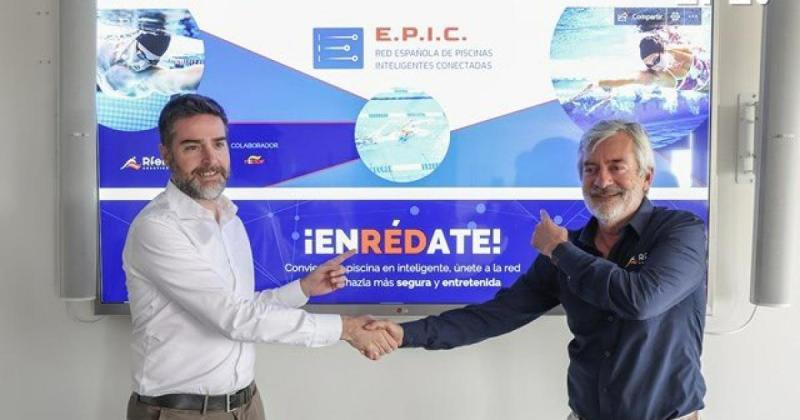
Red EPIC is designed to support the digital transformation of aquatic activities and bring smart solutions to sports facilities across Spain. Promoted by Zonyx and linked to Real Federación Española de Natación (RFEN), the initiative aims to expand the use of digital tools among facilities and their users.
The ambition goes beyond installing connected devices. It focuses on using technology to understand pool usage, strengthen safety measures and organise aquatic activities more effectively.
The initiative has also received public funding to help modernise sports facilities. Information published in July 2023 referred to support from Spain’s National Sports Council (CSD), through European funds, for projects promoting sustainability, inclusion and improvements to sports infrastructure.
These initiatives reflect a broader trend: swimming pools are evolving from spaces dedicated solely to exercise into connected facilities that can use digital information to improve their day-to-day operations.
What Does Digitalisation Mean for Pool Water Treatment?
Although swimmer safety and water treatment are distinct areas, both contribute to the same goal: creating swimming environments that are safe, efficient and sustainable.
Digital monitoring of pool activity can help managers understand occupancy patterns more accurately. This information may also support maintenance planning and help facilities allocate resources in line with actual usage.
For example, a swimming pool that experiences particularly high attendance at certain times may need more carefully scheduled water quality checks, cleaning routines and equipment inspections. Pool managers should consider bather load when planning these tasks.
However, it is essential to distinguish between swimmer safety technology and dedicated water monitoring systems. A device such as Nagi Smartpool does not, in itself, measure chlorine levels, pH or the microbiological quality of pool water. These parameters still require appropriate testing procedures, measuring equipment and water treatment systems.
Combining effective digital management with rigorous maintenance practices can help facilities operate more smoothly. The key is to use each technology for the purpose it was designed to serve.
The Future of Swimming Pools: Safer, Smarter and More Efficient
Innovation is expanding what aquatic facilities can achieve. Location tracking, smart alerts and data analysis are creating new opportunities to improve supervision, tailor swimming programmes and manage resources more efficiently.
Initiatives such as Red EPIC represent a step towards a new model of swimming pool management, where technology becomes part of the everyday experience without diminishing the importance of skilled staff, proper maintenance and accident prevention.
The real value of this transformation does not lie simply in having connected devices. It lies in using them to address practical challenges: anticipating risks, encouraging participation in sport and creating facilities that are more accessible and better managed.
The swimming pool of the future will not only be more efficient in its use of resources and water treatment processes. It will also be a smarter environment, where technology and real-time information help protect people and deliver a better swimming experience.