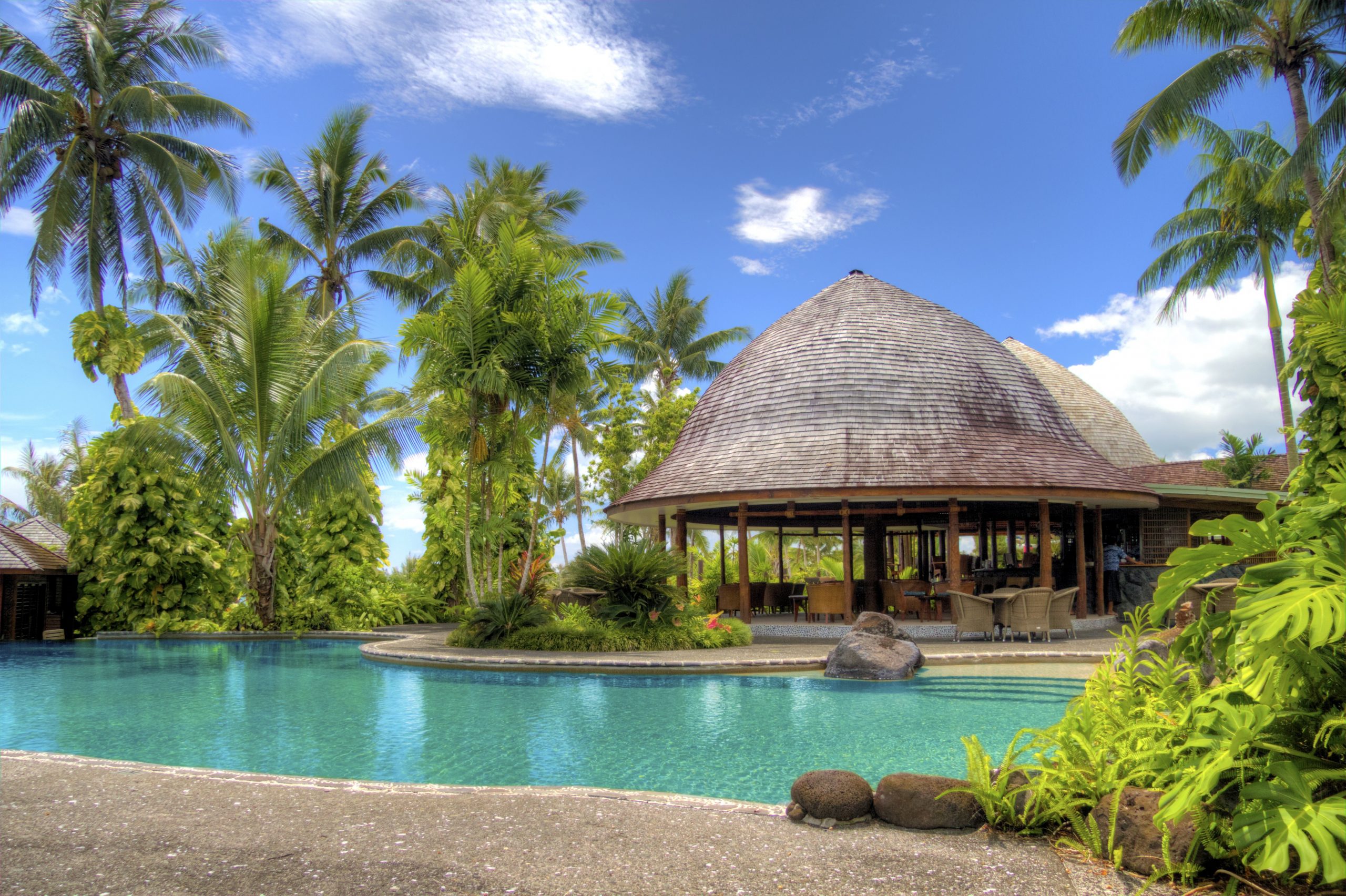
It has become an almost subconscious reflex when planning a holiday. You open a booking platform, type in a destination, and immediately click on that magic filter to find a swimming pool. In just a few years, the blue basin has shifted from a pleasant bonus to an absolute dealbreaker for travelers.
For hospitality professionals, the equation is now crystal clear since the historical connection between public pools and tourist accommodations has become the primary driver for bookings, sometimes even overshadowing the comfort of the rooms themselves.
When Professionals Steal the Spotlight from Homeowners
For a very long time, the general public associated swimming pools almost exclusively with private homeowners dreaming of a lap pool in their backyard. But that image is ancient history. Today, the commercial sector, which encompasses campsites, hotels, and holiday villages, has emerged as the real economic engine for pool builders and installers. This segment now accounts for a tenth of the national market, and its steady growth continues to reshape the industry with every passing season.
The reason behind this success is straightforward. Property managers have realized that a beautiful campsite pool or hotel pool is often the deciding factor for a guest hesitating between two similar properties. In an ultra-competitive market, offering a well-designed aquatic space is no longer a luxury to boost revenue, but a fundamental requirement to simply exist and stand out from the neighboring competition.
The Deep Dive into High-End Luxury
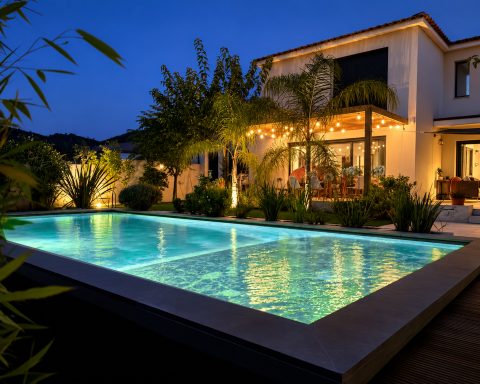
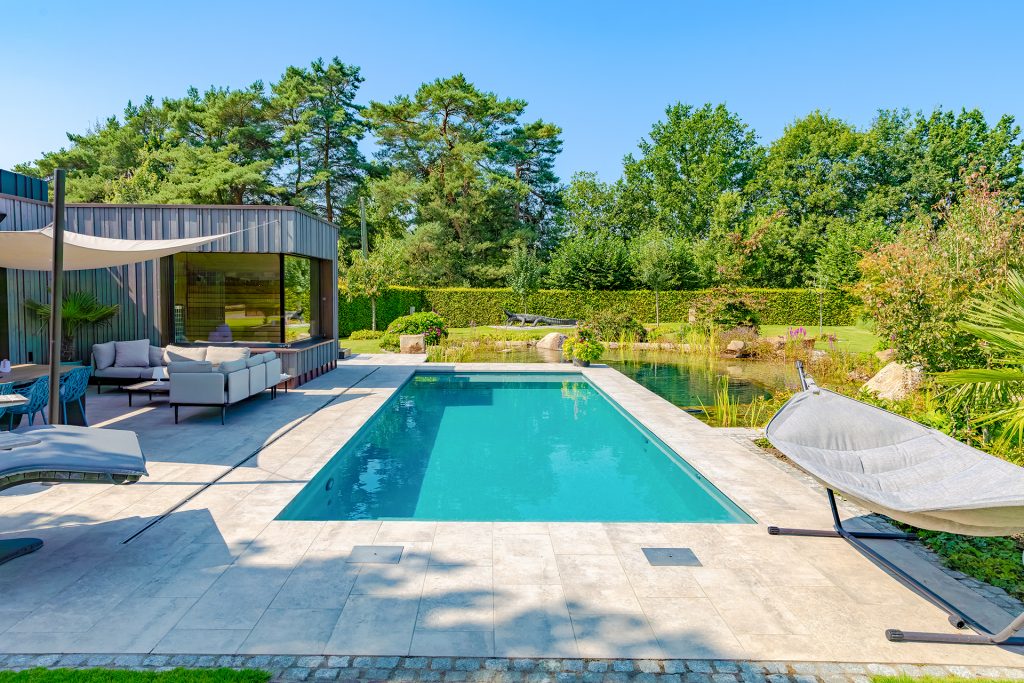
Gone are the days of the simple grey concrete slab and the slightly depressing footbath of past decades. The hospitality landscape has undergone a major transformation, and aquatic areas have become its most spectacular showcase. The modest family campsites of yesteryear have evolved into impressive leisure resorts featuring giant water slides, heated artificial lagoons, and sandy beaches. Even rural guest houses, which once relied solely on rustic charm and isolation, now find themselves practically forced to install a pool to attract an increasingly demanding clientele.
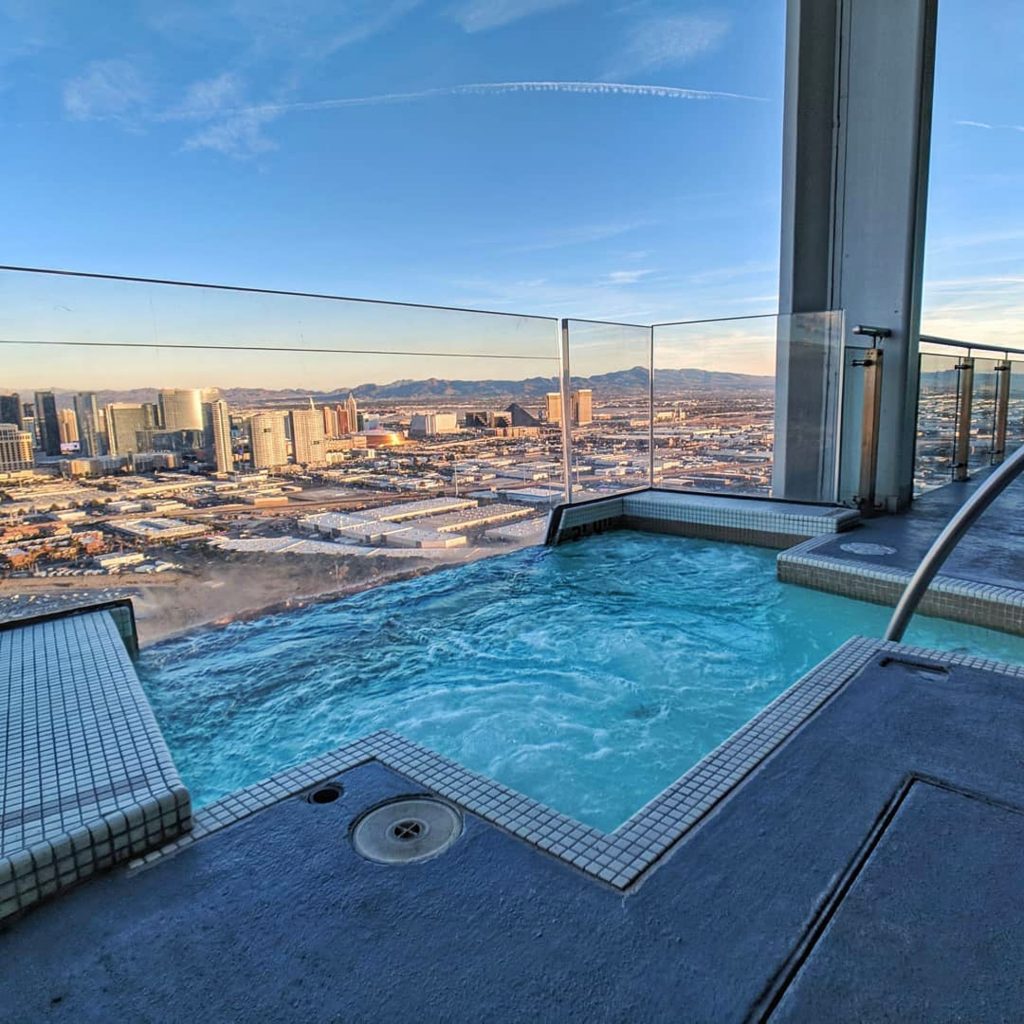
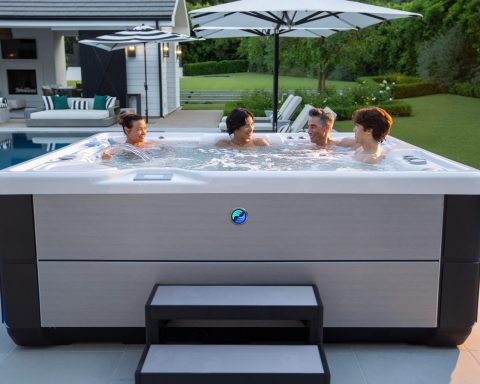
This quest for freshness has also taken over city-centre hotels. Facing tight space constraints on the ground, architects are doubling down on ingenuity. They are tucking compact lap pools into lush interior courtyards or suspending hot tubs on rooftops, offering a complete escape from the urban hustle and bustle.
An Aging Pool Fleet in Need of Modernisation
Yet, behind the dream-like pictures shared on social media lies a major challenge for the coming years. Many existing public pools are beginning to show their age. In fact, half of these installations are over thirty years old, raising urgent questions regarding safety, sanitary compliance, and energy efficiency. For operators, turning a blind eye to this issue is a surefire way to lose guests to modern, fully-equipped competitors.
This pressing need for pool renovation represents a golden opportunity for pool technicians, engineers, and water treatment specialists. Moreover, the strict regulations governing public pools remain a minefield for small property owners, who often discover too late that they are subject to the exact same rigorous health and safety checks as large leisure parks the moment they open their pool to guests.
Heating and Filtering Without Draining the Water Table
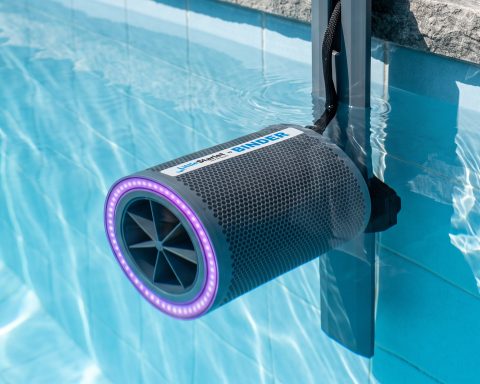
To reassure business owners and adapt to climate challenges, equipment manufacturers have had to completely reinvent their technology. Water management, which has become a sensitive topic during summer droughts, is driving the adoption of eco-friendly filters that consume far less water, thermal covers that stop evaporation, and gentler, eco-conscious treatment systems. While these innovations require a significant upfront budget, they quickly pay for themselves through daily energy savings, while appealing to increasingly eco-sensitive vacationers.
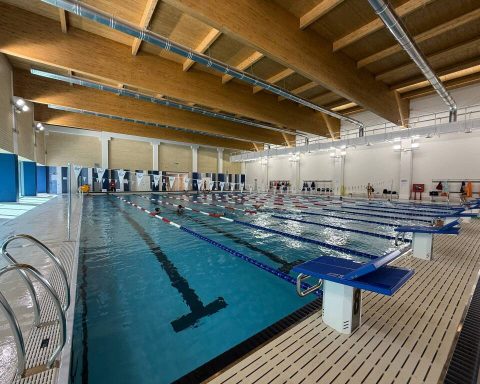
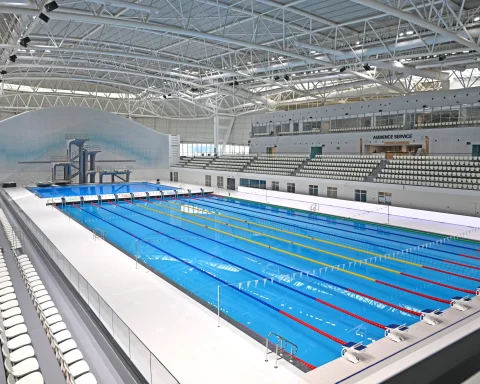
Furthermore, industry experts keep hammering home the same point, repeating that designing a public pool is worlds apart from building a residential backyard pool. The sheer volume of daily swimmers throughout the summer demands incredibly robust structures, heavy-duty pumps, and automated maintenance systems capable of guaranteeing flawless hygiene hour after hour.

An Industry Organizing for the Great Rush
Faced with this surge in demand, the pool industry is structuring and training its workforce. The professional federations have set up dedicated committees to guide hospitality managers through their renovation and building projects. The goal is twofold, aiming to keep the joy of swimming accessible to as many people as possible while transitioning toward a much more sustainable and smart way of managing water resources.
This market effervescence will be highly visible at the upcoming trade shows, where spaces dedicated to commercial and public pool equipment are taking center stage. This is a clear signal that manufacturers have understood that their commercial future is no longer just in private backyards, but right at the heart of the most popular holiday destinations.
A New Deal for Hospitality
For campsite, hotel, or guest house owners, building or restoring a swimming area is no longer just a standard renovation project but rather a major strategic decision that requires a mix of technical, architectural, and legal expertise. That is why the trend is shifting toward long-term partnerships with specialized experts capable of designing tailor-made projects and ensuring regular, professional maintenance.
Ultimately, this widespread professionalization benefits everyone. Tourists enjoy safer, warmer, and cleaner facilities, while property owners secure maximum occupancy rates for their businesses. In a world where tourism must constantly reinvent itself to maintain its appeal, investing in sustainable, spectacular pools has become an absolute necessity to secure the future of the sector.