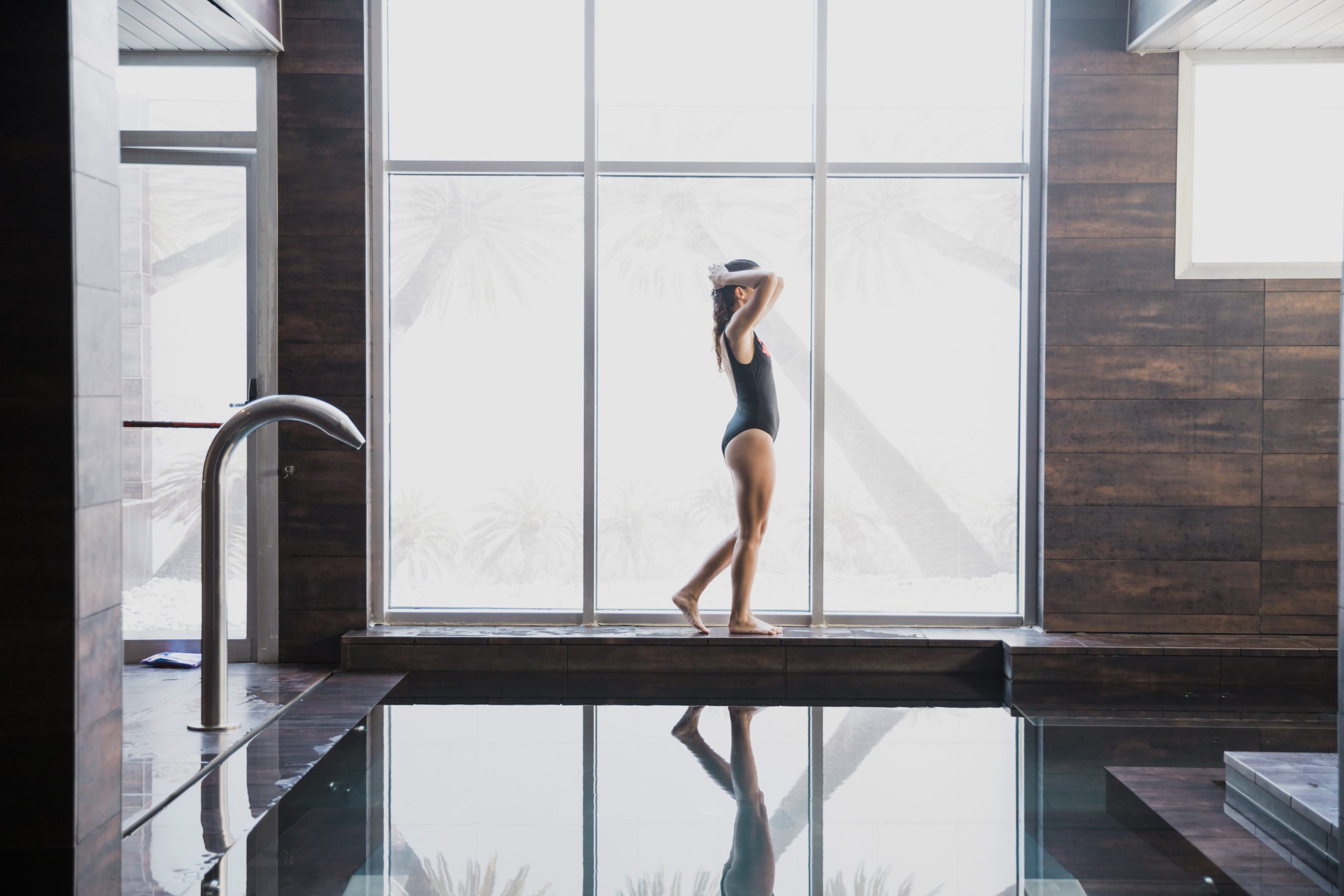
The spa sector is accelerating across Europe, redefining the aquatic experience. Italy is emerging as one of the most dynamic markets on the continent.
2026 is shaping up to be a turning point for the European wellness sector. Among the more than 60 new openings tracked by European Spa Magazine, a clear cross-cutting trend is emerging: water is returning to the centre of wellness design, no longer as an accessory, but as the therapeutic and architectural core of the entire offering. And Italy, in this context, is no exception.
The European landscape
On the international front, the most emblematic case is the Six Senses Spa in London, which opened on 1 March in the former Whiteleys department store. The facility features the first magnesium pool inside a London hotel, alongside a flotation pod and a cryotherapy chamber — a concept that transforms the pool from a recreational space into an active treatment tool.
The Newman Hotel in Fitzrovia follows a similar approach, offering a hydrotherapy plunge pool, Finnish sauna, medical halotherapy room and ice lounge.
Italy accelerates
The Italian market stands out for the quality and variety of projects underway. Since the end of 2025, the luxury hospitality sector has expanded significantly across the country, with more than 96 high-end projects concentrated in major cities, mountain resorts and coastal destinations.
Among the most notable openings is the Mandarin Oriental Venice, the upcoming rebranding of the San Clemente Palace on a private island in the lagoon, featuring 136 rooms, a spa, restaurants and views of San Marco. In Florence, Borgo Pignano Florence by Relais & Châteaux will open this summer with 32 rooms, a private villa and a spa with a 30-metre pool overlooking the Tuscan hills.
On the water as a defining element, QC Treviso — a new opening by QC Spa of Wonders expected by late summer, with an investment of approximately 16 million euros in co-investment with the Benetton family — will include a spa expanded to around 4,000 square metres, new pools and a natural lake as a distinctive feature of the offering.
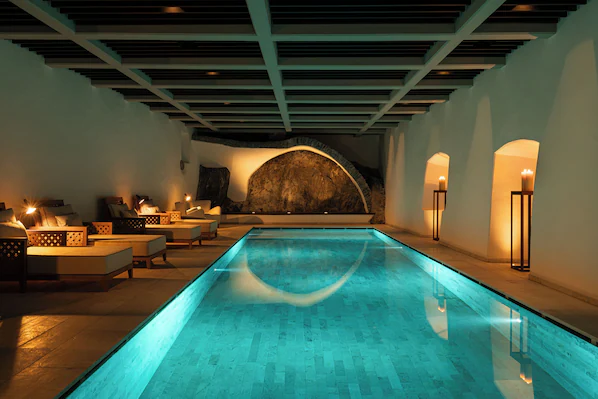
In South Tyrol, the restoration of historic heritage meets contemporary wellness: Castel Badia, a medieval fortress in San Lorenzo di Sebato, has opened a spa built within the former convent cells, with treatments inspired by the herbal traditions of the abbesses who lived there from the 11th to the 18th century.
Thermal bathing and prevention: the Italian model evolves
The most distinctive feature of Italian wellness in 2026 is the evolution of the thermal bathing model towards preventive healthcare.
Programmes now combine thermal waters, mud therapy and hydrotherapeutic treatments with targeted check-ups, nutritional guidance and psychophysical rebalancing plans, positioning thermal establishments as hybrid spaces between wellness and healthcare.The one-size-fits-all treatment model is giving way to personalised pathways tailored to age, lifestyle, physical condition and individual goals.
New facilities in Tuscany and the Dolomites are integrating natural mineral waters with advanced treatments such as detox and anti-stress therapies, reinforcing a territorial identity that places Italy among the most dynamic wellness markets in Europe.
The overall message is clear: the pool of the future is not simply a body of water, but a fully-fledged therapeutic tool — and Italy has every asset to lead this transformation.
Sources: European Spa Magazine, Falstaff, Hotellerie Pambianconews, SUITCASE Magazine, Travel and Tour World, GogoTerme
Header pic by Freepik