In Italy, the regional government of Liguria has sparked intense controversy after approving the construction of private swimming pools. Critics are targeting overtourism and the expansion of second homes within protected natural areas.
The delicate balance between environmental preservation in protected zones and the pressure of the luxury real estate market is once again under strain.
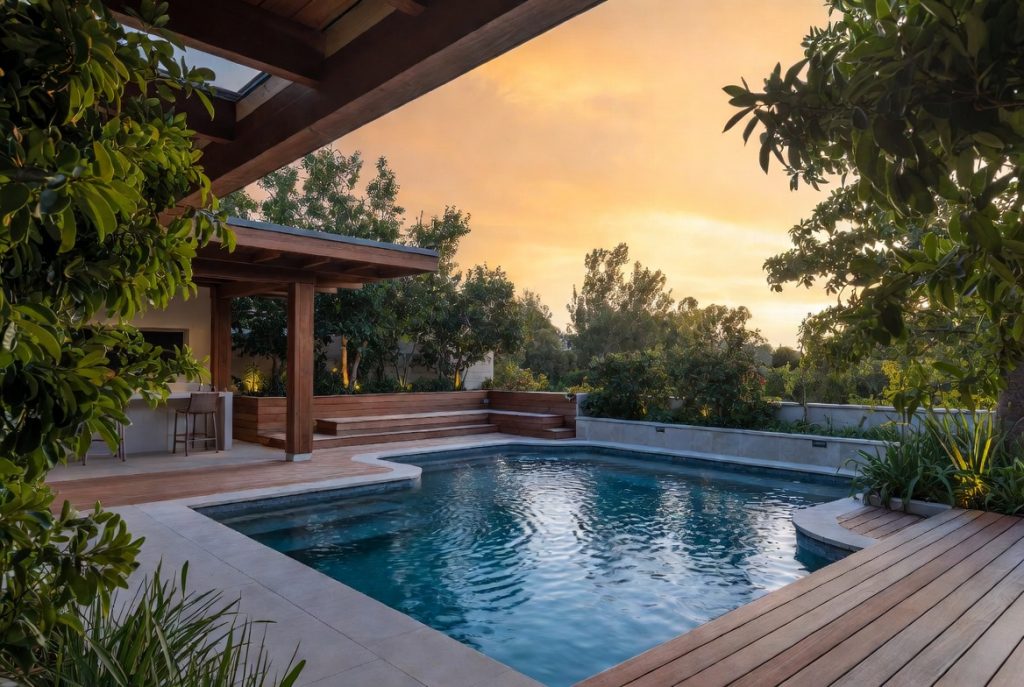
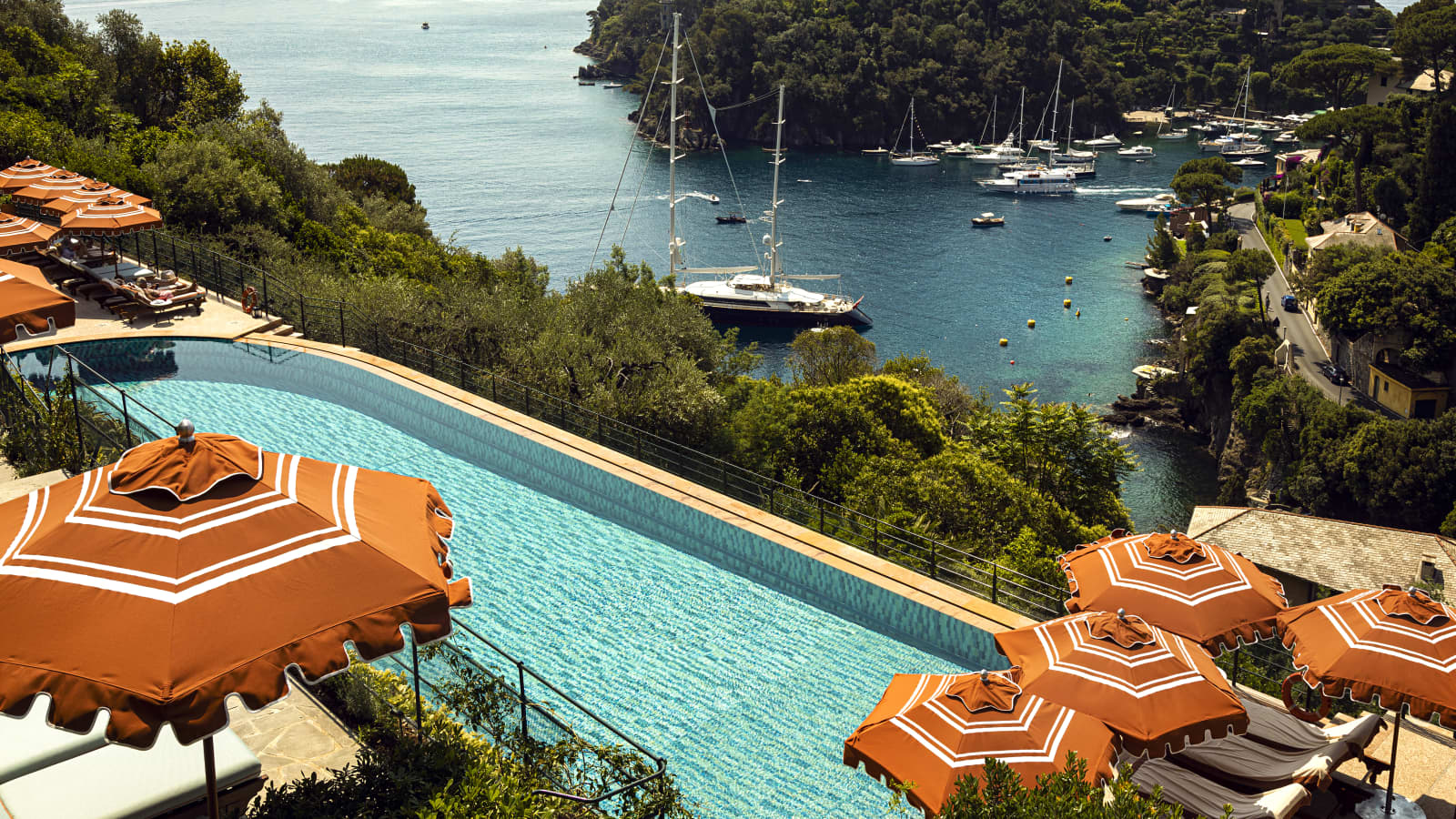
The Regional Council of Liguria has approved an amendment to the Portofino Park Plan, introducing a crucial shift: the green light for building private residential swimming pools within the protected area, provided that the property complexes currently lack them.
The measure excludes only the pristine village of San Fruttuoso. This exception highlights a regulation that otherwise clears the way for private installations in high-value areas such as La Cervara and Paraggi. Notably, interventions within the monumental complex of La Cervara remain subject to an Implementing Urban Plan, the agreement of which will also regulate the public use of the facilities.
To understand the scale of the controversy, one must consider the uniqueness of the location. Portofino is no ordinary municipality: it is a tiny promontory world-famous for its untouched nature and cliffs sheer to the sea. As a regional natural park, every single square meter has been subject to highly rigid protection restrictions for decades.
Until recently, altering the landscape or adding artificial features like swimming pools was nearly impossible. This is why the opportunity to excavate and build private pools in such a protected and fragile ecosystem has triggered an immediate outcry from environmentalists.
Swimming pools as a value driver for second homes
The decision touches upon another open wound for the region: the excessive concentration of second homes and period villas, purchased by wealthy non-resident buyers and increasingly converted into luxury short-term rentals. In this context of ‘elite tourism,’ a swimming pool is no longer a mere option, but a fundamental commercial asset.
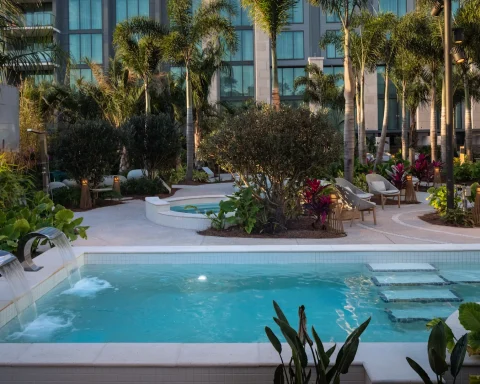
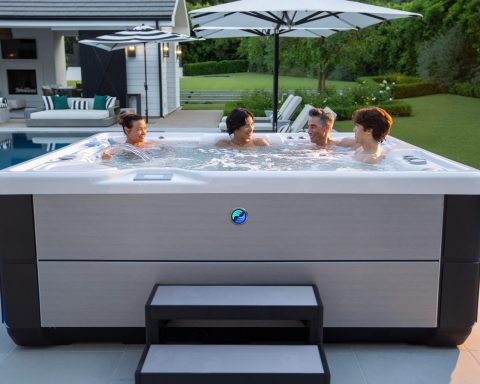
Property owners are pushing to equip buildings with inground pools, plunge pools, or heated spas to attract high-end international clients—willing to pay thousands of euros per night—on tourist rental platforms.
Data from the Park Authority over recent years confirms that the demand for swimming pools is rising sharply, during which time temporary permits for seasonal bathing structures were granted.
However, this progressive transformation risks altering the core identity of the promontory. It threatens to turn the protected area into a mosaic of private pools serving a transient, less sustainable form of tourism, to the detriment of historic residents who see local services vanish in favor of second homes.
New private installations and national park restrictions
While the regional majority defends the measure as an opportunity to upgrade the local tourism offering and modernize residential amenities, opposition councillors and environmental movements strongly contest the choice.
The accusation is one of yielding to the logic of ‘development at all costs,’ authorizing water-intensive facilities at a historical moment marked by severe climate challenges and water stress.
Furthermore, the push toward the proliferation of new pools occurs within an unstable regulatory framework. The Council of State recently rejected the Liguria Region’s appeal to keep the park’s boundaries restricted to just three municipalities (the so-called stamp-sized park), confirming the illegitimacy of such a reduction ahead of the establishment of the future National Park.
According to conservation committees, deregulation allowing the installation of pools at the exact moment judges are demanding maximum scientific protection criteria represents a blatant strategic contradiction.
Image credits: Splendido Portofino (belmond.com)
Sources: Regional Council of Liguria – approval of the cartographic and regulatory amendment to the Regional Natural Park of Portofino Plan and its related Regulation for the redevelopment of building heritage; genova24.it; radioaldebaran.it