Continuing education for pool professionals is taking a new turn this winter, with a tightened programme built around remote sessions organised by the French Federation of Pool Professionals (FPP — Propiscines). Starting in November 2026, around ten short sessions will cover subjects ranging from liner installation to waste management and contract drafting, in a format designed to fit around installers’ tight schedules rather than the other way round.
An offer open well beyond the federation’s own members
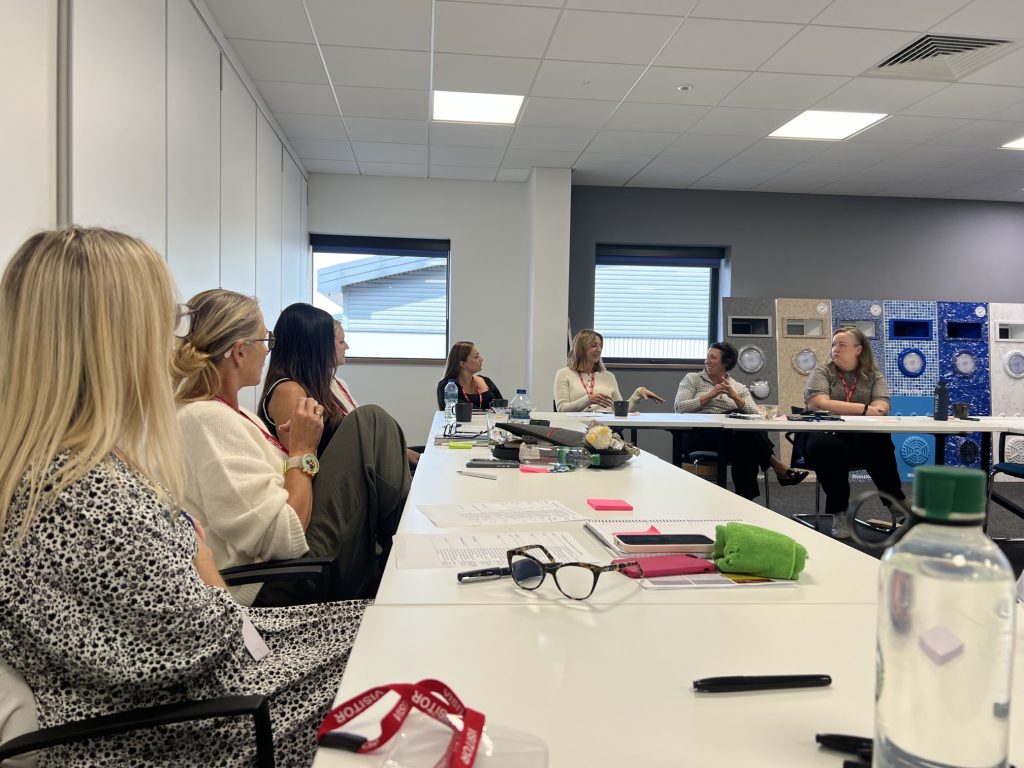
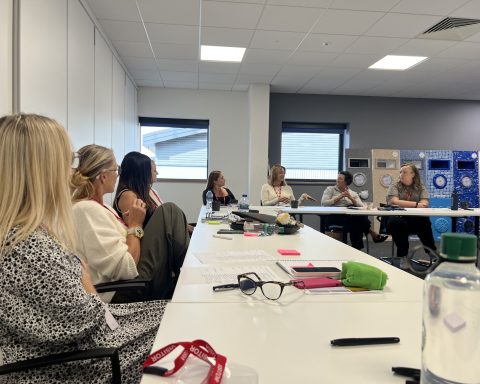
The decision by the FPP to open these sessions to non-members as much as to federation members is no small detail. It reflects a clear intent to raise standards across the whole trade rather than keep skill building within a limited circle, in a sector where most businesses remain small operations with little room for formal training. Each session runs for two hours, held in the morning from nine thirty to eleven thirty, alongside the Matinées du piscinier, another two hour format launched in mid September that offers several dates each month built around practical, everyday advice. Registration for all modules is handled directly on the FPP Propiscines portal.
Topics that map out the trade’s real pressure points
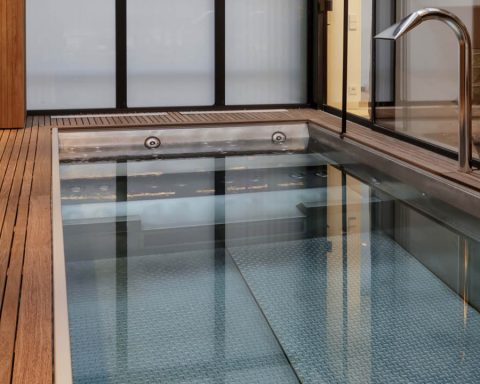
Far from a generic catalogue, the programme unveiled for the coming months closely mirrors the friction points professionals regularly run into on site. Technical questions take centre stage, with sessions on the installation, upkeep and maintenance of liners in early November, followed by reinforced membrane a few days later, two coverings that remain among the most common on the French market and therefore among the most likely to trigger disputes when something goes wrong. European standards for residential pools round out this technical strand in late November and early December, separating requirements around water circulation and distribution from those covering the structure itself.
Regulatory matters get just as much attention. One session on urban planning sets out to demystify local zoning rules in order to improve the odds of securing a building permit, a topic carrying more weight as municipalities tighten their siting rules. Waste management also gets its own session on obligations and practical steps, repeated again in January 2027, a sign that environmental compliance is settling in as a lasting training priority rather than a one off concern. Chemical safety rounds out this regulatory track, with a session scheduled for March 2027 dedicated to the safe use, transport, and storage of water treatment products.
Contracts and legal risk, a rising theme
Among the topics on offer, the session on contract drafting deserves particular attention. Framed around reducing the risk of being held liable by a client, it will run again in March 2027, evidence that demand exists well beyond a single one off session. This comes as no surprise in a sector where disputes tied to pool construction or renovation remain a frequent source of litigation, often rooted in contracts drafted too quickly or offering too little protection to the installer. Training professionals to lock this down upfront, rather than firefighting a dispute later, fits a prevention minded approach that benefits businesses and their clients alike.

Commercial pools, a segment that demands its own expertise
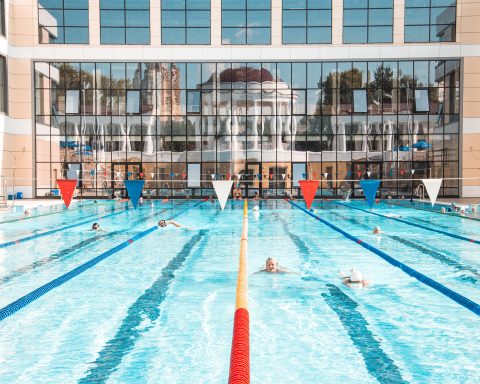
Two consecutive sessions in late January 2027 will focus specifically on the regulations, then the standards, governing pools for collective use. This segment, distinct from the standard residential market, comes with markedly stricter health and safety requirements, whether for municipal pools, campsites or venues open to the public. Devoting two full sessions to it rather than a single one shows the federation views this market as specific enough to warrant in depth treatment, rather than folding it into a general approach built around private homeowners.

What this programme says about the industry
Taken as a whole, this training calendar says something fairly clear about how the trade is evolving. Technical know-how alone no longer keeps a pool business safe; professionals now also need a solid grip on the regulatory framework, contractual risk and environmental obligations, or they risk disputes or penalties that can hit a small operation hard. By betting on short, fully remote formats, the Federation of Pool Professionals is also answering a very practical constraint faced by installers: closing the business for several days to attend training simply isn’t an option in a trade where billable time remains a scarce resource.