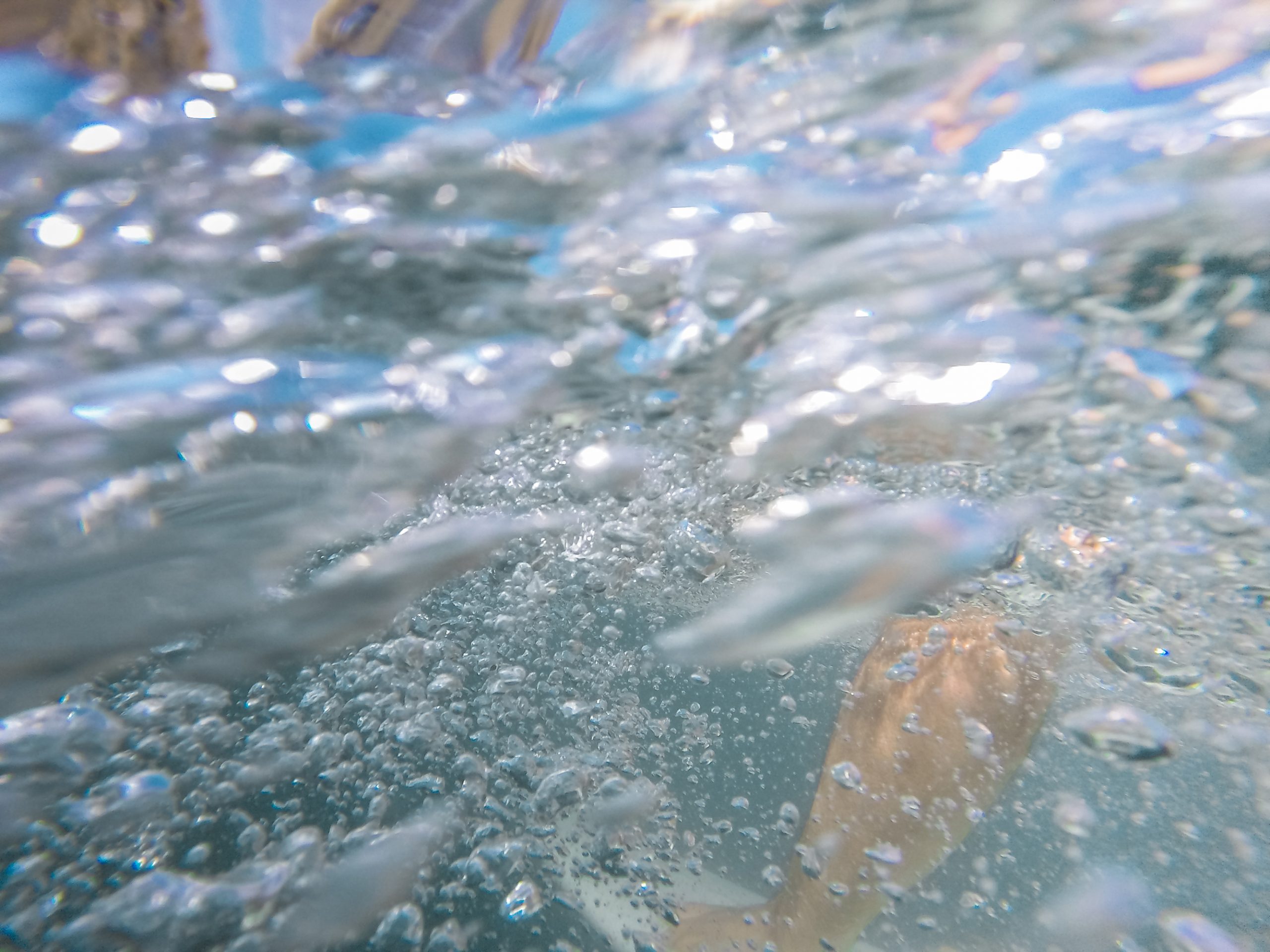
On June 12, 2026, the Italian National Institute of Health (ISS) will present new multi-sectoral actions. The plan includes epidemiological monitoring, open water risk management, and safety standards for swimming pools.
The Italian National Institute of Health (Istituto Superiore di Sanità – ISS) will host a national conference in Rome on June 12, 2026. The event is titled “Towards a National Strategy for Drowning Prevention.”
The National Center for Water Safety (CENSIA) promotes this second edition of the conference. The event will use a hybrid format. Participants can attend in person at the Marotta Hall in Rome, or watch the live stream via Microsoft Teams. This format allows experts, institutions, and international observers to follow the data closely.
The Epidemiological Data: Open Waters vs. Swimming Pools
Drowning is a global and local public health emergency that remains severely underestimated. Statistical data highlights the severity of this issue across different swimming environments:
- The Italian Context: Italy records an average of 400 drowning deaths each year. Most fatal events occur in open waters, such as marine coasts, lakes, and rivers. However, swimming pools and residential facilities present specific and alarming risks.
- High-Risk Groups in Pools: Statistics show that young children aged 1 to 4 face the highest absolute risk. For this demographic group, almost all drownings occur in confined spaces. These spaces include private, family, or inflatable pools. The main causes are a lack of safety barriers and brief moments of unsupervised play.
- The Global Scenario: Internationally, drowning is among the top ten causes of death for individuals aged 1 to 24. The World Health Organization (WHO) estimates a global toll of approximately 236,000 victims every year.
Program Goals and Safety Standards
The ISS plan aims to create a structured, multi-sectoral strategy. This initiative aligns directly with global WHO recommendations and integrates Italy into the international prevention network.
The scientific program focuses on three main areas:
- Better Data Collection: Strengthening epidemiological surveillance to map accidents accurately, including non-fatal incidents in swimming pools.
- Physical Barriers: Improving safety measures and introducing standardized physical barriers for residential pools.
- Global Protocols: Aligning lifesaving and beach safety protocols with European and global standards.
Health experts, institutional representatives, and researchers will collaborate during the event. Their goal is to promote a unified culture of prevention and share effective intervention models for both natural and artificial environments.
How to Register and Participate
Participation in the conference is free. The event targets healthcare professionals, researchers, pool managers, journalists, and international stakeholders interested in water safety models. The deadline to submit registrations is today, June 9, 2026. To join the event in person or remotely, participants must complete the online registration process.
The registration form is available directly on the official ISS conference portal.
Image by Freepik
Sources: ISS, CENSIA, WHO, professioneacqua.it