Having a pool is proving to be a powerful tourism driver. It shapes both revenue and guest preferences. Here’s a closer look at how a pool boosts a property’s performance — and where Italian hospitality still has room to grow.
In Italy’s summer tourism market, the pool has evolved from a simple amenity into a genuine purchase driver. It now reshapes the positioning and profitability of hotels, agriturismi, holiday villas, and other short-term rental properties.
For travelers choosing where to stay — and for hosts setting their rates — water features deliver a measurable economic impact. In fact, they shift occupancy patterns and stretch Italy’s tourist season.
The Revenue Multiplier: Average Rates and Occupancy
In the hospitality and short-term rental sector, installing a pool has an immediate effect on two key profitability metrics: average daily rate and occupancy.
A price premium. Data on Italian accommodations shows that pools drive up average daily rates by 30% to 50%, compared with similar properties in the same location without one. Among premium listings or those offering private pools, that gap can exceed 60% during peak summer season.
A boost in occupancy. During high season, pools push occupancy rates up by 15 to 25 percentage points. In the short-term rental sector, properties with pools hit occupancy rates of 85–90% in July and August. That’s enough to eliminate their reliance on coastal or lakeside locations.
The Driver Behind Foreign Tourism
Italy’s tourism market relies heavily on international demand — and a pool acts as a key filter in how foreign travelers search for accommodation.
Booking patterns on major global platforms, including Airbnb, Booking.com, and Vrbo, tell a clear story. A pool consistently ranks among the top three filters used by travelers from Northern Europe — Germany, the Netherlands, the UK, and Scandinavia — as well as the United States.
These guests tend to stay longer and spend more than domestic tourists. For them, a pool isn’t a nice-to-have. It’s often a deal-breaker.
A Strategic Lever for Hillside Destinations and Shoulder Season
Along the coast, a pool complements the sea. But in hillside and rural destinations — think Tuscany, Umbria, Puglia, the Langhe, and Italy’s lake districts — it becomes the centerpiece of the whole tourism offer.
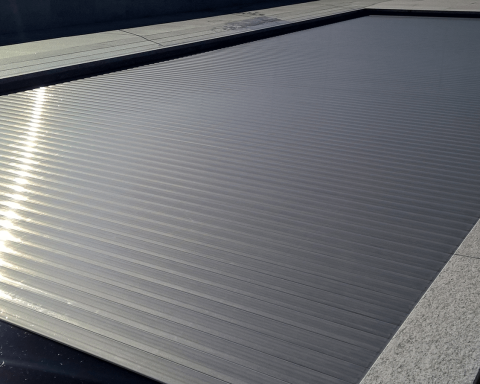
A longer season. Heating technologies, like solar-powered heat pumps, along with thermal covers, let operators extend their bookable season. This pushes the high-occupancy window out by about two months, making May, September, and even early October commercially viable.
A faster return on investment. Higher rates combined with a longer season generate extra gross revenue. This typically covers the cost of building an in-ground pool for hospitality use — between €20,000 and €45,000 — within three to five years of operation.
How Italy Compares to European Competitors
Across Europe’s summer hospitality landscape, Italy still lags behind its main Mediterranean competitors when it comes to pool penetration.
Spain and Greece lead the way. In both countries, over 40% of independent accommodations and vacation rentals offer a shared or private pool.
Italy is catching up. By comparison, only 18–22% of Italian accommodations currently have one. That gap, though, is also an opportunity. With fewer competitors offering pools, Italian properties that do can command an even bigger price premium than their Spanish or Greek counterparts.
Looking ahead, the real challenge for Italian hospitality will be upgrading pool infrastructure to meet higher energy-efficiency and water-conservation standards — a key step in staying competitive across the European tourism landscape.
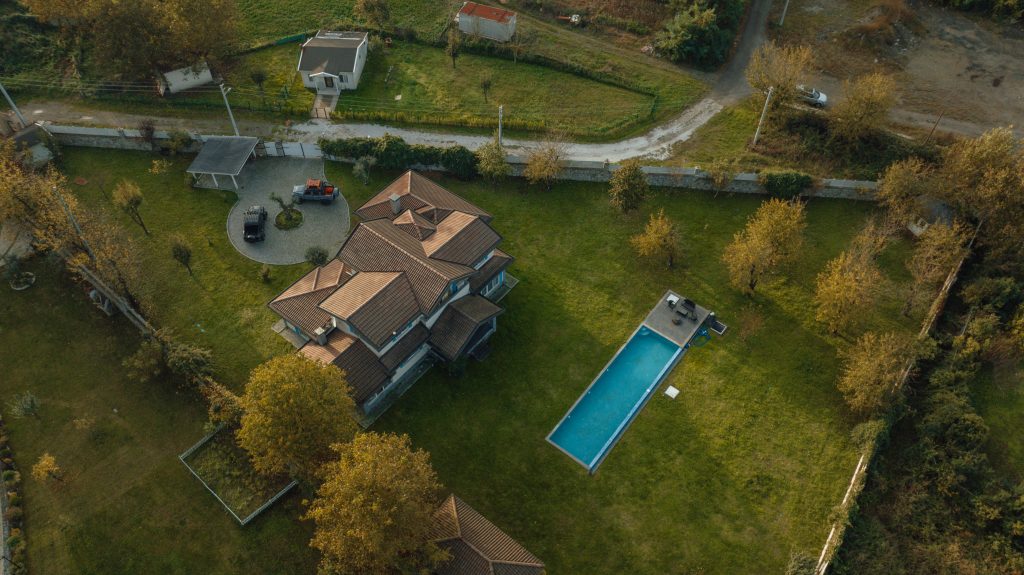
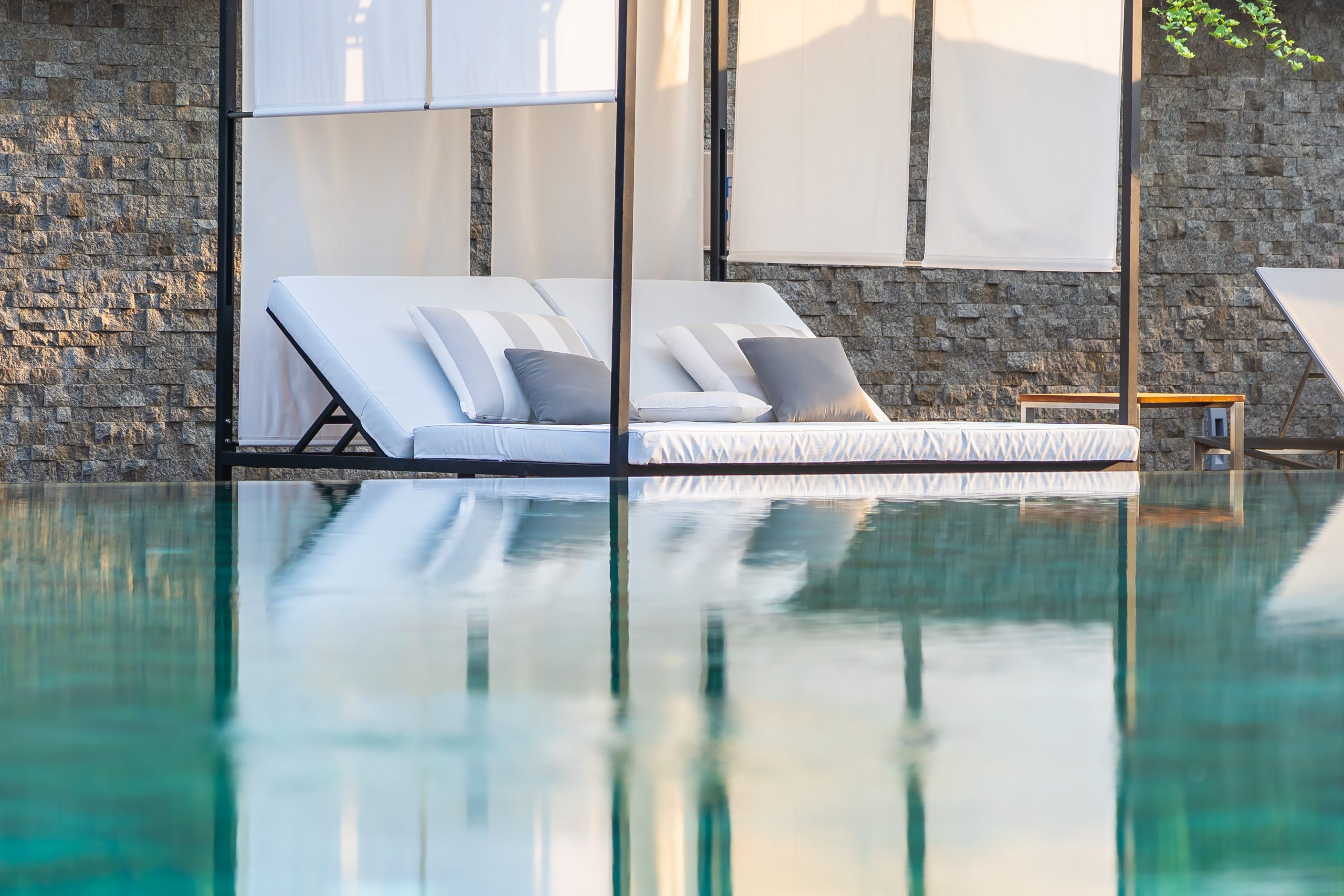
Image by lifeforstock on Magnific
Sources: AirDNA; ASOFAP; Osservatorio Nazionale del Turismo; ISTAT; agriturismo.it; Fédération des Professionnels de la Piscine et du Spa