After several years of steady increases, homeowners planning a pool project can finally catch a breather on the tax front. The French pool development tax (taxe d’aménagement) is dropping in 2026—a rare shift in tax policy that pool builders can leverage to reassure hesitant prospects ready to build.
A lower national fixed rate for 2026
In practical terms, the national fixed rate for pool taxation drops to €251 per square meter this year, down from €262 the previous year. For a standard 30-square-meter pool, this translates into tangible savings on the taxable base, serving as a welcome psychological boost for budget-conscious clients.
This fixed rate applies to all pools over 10 square meters, whether in-ground, semi-inground, or non-dismountable above-ground. Meanwhile, micro-pools under 10 square meters remain 100% tax-exempt, making them an even easier sell for space-conscious urban gardens. Compact pools are also much easier to manage during periods of drought—be sure to check out our summer guide to pool water restrictions to help your clients navigate local usage rules.

Understanding local rates and variations
While the drop in the national baseline is great news, it should not overshadow the crucial local factor of this tax system. The actual total paid by the homeowner depends heavily on rates voted by the municipality, the department, and sometimes the region.
Consequently, two identical pools built in neighboring towns can yield significantly different tax bills. Offering clients a realistic local tax estimate during the quoting stage builds trust and prevents unpleasant administrative surprises down the line.
Mandatory declaration rules still apply
Crucially, clients must not mistake this tax relief for a relaxed reporting obligation. Declaring a pool project remains strictly mandatory in 2026, regardless of the final tax amount owed.
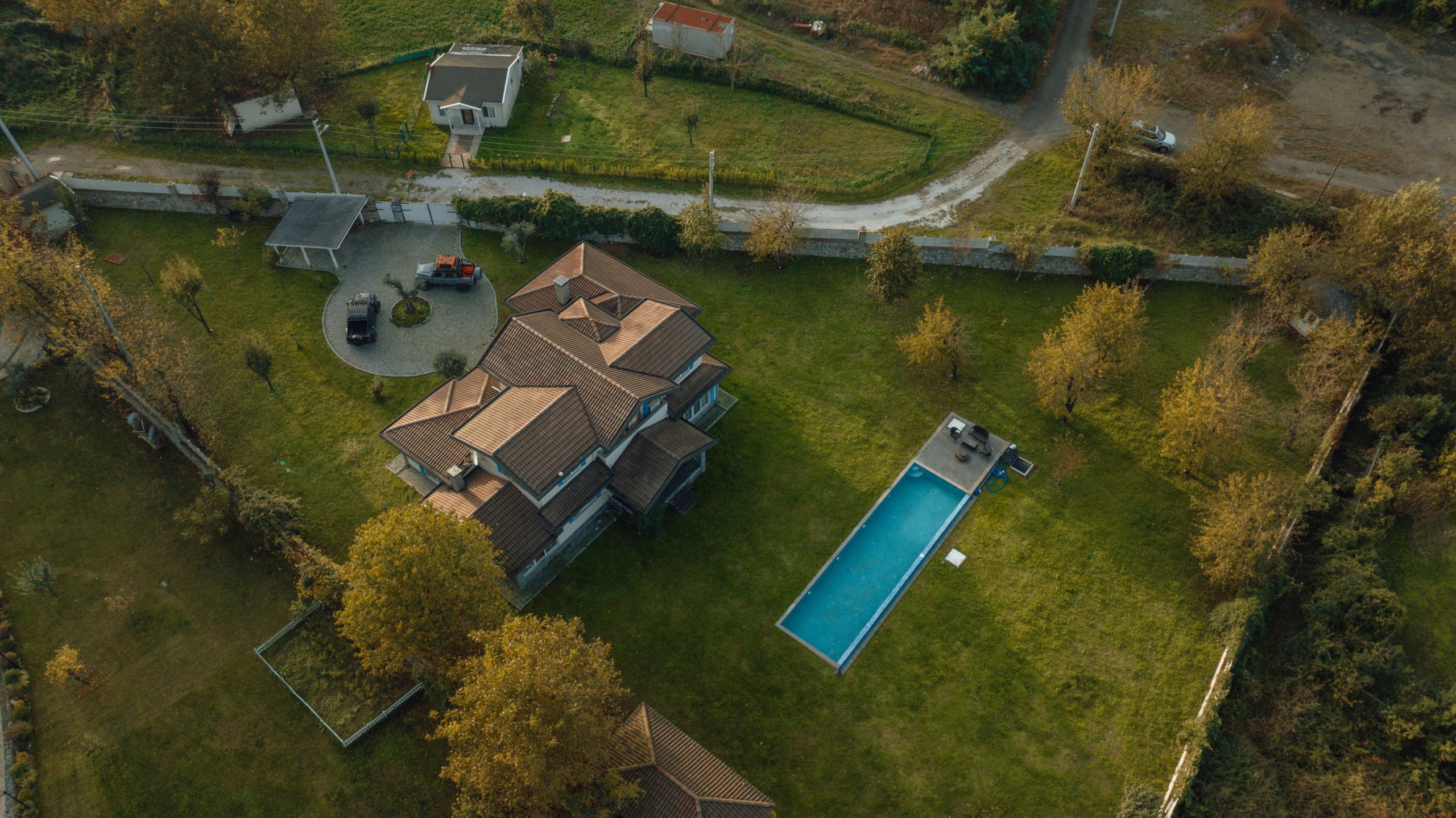
Every installation must be registered within the official deadlines following completion, especially as tax authorities step up automated compliance checks using satellite technology. Reminding clients of this unchanging requirement protects their investment and positions you as a responsible industry guide.

Using tax relief as a powerful sales tool
Beyond regulatory compliance, this update offers a genuine commercial advantage for pool professionals. In a market regaining strong momentum, letting hesitant buyers know that their project’s tax burden is easing gives them an extra reason to finalize their decision. Weaving this positive news into your sales pitches helps ease client concerns over rising ownership costs and keeps project pipelines moving forward smoothly.