Keeping a pool at the right temperature is no longer only about comfort. It has become a strategic issue for operators. Energy price volatility and environmental pressure are reshaping technical choices. As a result the pool industry is looking for practical alternatives to traditional heating systems.
In this context wood powered pool heating is gaining strong interest. It combines thermal performance cost stability and local resource use for public authorities and private operators.
Herbignac as a real world proof of concept
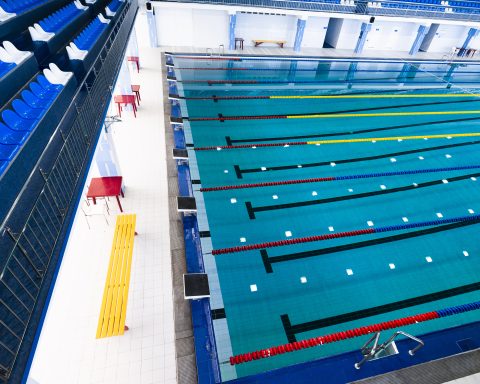
The energy transition is already happening on the ground. In western France the public swimming pool of Herbignac has chosen a wood based heating system using locally sourced biomass. This project is not a simple pilot. It shows how renewable energy can be applied to aquatic facilities while reducing their carbon footprint.
According to ADEME wood energy is the leading renewable heat source in France and plays a key role in decarbonising public and commercial buildings. Wood based heating systems are now considered mature solutions for large scale facilities such as swimming pools and wellness centres.
A performance driver for pool and spa operators
For pool and spa professionals the benefits of wood heating go far beyond environmental aspects. First it helps stabilise operating costs over time. Biomass fuel prices remain more predictable than gas or electricity. This improves financial visibility for operators. In addition wood energy supports local supply chains and regional economies.
This approach also meets growing user expectations. Guests and visitors increasingly value responsible and low carbon leisure facilities. Communicating about a wood heated pool strengthens brand image. For hotels aquatic centres and spa resorts it becomes a strong positioning factor linked to sustainability and long term commitment.
A mature technology built for operational stability
Modern biomass heating systems are now fully adapted to intensive uses such as public pools. High capacity wood or pellet boilers can deliver constant thermal output and cover large water volumes. French industrial suppliers are developing turnkey biomass boiler rooms designed for aquatic infrastructures.
Coupled with high efficiency heat exchangers these systems ensure stable water temperature and compliance with sanitary requirements even during peak attendance. Thermal stability is a key parameter for user comfort and water quality management.
More projects now combine biomass with other renewable sources such as district heating networks that supply several public buildings including swimming pools. This hybrid approach further strengthens energy resilience at local level.
Anticipating technical integration and regulatory compliance
Switching to wood heating requires a structured project approach. The boiler room must be accurately sized according to pool volume and seasonal demand. Fuel storage logistics must be planned to secure sufficient autonomy. Maintenance procedures must be integrated into daily operations.
Operators also need to align heating cycles with filtration and water treatment systems. Continuous heating can affect thermal balance and requires fine tuning of technical parameters. Close coordination between energy engineers pool specialists and facility managers is essential.
Compliance with public health regulations remains a core requirement. Temperature stability directly supports microbiological risk prevention and overall user safety.
Towards a new energy standard for the aquatic sector
Wood powered pool heating is becoming a credible long term solution for professional aquatic facilities. It combines economic performance with environmental responsibility. It also helps reduce dependence on fossil fuels. For spa and pool professionals mastering these technologies is becoming a real competitive advantage when advising clients seeking both efficiency and meaning in their projects.
This approach is fully aligned with the objectives of the Stratégie Nationale Bas-Carbone and with broader European decarbonisation targets.
Sources :