The Chamber of Deputies has unanimously approved stricter rules on suction outlets, but Italy’s pool infrastructure may not be ready.
On July 23, the Italian Chamber of Deputies approved, with cross-party support, an amendment to the Sport Decree Law focused on the safety of swimming facilities: public and private pools, those open to the public, and collective-use pools alike.
What the New Rule Requires
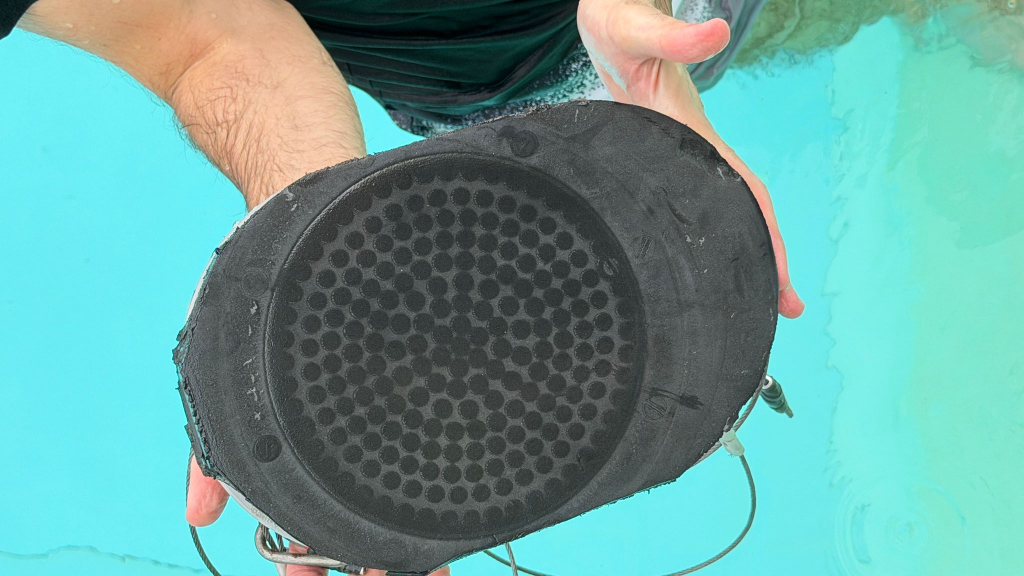
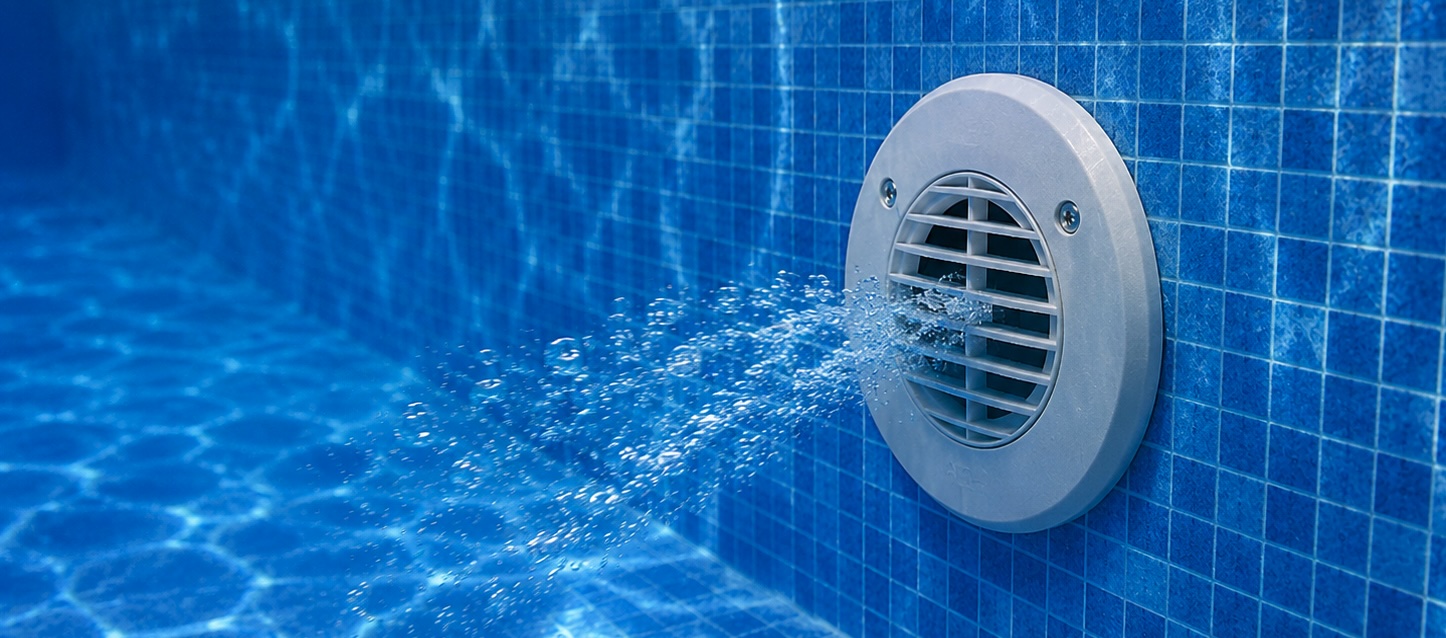
At the heart of the measure are the water recirculation and filtration systems. Bottom grates, suction outlets, and any other suction device will need to guarantee conditions that rule out swirling currents strong enough to create a suction, or “vortex,” effect on any part of a swimmer’s body.
Facilities that fail to comply face immediate closure, suspended until safety conditions are restored. The rule will take effect as early as August 1, leaving operators a very narrow window to act.
The amendment also establishes a fund of €4,725,000 for 2026, earmarked to support the upgrading of public pools.
Why Now
The decision follows a summer marked by tragic incidents: in mid-July, in Sestri Levante, an 11-year-old girl died after her hair became trapped in the suction outlet of a hot tub.
Between 2024 and 2025, Italy’s National Institute of Health (Istituto Superiore di Sanità) recorded 37 drowning-related deaths in pools, more than half of them involving children under 14. According to several lawmakers, these figures made intervention impossible to postpone any longer.
How Many Pools Are Actually Compliant?
While its goal is widely shared, the new rule opens up a complicated scenario. Italy still lacks a solid culture of certification for water treatment systems: Ministerial Decree 37/2008 requires a declaration of conformity for these systems too, but this obligation is often overlooked or never properly verified.
According to Rossana Prola, vice president of Acquanet, chair of the UNI Committee on sports facilities, and a swimming pool safety expert, the most serious accidents are rarely a matter of chance — they typically result from design, installation, or maintenance errors, often linked to protective grates that are missing, broken, or removed.
The problem is as much about scale as it is technical: industry estimates suggest that most pools built after 2008 do not hold the required declaration of conformity, while for those built before that date — when the obligation did not yet exist — it isn’t even clear which criteria should apply.
Under current standards, virtually no suction system installed before 2008 would qualify as compliant. This means the number of facilities potentially affected by inspections — and therefore at risk of closure, even if only temporary — could turn out to be far higher than the rule itself suggests.
Only once technical inspections get underway in the coming months will the true scale of the problem become clear, along with the investments the industry will need to make to bring itself into compliance.
Image credit: Professione Acqua
Sources: Professione Acqua, ANSA, AGI, Il Sole 24 Ore