As summer hits, pool maintenance demands special attention to one key factor: water temperature. This affects the human body’s health, energy consumption, running costs, and the water’s biological quality.
In recent years, hotter and more humid summers have made pool overheating a frequent problem across all of Italy and in most of Europe. The challenge now is preventing water from getting too warm.
The science verdict: effects on the human body
There’s no single ideal temperature for every situation. For a private residential pool, the recommended temperature usually falls between 26°C and 28°C. Keeping the water stable within this range supports both physical comfort and water hygiene.
Technical and sports guidelines break temperatures down by pool use:
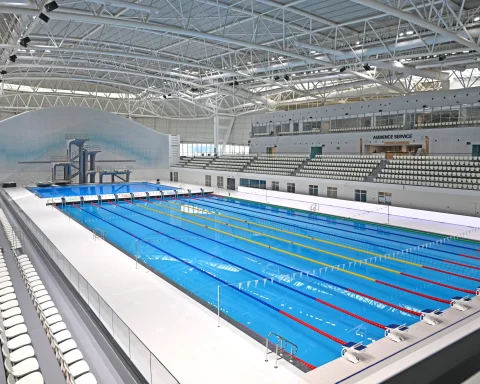
Sports and swimming: 25°C-26°C (up to 28°C under World Aquatics competition rules). Physical effort generates a lot of body heat. Slightly cooler water helps the body regulate its temperature, preventing early fatigue, dehydration, and blood pressure drops. Below 24°C, however, muscles tend to stiffen up against the cold.
Relaxation and recreational swimming: 27°C-28°C. This is the ideal balance for long stays and play. It delivers instant relief from summer heat without the shock of jumping into cold water.
Beyond the threshold
Above 28°C, the cooling effect of a swim disappears. The water starts to feel “heavy” and stuffy on the skin, dulling the refreshing rush of a summer dip.
The only exception applies to very young children and the elderly, who have a reduced capacity for temperature regulation. For these groups, temperatures around 29°C are generally tolerable, but only for shorter sessions.
Some regulated facilities — particularly public pools with dedicated children’s areas — run even warmer, up to 31-32°C.
Why does pool water overheat?
Summer overheating is a multi-factor problem, driven mainly by five causes:
- Prolonged sun exposure: Long hours of direct sunlight act as a constant, natural heat source.
- High air temperatures: Daytime heatwaves gradually warm the water mass through thermal conduction.
- Using thermal covers during the day: Leaving a solar cover on during sunny hours creates a greenhouse effect, trapping heat instead of letting it escape.
- Poor water turnover: Without regular additions of fresh water, heat builds up day after day.
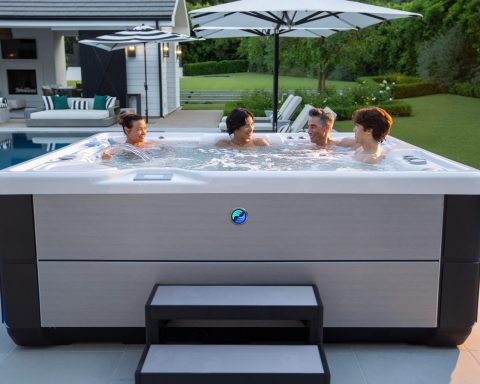
- Small pool volume: Mini pools and outdoor spas, with their limited water mass, swing in temperature much faster than larger pools.
The economic impact: costs and water chemistry
Crossing the 28°C threshold drives up running costs and destabilizes the pool’s chemical balance.
Warm water speeds up disinfectant breakdown. Chlorine evaporates and loses effectiveness much faster, requiring significantly larger amounts of chemicals to keep the water safe.
High temperatures also create ideal conditions for algae, bacteria, and other microorganisms to thrive. In intense heat, water can turn green within hours, requiring longer filtration cycles and pushing up electricity use.
Evaporation and energy costs
The warmer the water, the faster it evaporates. This means constant top-ups with cold water, which throw off chemical balance and force heating systems — like heat pumps — to work overtime overnight to restore the set temperature. According to general industry estimates, each additional degree above 26°C can push overall energy consumption up by as much as 10-30%.
Strategies for efficient management
A few management practices can help maximize comfort while keeping costs down:
- Use the thermal cover correctly: Fit it only at night to block evaporation and trap accumulated heat. Removing it during the day lets the water breathe, avoiding the greenhouse effect.
- Plan filtration carefully: During the hottest hours of the day, proper circulation is essential to distribute chemicals evenly and prevent heat from pooling.
- Use backwashing strategically: Take advantage of routine filter backwashing to bring in fresh water from the mains supply, naturally lowering the overall temperature on the hottest days.
Image by freepik
Sources: ENEA, UNI, Assopiscine, Acquanet, FIN, Italian Ministry of Health