The year 2026 marks a decisive milestone for the French aquatic sector with the entry into force of the new decree relating to water sanitary safety. Published in the Official Journal at the end of 2025 this text fundamentally modernizes the quality and maintenance requirements for a large number of pools in the country.
This reform does not just adjust technical details since it harmonizes French law with the strictest European directives. For industry players it is now crucial to understand the scope of application of these measures to ensure compliant and secure management of swimming facilities.
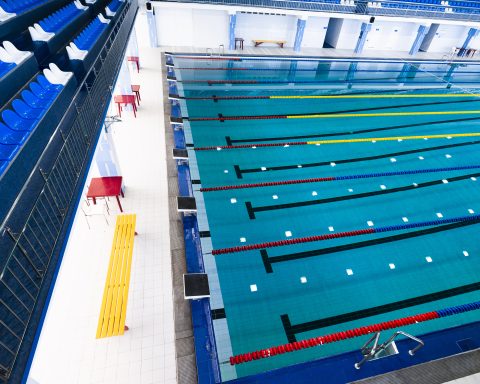
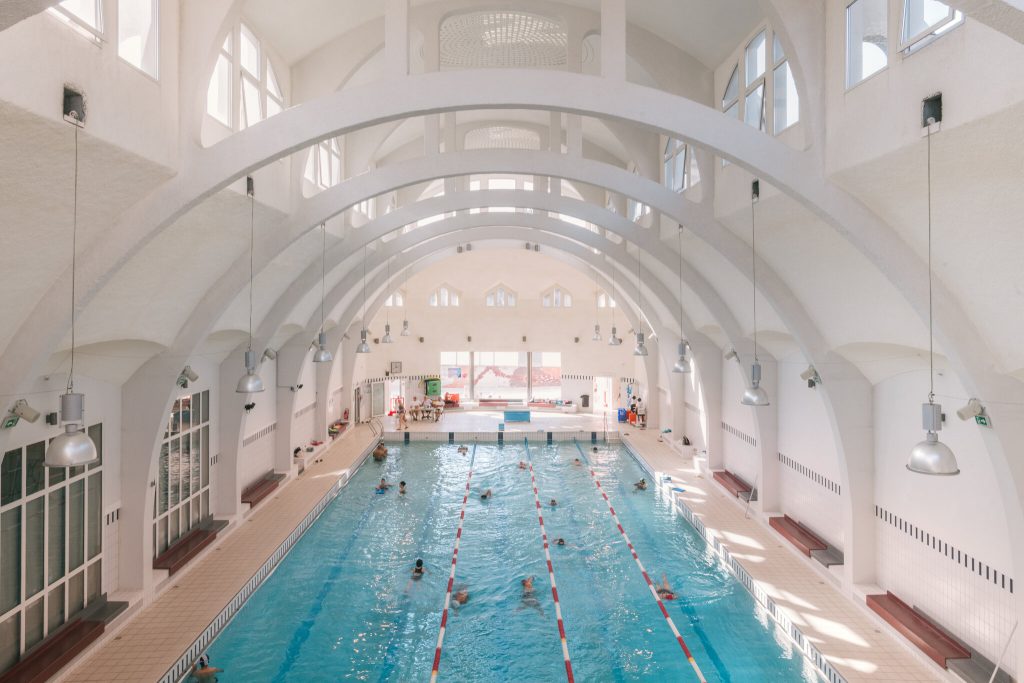
It is important to clarify that these new obligations primarily concern pools open to the public or for collective use. This regulatory framework therefore applies to municipal pools but also to facilities in hotels, campsites, wellness centers, and holiday residences.
Pools located in collective housing complexes are also targeted as long as they are not strictly reserved for private family use. In contrast individual residential pools remain outside this specific sanitary control system.
This distinction allows monitoring efforts to be concentrated on locations where attendance requires increased vigilance to prevent any epidemiological risk.
Water drainage management now dictated by actual water quality
One of the most striking changes is the end of the systematic annual drainage obligation for all large pools. French regulations now favor a more sustainable approach based on compliance with water aging indicators.
For classic pools drainage should only be carried out when quality parameters are no longer met. However particular rigor is maintained for more sensitive structures. Paddling pools and whirlpools larger than ten cubic meters must be drained at least twice a year.
For smaller spas the frequency is much higher with a mandatory complete drainage twice a month to guarantee impeccable hygiene despite the low water volume.
Strengthening controls on products and water renewal
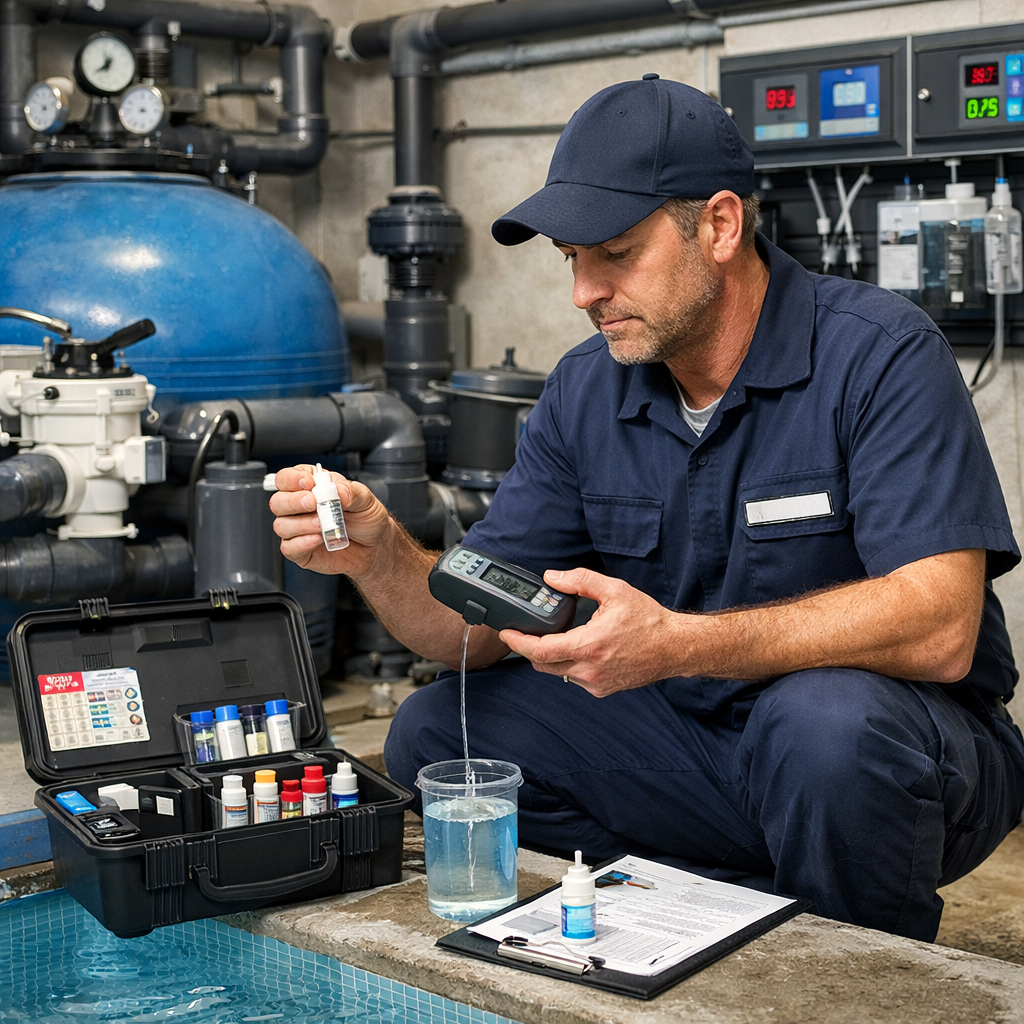
The legislative text also strengthens the monitoring of chemical products by integrating new approval procedures for biocidal substances. The National Health Security Agency now has more significant levers to regulate or remove treatment products from the market in case of public health concerns. In parallel daily water renewal requirements are confirmed with a minimum supply of thirty liters of fresh water per swimmer.
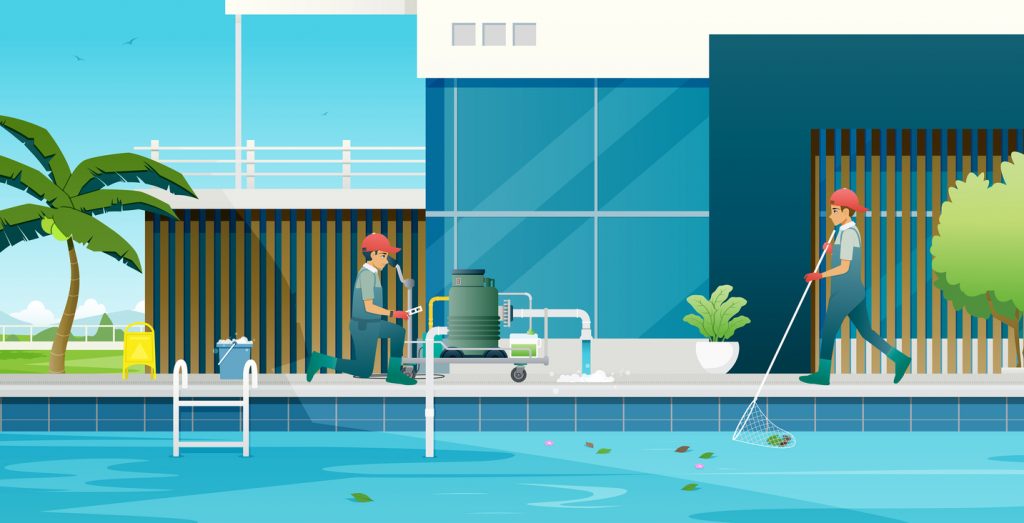
To meet these standards recycling and treatment facilities must now operate continuously during opening periods. These combined measures aim to ensure perfectly disinfected and clear water regardless of the facility’s attendance level.
Key Takeaways : 2026 Pool Sanitary Regulations (France)
- New sanitary safety obligations for public and collective swimming pools
- End of systematic annual drainage for large pools
- Stricter control and approval of water treatment products
- Reinforced requirements for daily water renewal and continuous treatment
- Higher hygiene standards for sensitive facilities (paddling pools, whirlpools, spas)
For swimming pool operators and facility managers, 2026 marks a major shift toward more sustainable, risk-based and closely monitored water management. These new sanitary safety regulations require adapting maintenance protocols, water renewal practices and product compliance checks.
Anticipating these changes now will help professionals avoid costly last-minute compliance issues, ensure the safety of users, and strengthen trust in public and collective swimming facilities.