The pool sector is facing a dual economic and environmental pressure. On one hand, the prices of raw materials and new equipment are rising steadily. On the other hand, consumers are becoming increasingly sensitive to eco-friendly approaches. In response to this dual reality, the second-hand and refurbished market is starting to attract certain professionals in the sector.
This emerging trend shakes up traditional sales habits. It offers an interesting alternative to meet the needs of new customer profiles.
Integrating refurbished products makes it possible to capture clients with tighter budgets. This market particularly concerns owners of secondary residences or managers of rental properties. These customers often look to optimize their maintenance costs without sacrificing quality.
By offering refurbished pumps, filters, or robots, the pool professional stands out from the competition. The business displays a modern image committed to the ecological transition. However, this commercial practice requires rigorous organization.
Technical and Logistical Challenges of Second-Hand Equipment
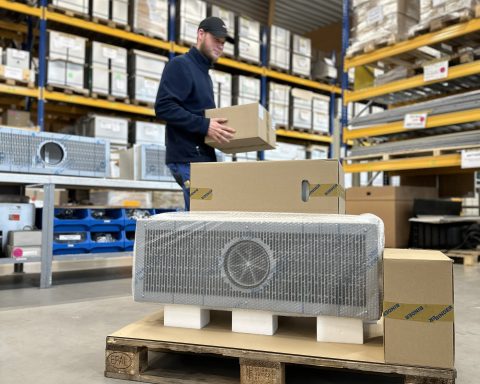
Setting up a refurbished offer requires specific technical skills in the workshop. The professional cannot simply resell used equipment as it is. Each device must follow a strict process of diagnosis, cleaning, and repair. It is essential to test the performance of the equipment before putting it back on the market. This process requires qualified labor time and a stock of original spare parts.
To simplify this logistics, some manufacturers are beginning to offer their own refurbishment channels. Pool professionals can then directly purchase equipment certified by the brand. This solution reduces the workload of the artisan but also reduces their profit margin. Sourcing remains the main bottleneck of this rapidly developing business model. The professional must indeed find regular sources of used equipment to supply their second-hand stock.

Legal Framework and Warranty Management
The choice to sell refurbished equipment involves significant legal responsibilities for the installer. The law imposes strict obligations regarding the warranty of second-hand products. The pool professional becomes legally responsible for conformity defects in the equipment sold.
The duration of this legal warranty varies depending on the origin of the product and its refurbishment status. It is therefore crucial to properly draft the general terms and conditions of sale to avoid disputes.
Professionals selling refurbished or second-hand pool equipment should also stay informed about consumer protection rules. The European Union provides detailed guidance on legal guarantees for second-hand goods, helping businesses understand their obligations and reduce legal risks.
Furthermore, the professional liability insurance of the pool builder can be triggered in the event of an incident related to a second-hand device. A defective pump can cause major water damage or electrical issues at the client’s home.
The company’s insurer must be informed of this resale activity to adapt the coverage contract. Despite these legal constraints, the refurbished market represents a growth lever for the future. Professionals who master this legal framework secure a major competitive advantage for the coming years.